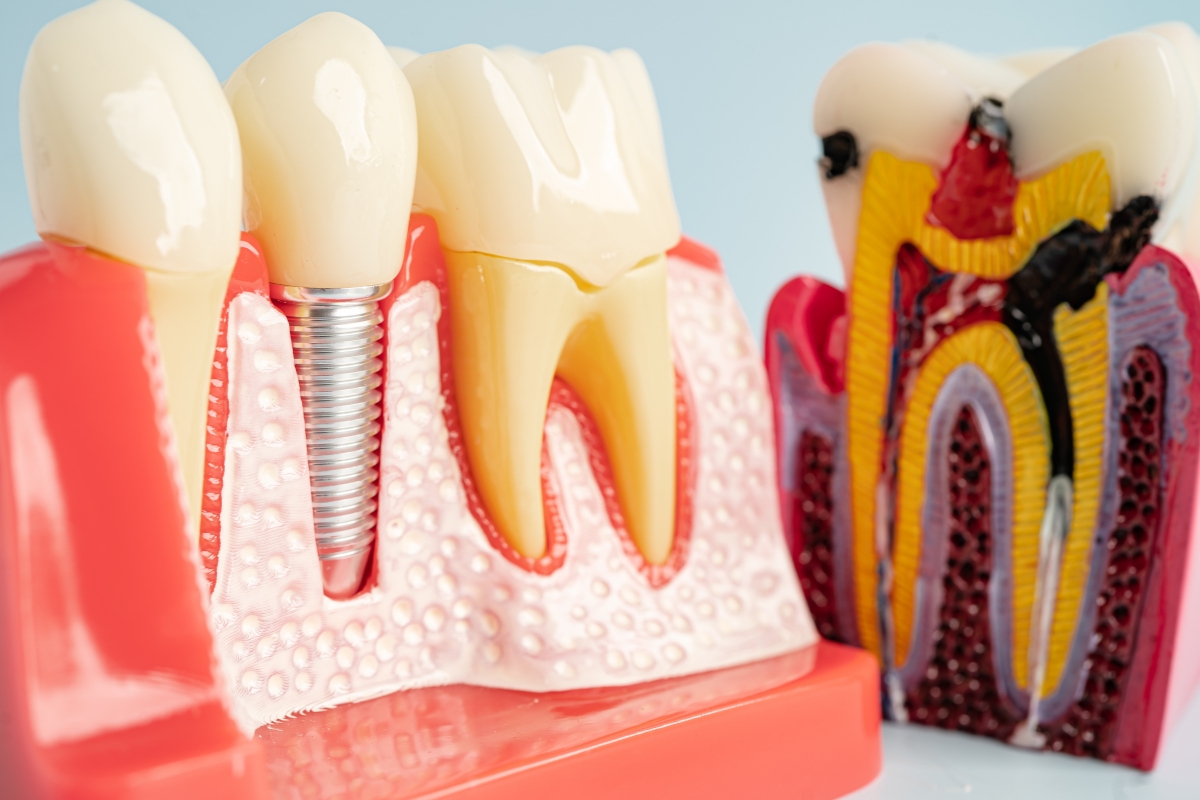

Dental fixtures or implants offer a transformative solution for individuals with missing teeth. They have become a gold standard in restorative dentistry, providing a natural-looking and long-lasting replacement for toothless patients.
Dental implants are available in various types, and dentists often recommend a minimum age to enjoy all benefits. Besides, there are essential aftercare instructions that you must know before opting for these oral appliances.
Whether considering fixtures for yourself or seeking knowledge on this popular dental procedure, reading this post will enlighten you with valuable information. So, don’t skip any line to make informed decisions about your oral health.
What are Dental Implants?
Fixtures or implants are advanced restorative dental devices designed to replace one or more missing teeth. They consist of titanium or ceramic posts surgically placed into the jawbone, serving as artificial tooth roots. Once the dental implants are securely integrated with the bone through osseointegration, they provide a stable foundation for attaching custom-made prosthetic teeth, such as crowns, bridges, or dentures.
Implants restore the appearance of a natural smile and offer functional benefits. They allow individuals to bite, chew, and speak confidently, mimicking natural teeth performance.
Common Types of Dental Implants
Usually, dentists recommend the following implant types. So let’s discuss them in detail.
Endosteal Implants
The most common type of dental implant, endosteal implants, are surgically placed directly into the jawbone. They consist of titanium posts that fuse with the bone, providing a stable base for the replacement tooth or bridge.
Subperiosteal Implants
Suitable for patients with insufficient bone height, subperiosteal implants are placed on or above the jawbone but below the gum tissue. Here, a metal framework supports the prosthetic tooth or teeth, making them a viable option for those who cannot undergo bone augmentation procedures.
All-on-4 Implants
These implants offer a comprehensive solution for individuals who require full-arch teeth replacement. This innovative approach utilizes four strategically placed implants to support an entire set of upper or lower teeth. All-on-4 implants provide exceptional stability and functionality while minimizing the need for extensive implant placement.
Is There Any Minimum Age for Implant Placement?
The suitability of dental fixtures depends on various factors, including the patient’s age. While there is no fixed minimum age for dental implants, the jawbone’s development plays a crucial role.
The jawbone needs to reach its full growth potential before undergoing implant placement. Typically, this occurs around the late teenage years or early adulthood. However, each case is unique, and a thorough evaluation by a dental professional is necessary to determine if an individual is a suitable candidate for implants.
Top Benefits of Dental Implants
You can choose fixtures for numerous reasons. Here are a few of them.
Restored Functionality: Implants function like natural teeth, allowing individuals to bite, chew, and speak confidently. They provide stability and eliminate discomfort often associated with removable dentures.
Enhanced Aesthetics: Dental fixtures closely resemble natural teeth, enhancing the appearance of the smile and restoring facial contours. They blend seamlessly with existing teeth, providing a natural and attractive result.
Improved Oral Health: Unlike traditional dental bridges, implants do not require altering adjacent teeth. Hence, preserving natural tooth structure improves oral health in the long run.
Aftercare Instructions for Dental Implant Treatment
Proper aftercare is essential to ensure the success and longevity of implants. Here are some crucial instructions to follow:
- Brush and floss regularly to keep the implant area clean and free from plaque buildup
- Use a soft-bristled toothbrush and non-abrasive toothpaste
- Schedule routine dental visits to monitor the health of your implants and surrounding oral tissues
- Avoid smoking, chewing on hard objects, or biting into tough foods
- Consume a balanced diet rich in nutrients to support overall oral health
- Avoid excessive consumption of sugary foods and beverages that can contribute to dental problems
With their long-lasting durability and ability to preserve the integrity of surrounding teeth and bone, implants have become a popular and effective solution for individuals. Going through different types of dental implants, minimum age requirements, and benefits covered here will help you take an active role in your dental care journey.
Remember, successful implant outcomes rely on diligent aftercare. However, don’t hesitate to consult a dental professional to assess your suitability for implants and embark on a beautiful, functional smile that lasts a lifetime.