Oral Cancer Screening
In Richmond, TX
Early Detection With Oral Cancer Screening
We are committed to providing comprehensive dental care for you and your family at Inspire Smiles. We want you to be informed and proactive about your oral health, so we encourage our patients to take advantage of our Oral Cancer Screening service. Our team will consult with you and provide a detailed review of the best action for detecting any abnormalities before they become serious. Visit our dental office in Richmond, TX, today and learn more about the procedure.
An examination to check for oral cancer is known as an oral cancer screening. Oral malignancies include cancers of the mouth, jaw, and tongue.
During an oral cancer screening, the following areas are checked:
- Cheek lining
- Floor and roof of your mouth
- Gums
- Lips
- Tongue
- Tonsils
Why Are Screenings for Oral Cancer So Crucial?
A general head and neck cancer that affects people all around the world is oral cancer. Oral cancer is an easy state to diagnose. Yet, because oral cancer is frequently discovered too late in its development, mortality rates are high. The finest tool available for early diagnosis and treatment of oral cancer is oral cancer screening.
What Can I Expect From Oral Cancer Screening?
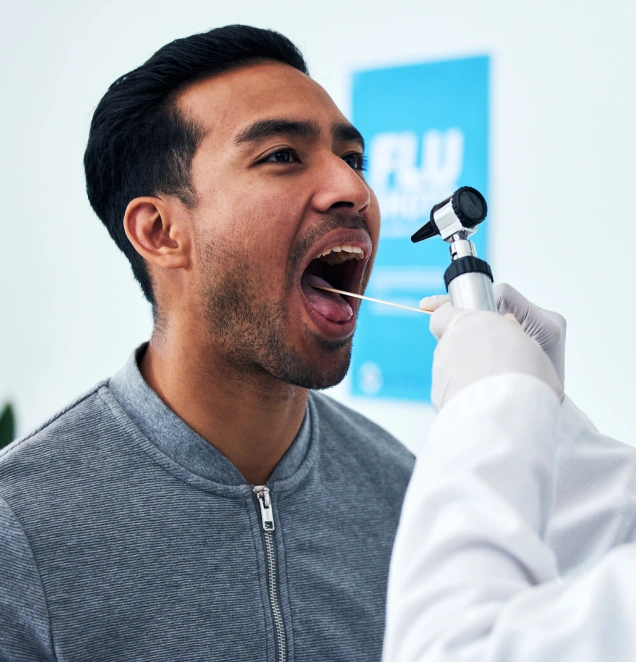
Your dentist may use a visual examination, palpation, oral screening dyes, and lights as oral cancer screening techniques. To monitor any strange locations, they could also take pictures of them. Screenings typically last under five minutes.
Visual Exam
Your dentist will search for lesions (areas of abnormal tissue) in your mouth and throat during this part of the examination. These abnormalities may include erythroplakia and leukoplakia, which are dense white spots (abnormally red areas).
Palpation
Richmond dentist will palpate your face, neck, and jaw with their fingertips to check for lumps or bumps. If there are any sore or unpleasant areas on your body, let them know.
Oral Cancer Screening Dye
To detect oral cancer, many medical professionals employ screening methods like toluidine blue dye. The dye will be applied to any lesions, which can help pinpoint areas that are likely to develop cancer.
Oral Cancer Screening Light
There are specialized lamps that can be used to spot abnormal tissues in your mouth. Your dentist will instruct you to use a fluorescent mouthwash before using this device. Then they'll flash a special light into your mouth, which makes healthy tissue appear dark and normal tissue appears white.
When Should I Find Out the Outcomes?
Following your oral cancer screening, your dentist can discuss their findings with you. The turnaround time for additional testing, such as a biopsy, is usually three to five days.

After the Oral Cancer Screening, What Happens?
Screenings, as was previously indicated, search for cancerous indicators. To receive a formal diagnosis, however, you will require more tests. Your dentist will discuss the results with you after the oral cancer screening. Your dentist will refer you to a specialist for additional evaluation if the screening results show that cancer may be present.