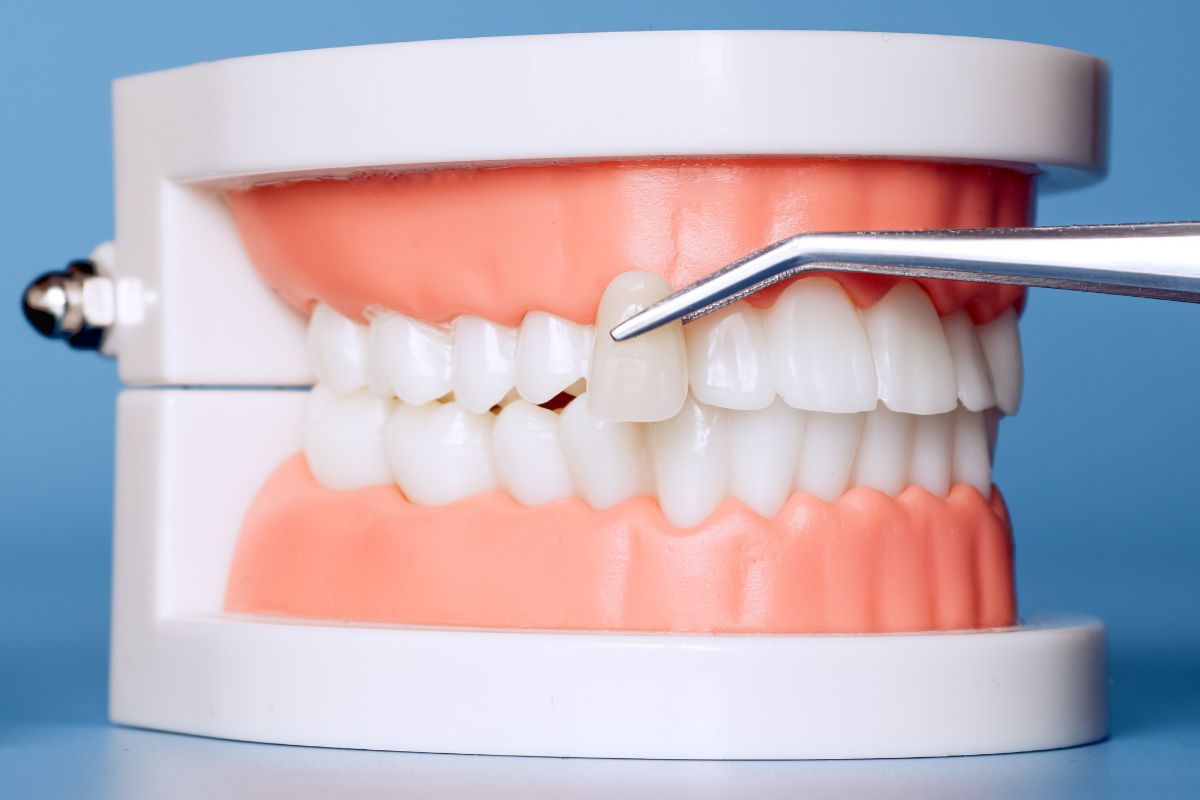
Cosmetic dentistry has changed how people view smile makeover services. Gone were the days when only veneers and tooth whitening were the primary services. Modern services combine art and science, using sophisticated tools, imaging, tooth-colored materials, and various other techniques to achieve a naturally youthful smile.
Perhaps you have strolled through Carytown’s colorful facades or enjoyed a Sunday jaunt through Maymont Park and wondered how confident that smile was. Remember, many smile makeovers are made possible through modern cosmetic dental work. Consulting with a cosmetic dentist is an integral step in helping patients explore their personal dental solutions. This blog will help you understand what goes on behind the scenes in various cosmetic procedures and how they work, from material composition to computer-aided design.
Why Cosmetic Dentistry Works So Well Today?
Every smile makeover requires the expert consideration of facial shape, dental color, biting quality, gum shape, and even the reflection of light off dental enamel. There are three solid foundations upon which the whole field of cosmetic dentistry has been erected:
- Dental materials imitate natural enamel
- Computerized systems for accurate tooth modeling and treatment planning
- Minimally invasive methods aimed at conserving tooth structure.
The Science Behind Popular Cosmetic Dental Procedures
Cosmetic dentistry is more than just boosting smiles; there is real science behind every smile makeover. Today’s materials and chemicals, combined with bioengineering, produce completely natural-looking smiles that last for years to come.
Each procedure employs its own set of principles for whitening enamel, reshaping teeth, filling areas where there is no longer any structure to support teeth, or substituting missing roots to function. Below is an explanation of exactly how there is real science for some of the more popular procedures for smile enhancement.
1. Teeth Whitening: Where Chemistry Meets Tooth Enamel
Teeth whitening requires hydrogen peroxide or carbamide peroxide gels that break down stains deep within the tooth enamel. When molecules of coffee, tea, red wine, and tobacco enter tooth pores, whitening agents chemically dissolve them.
Why it works:
- Active Agents: Agents that release oxygen. They cause oxidation of the molecules
- LED or Laser Devices: They speed up the whitening process
- Almost Non-Invasive: Enamel is left untouched while the shade is brightened
Patients generally visit cosmetic dentists in Richmond for whitening sessions before big events, graduation photos, engagement photos taken at Libby Hill Park, or holidays to spend time with friends.
2. Porcelain Veneers: Thin Shells with Major
Veneers are fragile layers of porcelain bonded to the front of teeth. This porcelain is made microscopically to mirror light like natural enamel. Smile software allows simulation of how veneers can be designed based on facial proportions, lip line, and tooth symmetry.
Benefits of porcelain veneers:
- Their translucency is like that of real teeth
- Natural translucency makes
- Durable ceramic can withstand stain-related discolorations from most foods
- The use of minimal tooth reduction keeps smiles looking healthy
They can be considered a new outer layer of confidence, popular among professionals in downtown areas and locals with upcoming special events.
3. Dental Bonding: Quick Fix Powered by Resin Science
This procedure uses composite resin, a combination of plastic compounds and glass particles. Using shade-matching technology, the dentist will carve directly onto your tooth with this material to mend a chipped tooth, close spaces, or alter its shape. It takes seconds for a light to harden the material. Reasons why it’s loved:
- Results can be seen in one sitting
- Quick, painless, and non-invasive
- Suited to minor cosmetic repairs
- Prevents tooth discoloration
The treatment is ideal for someone going for an interview in Short Pump or taking pictures with their loved ones in Belle Isle.
4. Clear Aligners: Moving Teeth with Gentle Force
Clear aligners work to move teeth to correct alignment using constant micro-pressure. The aligners consist of a series of digitally designed trays. The patients change them every couple of weeks, and in this way, the teeth move. Here’s how the science works:
- Aligners transmit a controlled force to the periodontal ligament.
- Bone remodeling takes place, which helps teeth shift positions
- 3D Scans: No guesswork in planning
They are popular because they integrate into daily life, whether it’s an outing for brunch at Broad Street or speaking during a work meeting.
5. Dental Implants: Biology + Biomechanics
Dental implants use titanium rods that are implanted into the jaw. Titanium naturally bonds to bone through osseointegration. Scientific advantages:
- Titanium integrates with bone like a natural tooth root.
- Prevents bone loss after extractions
- It looks, feels, and acts like a natural tooth
For anyone who may have lost a tooth from mountain biking at Pocahontas State Park, dental implants can bring confidence.
How to Identify Which Treatment is For You?
To determine what kind of dental treatment you require before seeing a cosmetic dentist in Richmond, you can check for these symptoms:
- If the teeth are chipped, irregularly shaped, or spaced apart → Veneers/Bonding
- If teeth are yellow or stained → Whitening
- If alignment is the issue → Clear aligners
- If replacing a missing tooth → Dental implants
- Enamel appears worn or too small → Veneers or bonding
A Look Into Modern Tools Used in Cosmetic Dentistry
Modern cosmetic dentistry is no longer guesswork; today, it is a scientific, measurable, and refined process, combining art and engineering. Specific advanced instruments utilized in the treatment are:
- Intraoral Cameras: Provide high-resolution pictures of each of our teeth
- Digital Scanners: substitute messy impressions
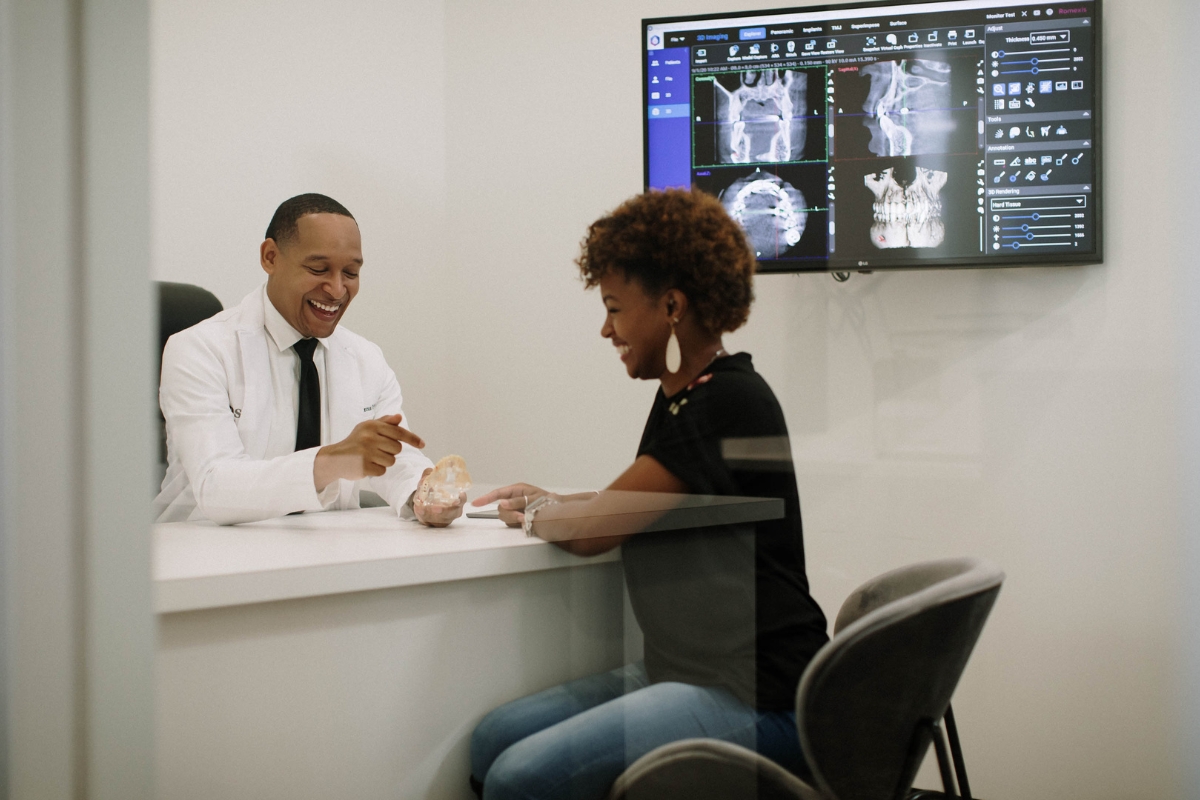
- CAD/CAM systems: Able to design crowns and veneers very accurately
- Laser Tools: Correct gumlines gently
- Shade-guides and Spectrophotometers: provide perfect color matching
Richmond Lifestyle & Smile Confidence
In a city known for music festivals, outdoor patios, and public events, maintaining a healthy smile should be a priority. Whether it’s a Flying Squirrels baseball game, a visit with friends in The Fan, or a wedding held in The Jefferson Hotel, a smile plays a significant part in these occasions.
Many locals turn to cosmetic enhancements for reasons that have nothing to do with vanity, but rather with being comfortable with self-expression. A cosmetic dentist in Richmond can offer smile solutions that harmonize with your lifestyle.
Ready For A Smile Upgrade?
Are you looking for a cosmetic dentist near you? You may have considered whitening your teeth or filling spaces between them for a special occasion. This would be an excellent opportunity to begin.
Cosmetic dentistry combines science, art, and technology to help you feel more confident every day. Your journey begins with a simple chat. Contact us at Inspire Smiles today to schedule an appointment and take the first step towards your best smile.
FAQs
1. Does cosmetic dentistry hurt?
Most cosmetic treatments are designed to be comfortable. Whitening may cause mild temporary sensitivity, while veneers or bonding involve minimal preparation. Dentists often use numbing or gentle techniques when needed. Most people return to routine activities the same day and experience only minor tenderness, if any, during recovery.
2. How long do cosmetic results last?
The lifespan depends on the treatment and home care. Whitening results can last months to years with good habits, while veneers and implants last significantly longer with proper hygiene. Regular dental visits, avoiding excessive staining drinks, and maintaining oral health help extend the longevity of your cosmetic results.
3. Are cosmetic procedures only for appearance?
No. Many cosmetic treatments also support oral function and long-term health. Straightening teeth improves bite comfort, veneers reinforce weakened enamel, and implants protect the jawbone. A beautiful smile is the outcome, but improved chewing, speech, and confidence are equally meaningful benefits patients often appreciate after treatment.
4. Will my teeth look artificial after treatment?
Modern materials are engineered to mimic natural enamel, with realistic translucency and shade-matching technology. When done correctly, cosmetic enhancements blend seamlessly with surrounding teeth. Most patients find the results subtle yet noticeable, allowing them to smile confidently without worrying that anyone will detect their dental work.
5. How long does a smile makeover take?
Treatment time varies by procedure. Whitening may take a single visit, bonding is often completed in a single appointment, while veneers or aligners require multiple visits over weeks or months. Dentists customize timelines based on goals, ensuring optimal results without rushing the planning or design process.
6. Is cosmetic dentistry safe for sensitive teeth?
Yes, cosmetic care is safe when appropriately planned. Dentists evaluate sensitivity levels, enamel thickness, and gum health before treatment. Many whitening formulas include desensitizers, and bonding or veneers can even protect worn enamel. Patients often experience improved comfort after treatment when underlying issues are addressed.
7. What’s the first step if I want to improve my smile?
The best starting point is a consultation in which your dentist reviews your oral health, listens to your goals, examines your tooth structure, and suggests suitable treatments. Together, you will explore options such as whitening, veneers, implants, or alignment to build a personalized plan that fits your vision and budget.