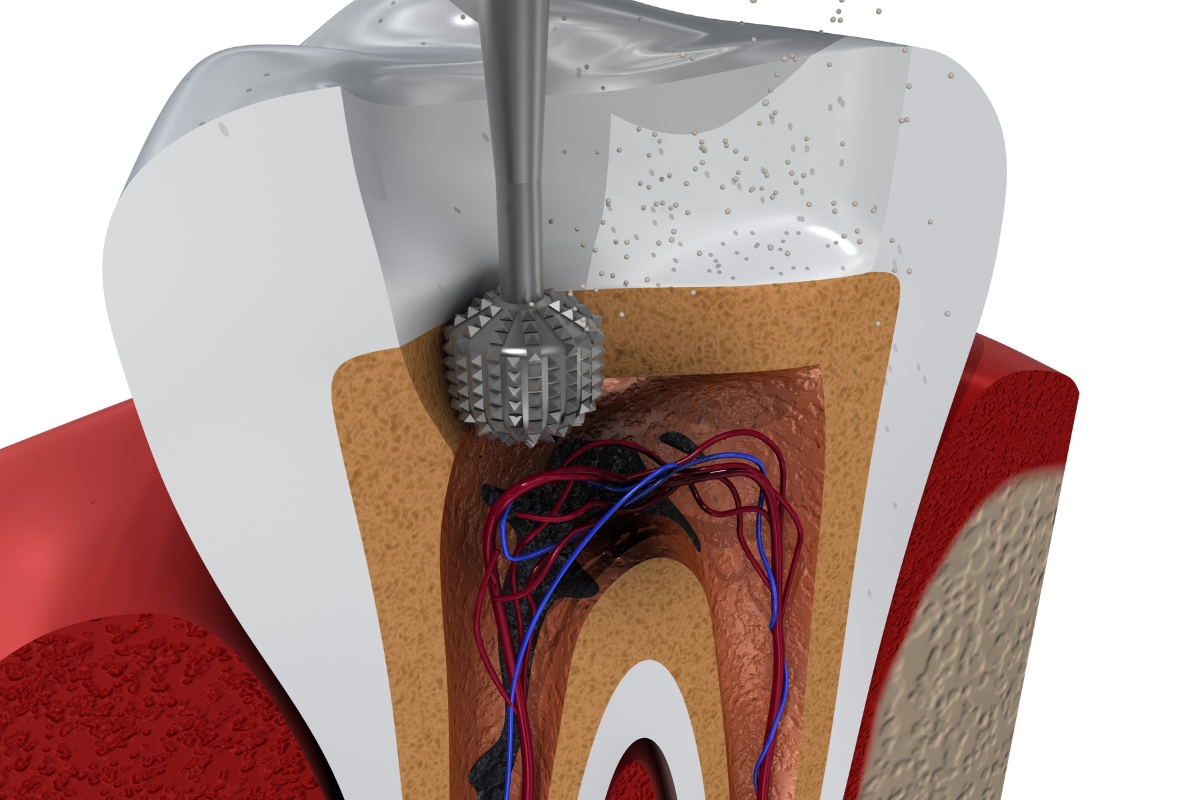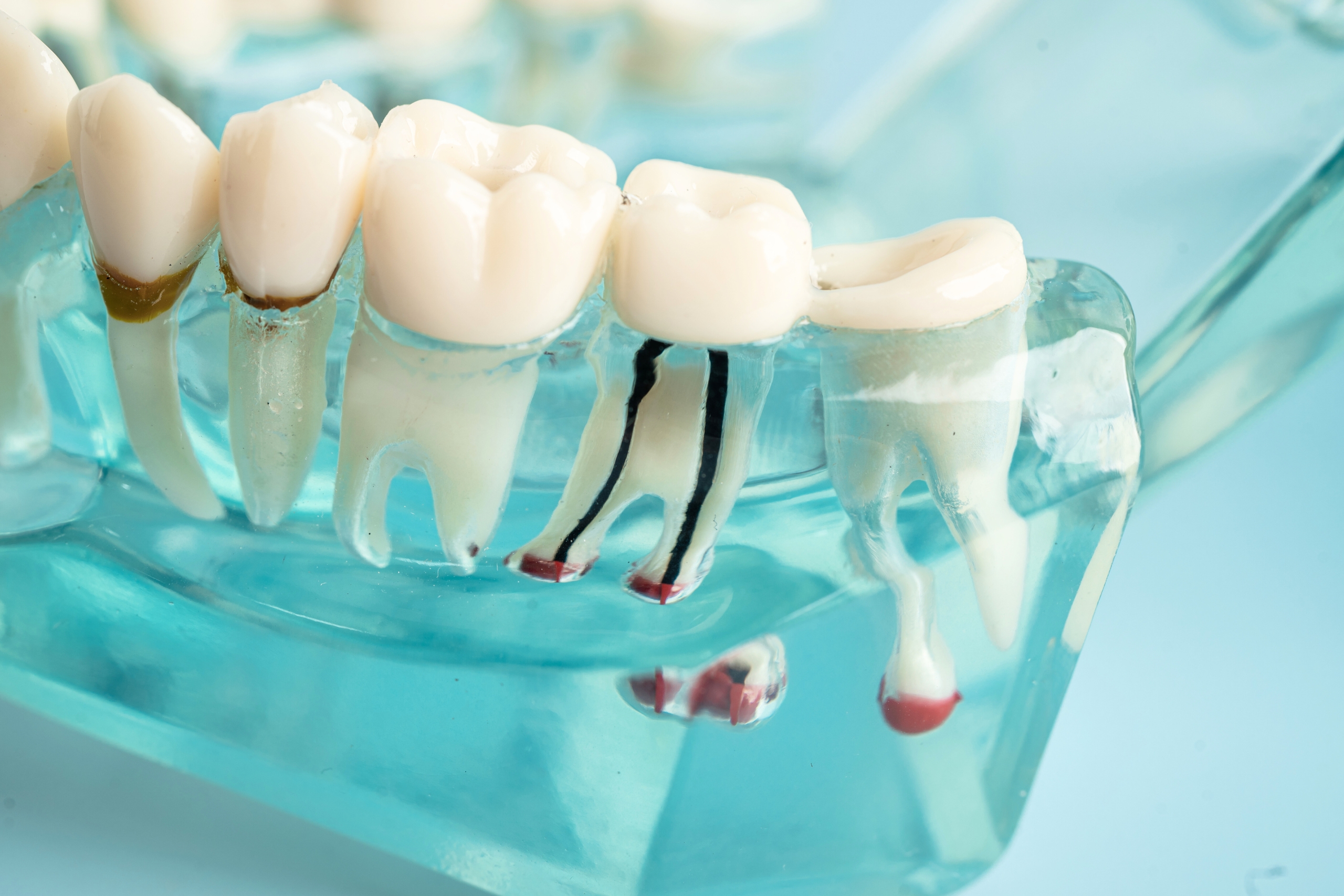

Imagine a world where root canal treatment is not only more efficient but also more comfortable. Welcome to the cutting-edge dental technology: ultrasonic cleaning.
This innovative method is transforming root canal procedures, making them less daunting and more effective than ever before. Ultrasonic cleaning harnesses the power of sound waves to achieve a level of precision that was once unimaginable, all while reducing discomfort and improving results.
In this blog, we’ll dive into how ultrasonic cleaning works, its advantages over traditional methods, and what you can expect during your procedure. Whether you’re a patient seeking the latest in dental care or a dental professional exploring advanced techniques, you’ll find valuable insights here.
Read on as we explore how this breakthrough technology is reshaping root canal therapy and setting new standards for dental care.
The Science Behind Ultrasonic Cleaning
Ultrasonic cleaning is more than just a buzzword in modern dentistry; it’s a game-changer. This technology uses high-frequency sound waves to enhance cleaning and disinfection. Here’s a closer look at how it works:
- How It Operates: Ultrasonic devices emit high-frequency sound waves that create microscopic bubbles in the cleaning solution. When these bubbles collapse, they generate tiny shockwaves that dislodge debris and contaminants from the tooth’s root canal system.
- Science of Application: In root canal treatments, ultrasonic cleaning helps reach and clean intricate canal structures that are difficult to access with traditional methods. This approach ensures a more thorough cleaning, which is crucial for successful endodontic therapy.
This method combines precision with effectiveness, making it a powerful tool in endodontics.
Why Ultrasonic Cleaning is a Game-Changer for Root Canal Treatment?
Ultrasonic cleaning isn’t just a technological upgrade; it fundamentally improves root canal procedures. Here’s why it’s revolutionizing the field:
- Superior Cleaning Efficiency: The high-frequency sound waves can remove debris from areas that traditional instruments often miss, leading to a more thorough cleaning of the root canal system.
- Lower Infection Risks: By achieving a more complete cleaning, ultrasonic methods help reduce the likelihood of residual bacteria, lowering the risk of post-treatment infections.
- Enhanced Comfort: The ultrasonic process can be less invasive and more comfortable for patients compared to traditional methods, thanks to its precision and effectiveness.
This technology offers significant benefits, enhancing both the procedural outcomes and patient experience.
Ultrasonic Cleaning vs. Traditional Root Canal Techniques
When comparing ultrasonic cleaning to traditional root canal methods, several key differences emerge. Here’s how ultrasonic technology measures up:
- Limitations of Conventional Methods: Traditional techniques often struggle with cleaning complex canal systems thoroughly. Manual and rotary instruments can miss debris in curved or narrow canals, leading to incomplete cleaning.
- Advantages of Ultrasonic Cleaning: Ultrasonic devices reach areas that conventional methods might miss, offering a more comprehensive cleaning. The sound waves dislodge debris from canal walls and reach intricate spaces, which enhances the overall effectiveness of the root canal treatment.
What to Expect During an Ultrasonic Cleaning Procedure?
Understanding what happens during an ultrasonic cleaning procedure can help ease any anxieties. Here’s a detailed breakdown:
- Initial Setup: Your dentist will use a specialized ultrasonic instrument, which is usually fitted with a small, vibrating tip. This tip is placed into the root canal.
- The Cleaning Process: As the device emits high-frequency sound waves, it creates vibrations that clean the canal walls and dislodge debris. The ultrasonic waves also help to irrigate the canal with a disinfectant solution.
- Final Steps: After cleaning, the dentist will ensure that the canal is completely free of debris and properly sealed. The entire process is designed to be precise and effective, enhancing the success of the treatment.
The Future of Ultrasonic Cleaning in Endodontics
Ultrasonic cleaning technology continues to evolve, promising even greater advancements in endodontics. Here’s a glimpse into the future:
- Latest Trends: Recent developments include the integration of ultrasonic technology with 3D imaging, improving the precision of root canal treatments even further. Innovations aim to enhance the effectiveness of cleaning and disinfection.
- Future Prospects: Ongoing research is focused on refining ultrasonic devices and exploring new materials for even more effective treatments. These advancements are set to improve outcomes and patient experiences in root canal therapy.
Ultrasonic cleaning is reshaping the landscape of root canal therapy with its cutting-edge technology. By offering superior cleaning, reduced infection risks, and enhanced patient comfort, it sets a new standard in endodontics. As this technology continues to advance, it promises even more innovative solutions for dental care. Embracing ultrasonic cleaning means stepping into a future where root canal procedures are more precise, effective, and patient-friendly than ever before.