Are you tired of hearing your dentist go on and on about dental sealants? Or maybe you’ve never even heard of them before. Either way, it’s time to dive into the world of dental sealants and answer the question: are they really necessary? I’m here to provide all the information you need to make an informed decision about whether or not dental sealants are right for you. From cost to application process to longevity, we’ll cover it all in this comprehensive guide. So sit back, relax, and get ready to learn everything there is to know about dental sealants!
What are dental sealants?
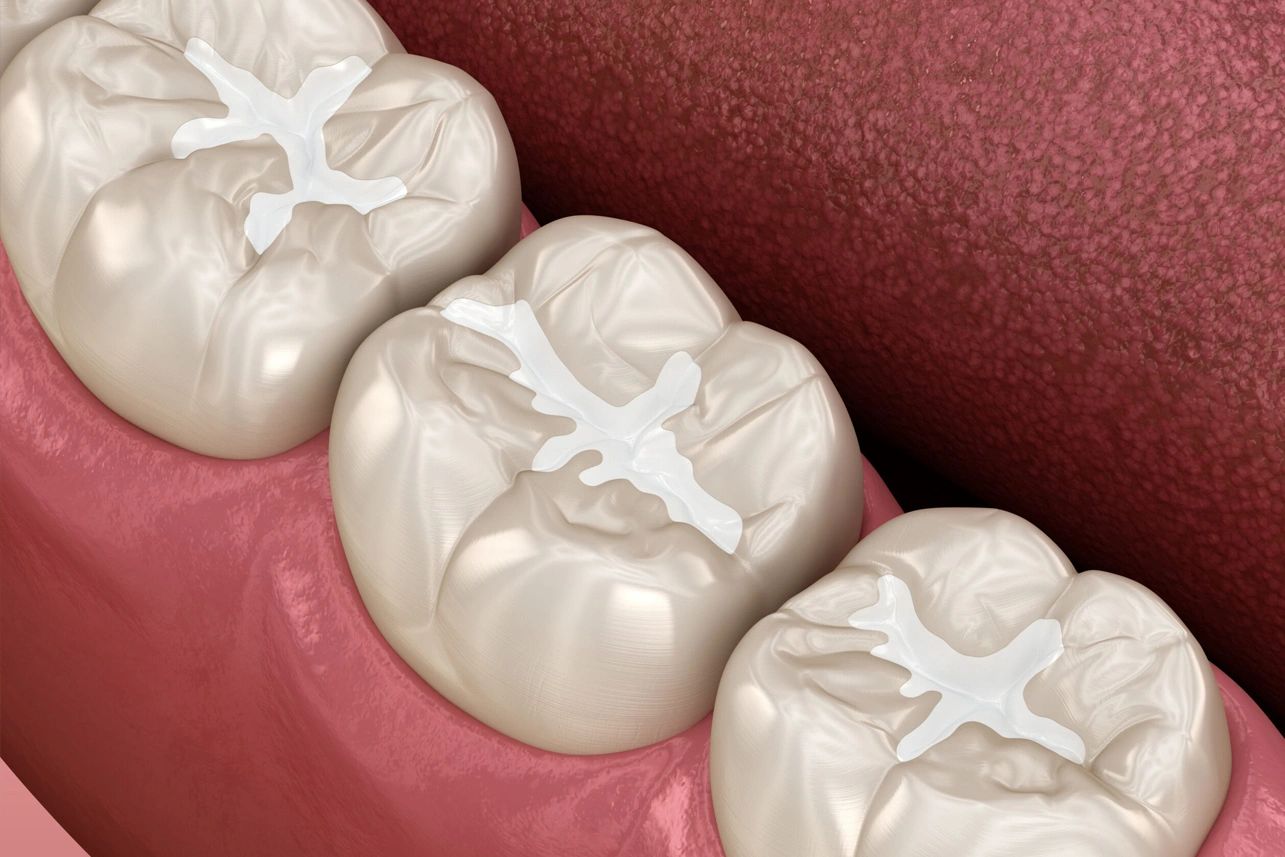
- Dental sealants are a preventive dental treatment that can help protect your teeth from cavities. They’re made of a thin plastic material and are applied to the chewing surfaces of your back teeth, where most cavities tend to occur.
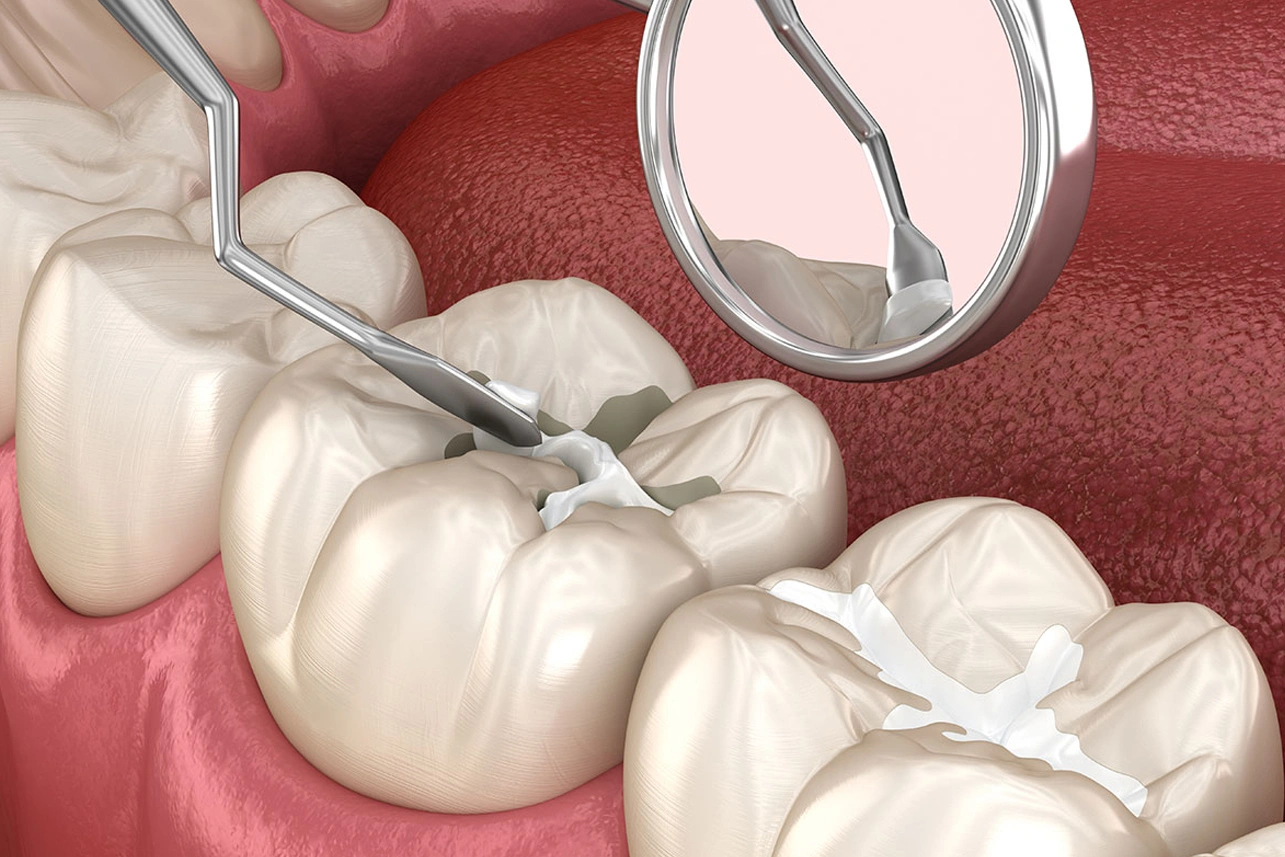
- The process of getting dental sealants is quick and painless. First, your dentist will thoroughly clean and dry your teeth. Then, they’ll apply an acidic gel to the surface of each tooth to create a rougher texture that helps the sealant adhere better. After rinsing off the gel and drying your teeth again, the sealant will be painted onto each tooth and hardened with a special light.
- Once in place, dental sealants act as a barrier between food particles and bacteria on your teeth’s surface, preventing decay from forming. While they’re commonly used for children’s permanent molars soon after they come in (around age 6), adults can also benefit from them if their back teeth don’t have existing fillings or decay.
- Dental sealants provide an added layer of protection against cavities that can save you time, money, and discomfort down the road – making them well worth considering for anyone looking to maintain good oral health!
The benefits of dental sealants
- Dental sealants are a preventive measure used to protect the teeth from decay. They are thin plastic coatings applied to the chewing surfaces of molars and premolars, where tooth decay is most likely to occur. One of the main benefits of dental sealants is that they provide an effective barrier against bacteria and food particles that can cause cavities.
- Dental sealants have been shown to be highly effective in preventing tooth decay. According to studies, children who receive dental sealants are less likely to develop cavities than those who do not. In fact, research has shown that dental sealants can reduce the risk of cavities by as much as 80%.
- Another benefit of dental sealants is their longevity. With proper care, dental sealants can last for up to 10 years before needing replacement or repair. This makes them a cost-effective way to prevent tooth decay over time.
- In addition, dental sealants are easy and painless to apply. The process involves cleaning and drying the teeth, applying an acidic gel for a few seconds (to help roughen up the surface), rinsing off the gel and then painting on the sealant material. The whole procedure takes only a few minutes per tooth.
- There are many benefits associated with using dental sealants as part of your oral hygiene routine. By providing an extra layer of protection against cavities, they can help keep your smile healthy and bright for years to come!
How much do dental sealants cost?
- One of the biggest concerns for anyone considering dental sealants is the cost. The good news is that dental sealants are a relatively affordable procedure, especially when compared to more extensive treatments like fillings or root canals.
- The exact cost of dental sealants varies depending on a few factors such as location and the dentist you choose. On average, however, you can expect to pay between $30 and $60 per tooth for this treatment.
- It’s worth noting that some insurance plans may cover all or part of the cost of dental sealants, particularly if they’re being applied to children who are at high risk for cavities.
- While it may seem tempting to skip getting dental sealants due to their cost, remember that investing in preventative measures like these now can save you money and discomfort down the road. Plus, protecting your teeth from decay by sealing them helps maintain your oral health in general which is very important over time!
How long do dental sealants last?
- Dental sealants are known to be a reliable way of preventing tooth decay, but how long can you expect them to last?
- Typically, dental sealants will last anywhere from 5-10 years before needing replacement. However, with proper care and maintenance, they can even last up to 15 years!
- The lifespan of your dental sealant is dependent on several factors such as the quality of the material used during application and the patient’s oral hygiene habits.
- It’s essential to maintain good oral hygiene practices by brushing twice a day and flossing daily. Regular visits to your dentist for cleanings and check-ups are also crucial in ensuring that your dental sealants remain intact.
- If you notice any chips or cracks in your dental sealants or experience pain while biting down on food, it is time to schedule an appointment with your dentist for evaluation.
- In summary, the longevity of dental sealants varies depending on individual factors; however, maintaining good oral health plays a critical role in prolonging their lifespan.
How are dental sealants applied?
- Dental sealants are a thin, plastic coating that is applied to the molars and premolars to protect them from decay. The application of dental sealants is a simple and painless process.
- Firstly, the teeth are thoroughly cleaned and dried before applying an acidic solution on the surface of each tooth. This solution roughens up the surface of the tooth enamel so that it can bond better with the sealant.
- Next, the teeth are rinsed and dried again before applying the sealant onto each tooth’s grooves using a small brush. The dentist or hygienist will then use a special blue light to harden or cure the sealant.
- Once all molars have been coated with dental sealants, your dentist will check your bite to ensure there is no interference between upper and lower teeth when biting down.
- It’s important to note that although dental sealants provide long-lasting protection against cavities, they need regular monitoring by your dentist during routine check-ups as they can wear off over time due to normal chewing forces.
- Getting dental sealants applied is quick and easy – taking only around 10-20 minutes per patient – making it an excellent investment in maintaining good oral health for many years!
Dental sealants are an effective and affordable way to protect your teeth from decay. They offer a simple solution to prevent cavities on the chewing surfaces of teeth, where toothbrush bristles often miss.
By applying dental sealants, you can ensure that your back molars remain healthy for longer periods of time without having to worry about frequent trips to the dentist. Although they may not be necessary for everyone, they are highly recommended as a preventive measure for children and adults who have deep grooves or pits in their teeth.
Dental sealants are painless and straightforward procedures that only take a few minutes to complete. The cost is relatively low compared to other dental treatments such as fillings, crowns or root canals.
If you’re interested in getting dental sealants, talk with your dentist first. Together you can determine if it’s the best option for you based on your individual needs and budget.
Dental sealants provide an extra layer of protection against tooth decay and can save you time and money in the long run by preventing more extensive oral health issues down the road. Don’t hesitate – ask your dentist about dental sealants today!