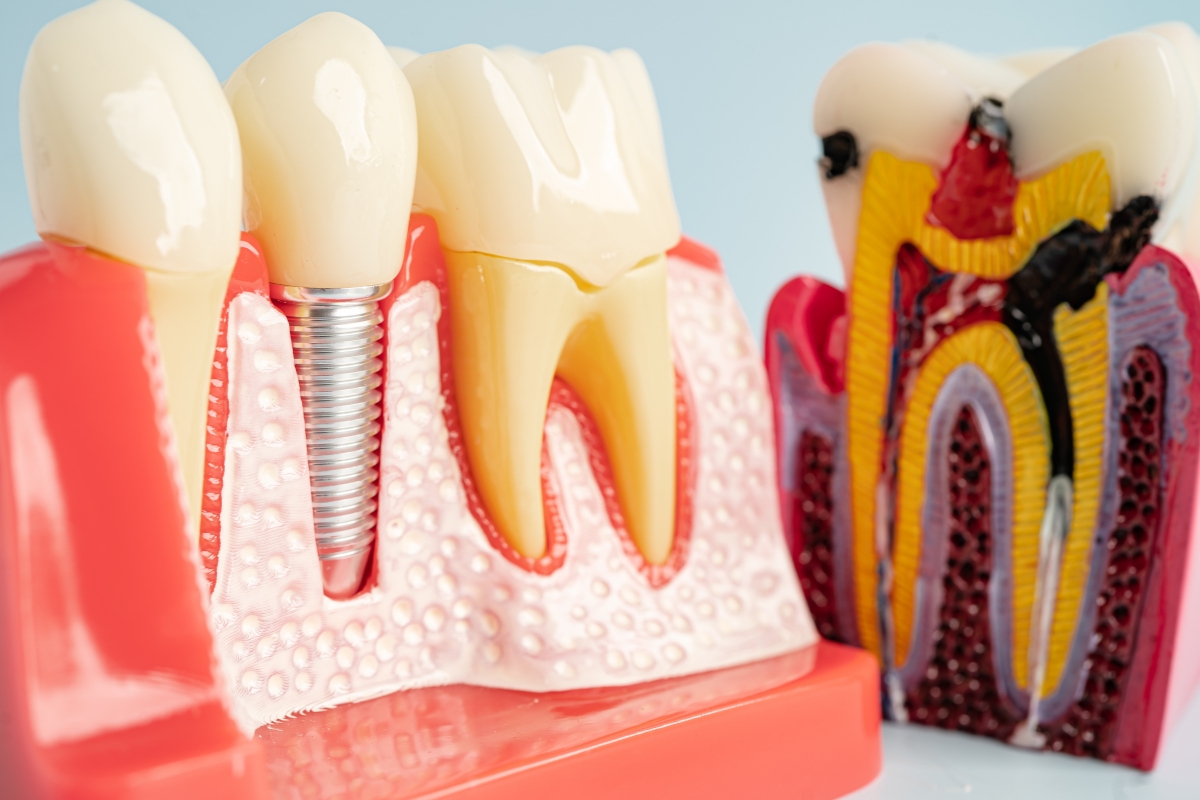

Do you experience a ringing or buzzing sound in your ears that just won’t go away? You may be suffering from tinnitus. Tinnitus is a common hearing condition that affects millions of people worldwide and can have various causes, including exposure to loud noises, age-related hearing loss, and head injuries. However, did you know that dental implants could also be a potential cause? In this blog post, we will explore the link between dental implants and tinnitus and discuss other risks associated with these popular tooth replacements. So let’s dive in!
What is tinnitus?
- Tinnitus is a hearing condition that causes a person to hear sounds that are not present in their external environment. These sounds can range from ringing, buzzing, whistling, hissing, or humming and can be experienced in one or both ears simultaneously. The severity of tinnitus varies from person to person. Some people may experience mild symptoms while others may find it difficult to perform daily activities due to the severity of their symptoms.
- Tinnitus can either be subjective or objective. Subjective tinnitus is when only the affected individual can hear the sound while objective tinnitus means that another person like a doctor could also perceive the sound with specialized equipment during examination.
- The vast majority of cases of tinnitus result from damage to the inner ear hair cells which convert sound waves into electrical signals sent through auditory nerves into your brain for interpretation as sound. Other factors such as age-related hearing loss, exposure to loud noises, head injuries and certain medications like aspirin and antibiotics have also been linked with causing tinnitus.
- It is important never ignore these signs but rather visit an audiologist who will diagnose whether you have this condition by conducting several tests including physical examinations and hearing tests on different frequencies using headphones
What causes tinnitus?
- Tinnitus is a condition that affects millions of people worldwide. It is characterized by hearing sounds such as ringing, buzzing, or hissing in the ears without any external source of sound. The causes of tinnitus can be varied and complex.
- One common cause of tinnitus is exposure to loud noise over a prolonged period. This could include attending loud concerts, working with heavy machinery without adequate hearing protection, or even using earphones at high volumes frequently.
- Other potential causes include ear infections, head trauma, and certain medications like aspirin or antibiotics when taken in large doses. Tinnitus may also occur due to underlying health conditions such as high blood pressure, thyroid problems or Meniere’s disease.
- Stress and anxiety are also known triggers for tinnitus symptoms. Additionally, smoking and excessive alcohol consumption have been linked to an increase in tinnitus cases.
- While there are several possible causes for this condition, it’s important to seek medical attention if you experience persistent symptoms of tinnitus as well as related issues like vertigo or dizziness. A thorough evaluation by a healthcare professional can help determine the underlying cause(s) and provide appropriate treatment options accordingly.
Can dental implants cause Tinnitus?
- Tinnitus is the sensation of hearing sounds that are not present in the external environment. It can manifest as ringing, buzzing, or hissing, and it can be temporary or chronic. While there are many causes of tinnitus, dental implants have been suggested as a possible risk factor.
- The theory behind this connection is that the placement of dental implants involves drilling into bone near sensitive nerves. This could potentially cause damage to these nerves and lead to tinnitus symptoms.
- However, research on this topic has been limited and inconclusive. Some studies have found no association between dental implants and tinnitus, while others have suggested a possible link.
- It’s important to note that even if there is a connection between dental implants and tinnitus, it would likely be rare. The vast majority of people who receive dental implant treatment do not experience any auditory symptoms.
- More research is needed to determine whether there truly is a causal relationship between dental implants and tinnitus. In the meantime, patients considering implant treatment should discuss any concerns with their dentist or healthcare provider.
Are there any other risks associated with dental implants?
- Dental implants have become a popular solution for those who have lost teeth due to injury, decay or other reasons. While dental implant procedures are generally safe and effective, there are some risks associated with them that patients should be aware of.
- One potential risk is infection, which can occur if the implant site isn’t properly cleaned or if the patient has a weakened immune system. Another risk is nerve damage, which could cause numbness or tingling in the surrounding areas of the mouth.
- In rare cases, an implant may fail to integrate with the jawbone properly, leading to discomfort and requiring additional surgery. It’s also important for patients who smoke to quit before undergoing a dental implant procedure, as smoking can interfere with proper healing.
- While there are some risks associated with dental implants as with any surgical procedure- they continue to be a reliable and successful option for restoring missing teeth. Patients should always discuss their specific concerns and medical history with their dentist before deciding on whether or not dental implants are right for them.
Dental implants are a highly effective and safe option for tooth replacement. While there is no conclusive evidence to suggest that dental implants can cause tinnitus, it’s important to discuss any concerns with your dentist or healthcare provider before undergoing the procedure.
It’s also essential to choose an experienced and reputable dentist who will take all necessary precautions during the implant placement process. By following proper aftercare instructions and attending regular check-ups, you can minimize the risk of complications and enjoy a healthy, functional smile for years to come.
Remember, taking care of your oral health is crucial not only for maintaining a beautiful smile but also for ensuring overall physical well-being. So don’t hesitate to schedule regular visits with your dentist and explore all available options when it comes to restoring missing teeth – including dental implants!