In 2024, the emphasis on preventive dentistry has reached new heights, with dental sealants playing a pivotal role in maintaining oral health. As an often underutilized preventive measure, dental sealants offer a simple yet highly effective way to protect your teeth, particularly for children and teenagers. This blog explores the benefits of dental sealants, shedding light on why they are essential for safeguarding your smile in the modern era.
Understanding the Sealants
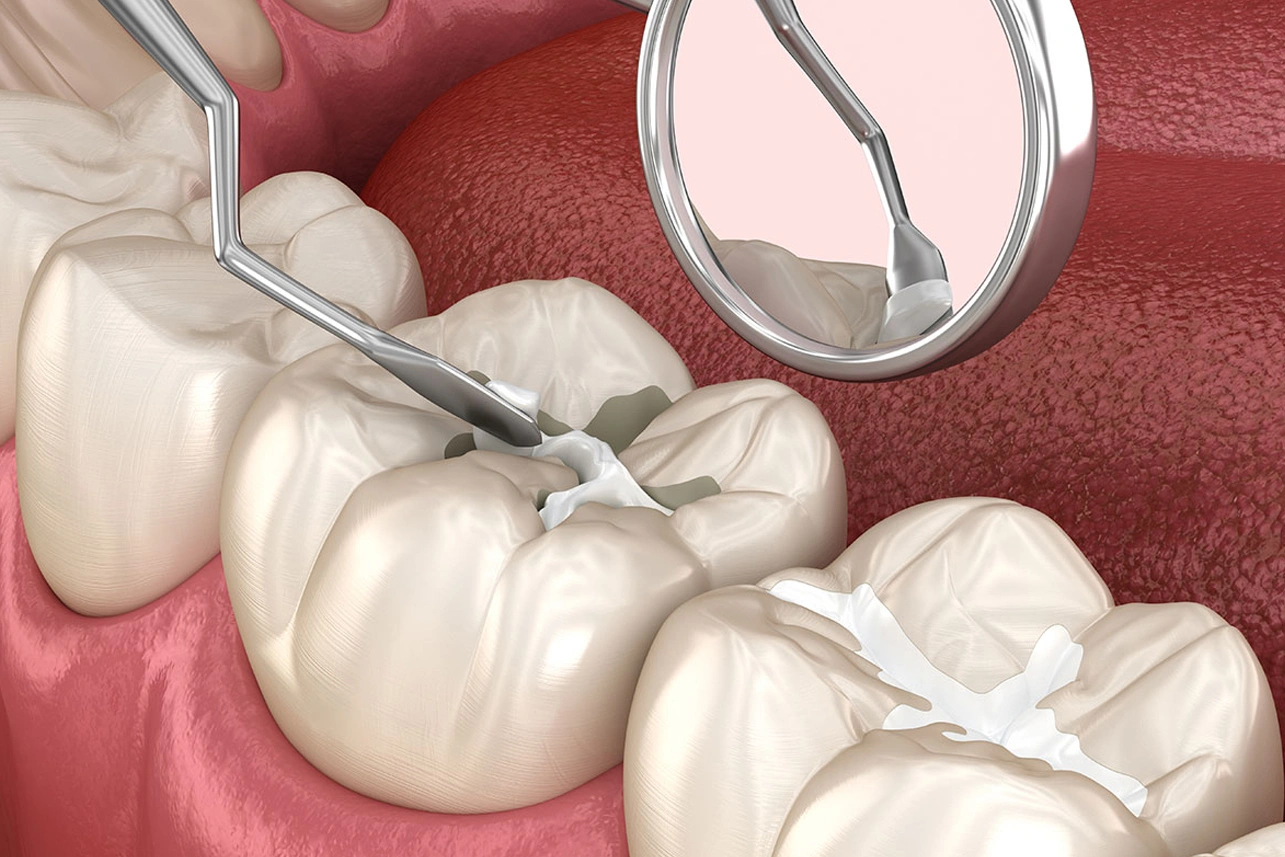
Dental sealants are thin, protective coatings applied to the chewing surfaces of the back teeth (molars and premolars). These surfaces are particularly prone to decay due to their deep grooves and pits, which can trap food particles and bacteria. Despite regular brushing and flossing, these areas can be difficult to clean thoroughly, making them susceptible to cavities. Sealants act as a barrier, preventing food and bacteria from settling into these grooves and causing decay.
The Science Behind Dental Sealants
The application of dental sealants involves a straightforward and painless procedure. First, the dentist thoroughly cleans the tooth surface to remove any debris or plaque. The tooth is then dried, and an acid solution is applied to roughen the surface slightly, which helps the sealant adhere better. After rinsing and drying the tooth again, the sealant material is painted onto the enamel and then hardened using a special light.
Sealants are typically made from plastic or other dental materials that bond effectively with tooth enamel. Once applied, they provide a smooth, protective layer over the tooth’s surface, sealing out plaque and food. The process is quick, usually taking only a few minutes per tooth, and does not require any drilling or removal of tooth structure.
The Benefits of Dental Sealants
- Prevention of Cavities: The primary benefit of dental sealants is their ability to prevent cavities. By covering the vulnerable chewing surfaces, sealants protect against decay-causing bacteria and acids. Studies have shown that sealants can reduce the risk of cavities in molars by nearly 80%, making them a highly effective preventive measure.
- Cost-Effective: Investing in dental sealants can save you money in the long run. Treating cavities can be costly, involving fillings, crowns, or even root canals in severe cases. By preventing cavities from forming in the first place, sealants help avoid these expensive treatments, making them a cost-effective option for maintaining oral health.
- Painless and Non-Invasive: The application of dental sealants is a painless and non-invasive procedure. Unlike other dental treatments that may require drilling or anesthesia, sealants are applied quickly and comfortably, making them an ideal option for children and individuals with dental anxiety.
- Long-Lasting Protection: Dental sealants provide long-lasting protection. While they are not permanent, sealants can last for several years before needing reapplication. Regular dental check-ups can help monitor the condition of the sealants and ensure they continue to provide effective protection against cavities.
- Promotes Overall Oral Health: By preventing cavities and maintaining healthy teeth, dental sealants contribute to overall oral health. Healthy teeth are essential for proper chewing, speaking, and maintaining the structure of your face. By protecting your molars, sealants help ensure that your teeth remain strong and functional.
Who Can Get Benefits from Dental Sealants?
People of all ages becomes beneficial from dental sealants. Although dentists recommends it particularly for children and teenagers. The American Dental Association (ADA) suggests that sealants be applied as soon as the first permanent molars (around age 6) and second permanent molars (around age 12) come in. These early applications can significantly reduce the risk of cavities during the critical years of tooth development.
However, adults without decay or fillings in their molars can also benefit from sealants. For those prone to cavities, sealants offer an added layer of protection that complements regular oral hygiene practices.
Dental Sealants and Advancements in 2024
In 2024, advancements in dental technology have further enhanced the efficacy and convenience of dental sealants. Improved materials and application techniques have made sealants more durable and effective than ever before. Here are some notable advancements:
- Enhanced Materials: Modern sealants are made from advanced materials that offer better adhesion and durability. These materials are also more resistant to wear and staining, ensuring that the sealants remain effective for longer periods.
- Fluoride-Releasing Sealants: Some of the latest sealants release fluoride over time, providing an additional layer of protection against decay. Fluoride helps strengthen tooth enamel and makes teeth more resistant to acid attacks from bacteria in the mouth.
- Digital Application Techniques: Digital technology has revolutionized the way of application of sealants. Dentists can now use digital scanners to create precise maps of the tooth surface. It ensures that they have applied the sealant evenly and effectively. This minimizes the risk of sealant failure and enhances the overall protection.
- Increased Awareness and Accessibility: Public awareness about the benefits of dental sealants has grown. Thanks to educational campaigns and advancements in dental care accessibility for this. More dental clinics and schools are incorporating sealant programs, making it easier for children and adults to receive this preventive treatment.
Maintaining Your Sealants and Oral Health
While dental sealants provide significant protection, maintaining good oral hygiene practices is essential. Here are some tips to ensure your sealants and teeth remain in top condition:
- Regular Dental Check-Ups: Visit your dentist regularly for check-ups and cleanings. Your dentist can monitor the condition of your sealants and reapply them if necessary.
- Proper Brushing and Flossing: Continue to brush your teeth twice a day with fluoride toothpaste and floss daily. While sealants protect the chewing surfaces, brushing and flossing help remove plaque and food particles from all tooth surfaces and between teeth.
- Healthy Diet: Maintain a balanced diet and limit sugary snacks and beverages. A healthy diet supports overall oral health and reduces the risk of cavities.
- Avoid Chewing Hard Objects: Avoid chewing on hard objects like ice or pens, as this can damage the sealants and your teeth.
Conclusion
In 2024, dental sealants remain a cornerstone of preventive dentistry, offering a simple, cost-effective, and highly effective way to protect your smile. With advancements in dental technology and increased awareness, more people are benefiting from the protective power of sealants.
Whether for children or adults, benefits of dental sealants provide long-lasting protection against cavities. Also, ensures that your teeth remain healthy and strong. By incorporating sealants into your oral health routine and maintaining regular dental check-ups, you can enjoy a brighter, healthier smile for years to come.