Do you wake up every morning with a sore jaw or headache? Do your teeth feel sensitive or worn down? If so, you may be grinding your teeth while you sleep. Teeth grinding, also known as bruxism, can cause serious and long-term damage to the structure of your teeth and jaw. Fortunately, there is a simple solution that could save you from costly dental procedures down the road: a nightguard. In this blog post, we’ll explore what nightguards are and how they can benefit those who suffer from teeth grinding.
What Is A Nightguard?
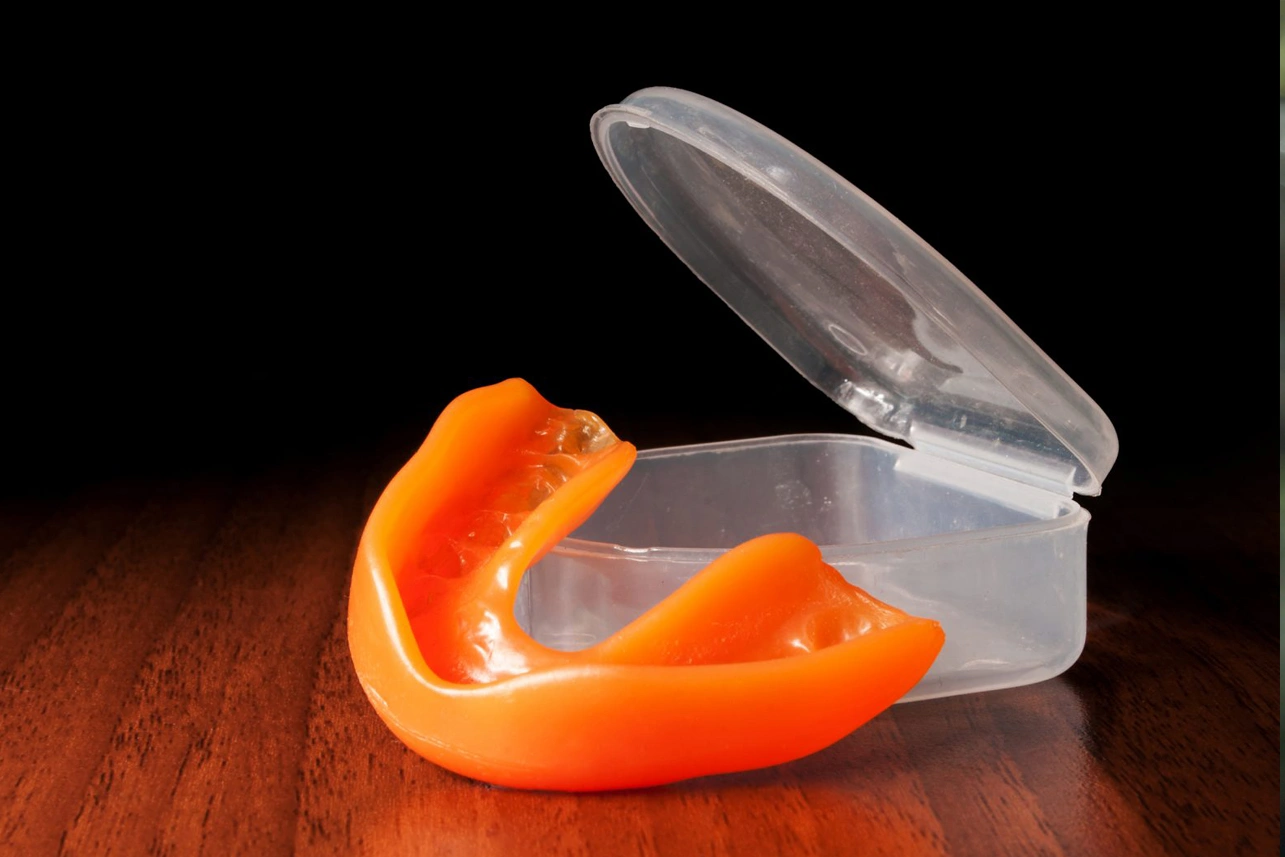
A nightguard is a dental device that is designed to protect teeth and prevent damage caused by grinding or clenching. It’s commonly known as a mouthguard or night guard, and it’s typically made of soft plastic material that fits over the upper or lower teeth.
- Nightguards work by cushioning the impact of grinding forces, which helps to reduce wear on your teeth and jaw muscles. They can also help alleviate symptoms such as headaches, jaw pain, and tooth sensitivity caused by bruxism (grinding).
- There are different types of nightguards available depending on your needs. Custom-fitted guards provide the best protection since they’re designed specifically for your mouth shape. Over-the-counter options may not fit as well but can be a more affordable alternative.
It’s important to note that while an occlusal guard can help protect your teeth from damage caused by grinding, it doesn’t address underlying causes of bruxism such as stress or sleep disorders. If you suspect you have bruxism, speak with your dentist who will evaluate if a nightguard is right for you.
Types Of Nightguards
There are three main types of nightguards that can be used to protect teeth from grinding and clenching: soft, hard, and dual laminate.
- Soft nightguards are made of a flexible material that molds to the shape of your teeth when heated in boiling water. They offer moderate protection and comfort but may not last as long as other types.
- Hard nightguards, on the other hand, are made of denser materials such as acrylic or plastic. They provide more durable protection against grinding and clenching but may take some time for wearers to adjust to their hardness.
- Dual laminate nightguards combine both soft and hard materials for maximum protection and comfort. The inner layer is made out of softer material while the outer layer consists of a harder material.
When choosing a nightguard type, it’s important to consider factors like personal preference, level of teeth grinding or clenching severity, and budget, among others. It’s always best to consult with your dentist before choosing which type would work best for you.
Benefits Of Using A Nightguard
Using a nightguard has several benefits, including preventing teeth grinding and clenching while sleeping. This can help reduce the wear and tear on your teeth, as well as alleviate jaw pain and headaches caused by muscle tension.
- A nightguard can also improve the quality of your sleep by reducing disruptions caused by grinding or clenching noises. Additionally, it can prevent damage to dental work such as crowns, bridges, or implants.
- Moreover, using a nightguard may be helpful for people who suffer from temporomandibular joint (TMJ) disorders that cause discomfort in the jaw joint area. The guard can provide a cushion between the upper and lower teeth to alleviate pressure on the joint.
Using a nightguard is a simple solution that requires minimal maintenance but offers long-term benefits for oral health. It’s important to choose a high-quality device that fits properly to ensure maximum effectiveness and comfort.
How To Choose The Right Nightguard
When it comes to choosing the right nightguard, there are a few factors that you should consider. Firstly, you need to determine what type of nightguard is best for your needs. There are three main types: soft guards, dual laminate guards, and hard acrylic guards.
- Soft guards are made from pliable materials and offer a comfortable fit. They’re ideal for those who grind their teeth occasionally or have mild bruxism. Dual laminate guards consist of an inner layer of soft material and an outer layer of hard acrylic, providing durability and protection against heavy grinding.
- Hard acrylic guards are the most durable option but may take some time to get used to due to their hardness. They’re recommended for severe bruxism cases where maximum protection is needed.
- Another factor to consider when choosing a nightguard is fit. You want a guard that fits comfortably in your mouth without causing any discomfort or irritation.
- Be sure to choose a reputable manufacturer with good reviews and certifications such as FDA approval, ISO 9001 certification, etc.
By considering these factors when choosing your nightguard, you can ensure that you get one that meets your specific needs and provides adequate protection against teeth grinding while being comfortable enough to wear regularly.
If you are experiencing any of the signs mentioned above such as jaw pain or teeth grinding, consider getting a nightguard. A nightguard can help protect your teeth from damage caused by grinding and clenching while also alleviating painful symptoms associated with these habits.
Remember to consult with your dentist to determine which type of nightguard is right for you based on your individual needs. By using a nightguard regularly, you can improve your oral health and well-being in the long run.