Dental implants are a revolutionary solution for replacing missing teeth, offering a durable and aesthetically pleasing alternative to dentures and bridges. However, like natural teeth, dental implants require proper care and maintenance to ensure their longevity. In this comprehensive guide, we’ll delve into the essential tips for maintaining your dental implants, helping you enjoy a healthy, confident smile for years to come.
Understanding Dental Implants
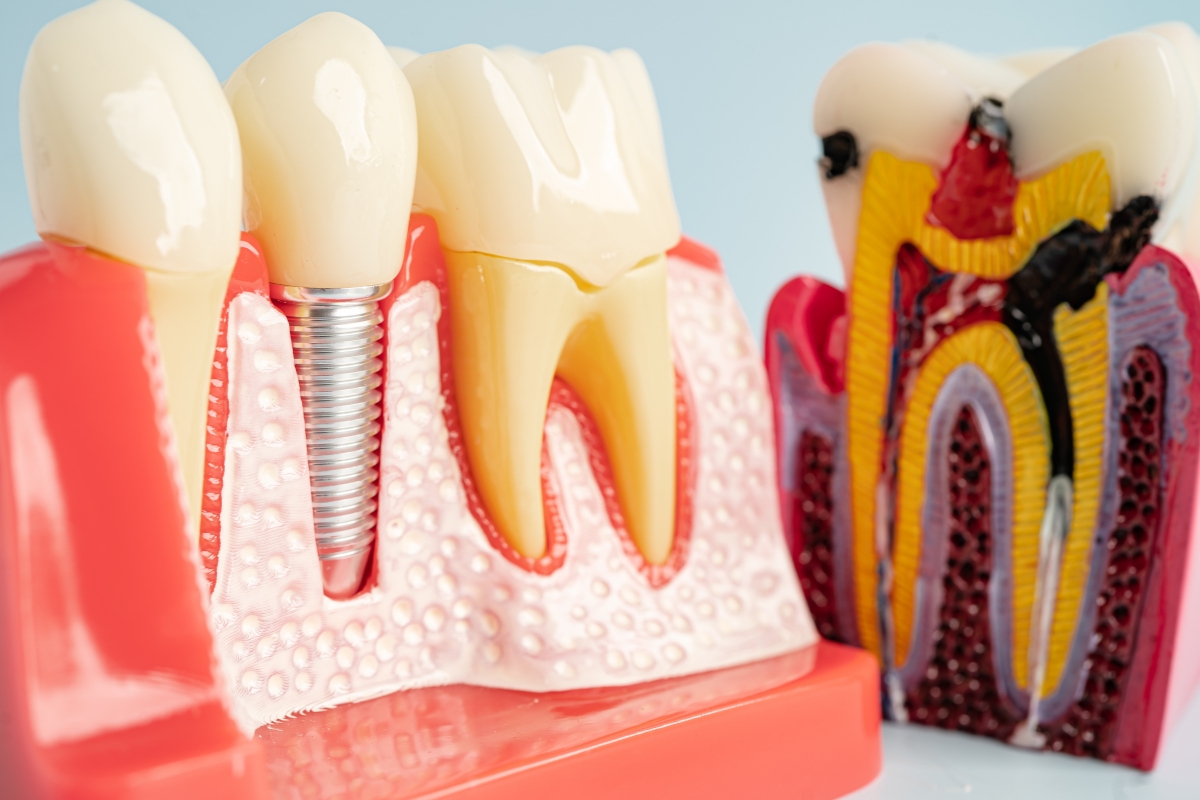
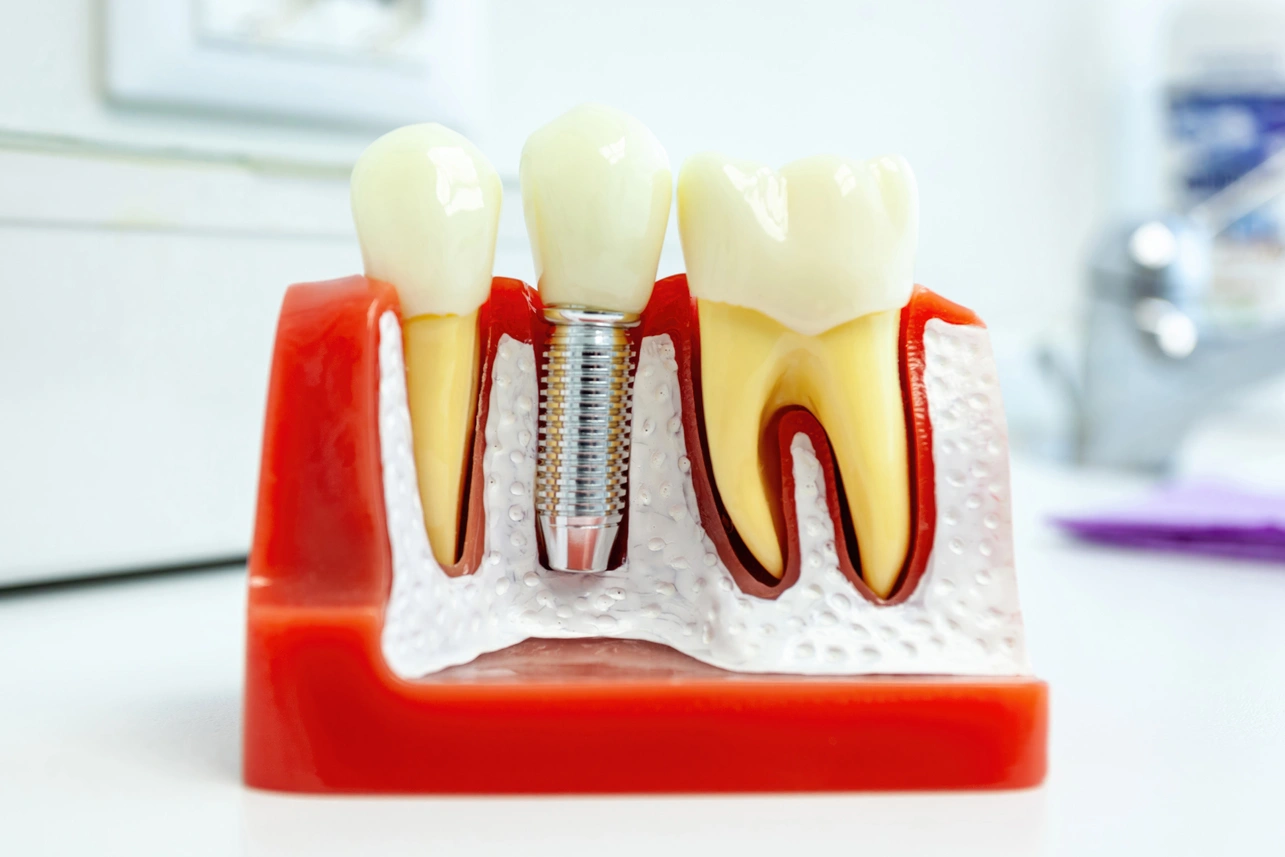
Before we dive into care tips, it’s important to understand what dental implants are and how they work. Dental implants consist of three main components:
- Implant Fixture: A titanium post surgically placed into the jawbone, serving as the root of the artificial tooth.
- Abutment: A connector placed on top of the implant fixture, linking the implant to the replacement tooth.
- Crown: The visible part of the implant that looks and functions like a natural tooth.
Dental implants integrate with the jawbone through a process called osseointegration, providing a stable and permanent foundation for replacement teeth. This integration makes proper care crucial to prevent complications and ensure the longevity of the implants.
Daily Oral Hygiene Routine
Maintaining a thorough daily oral hygiene routine is the cornerstone of dental implant care. Here are the key steps:
Brushing
- Brush Twice Daily: Just like natural teeth, dental implants should be brushed at least twice a day. Use a soft-bristle toothbrush to avoid damaging the implant surface and surrounding gum tissue.
- Use Non-Abrasive Toothpaste: Select a toothpaste that is non-abrasive to protect the implant and crown. Abrasive toothpaste can scratch the surface of the crown, leading to a dull appearance and potential plaque accumulation.
- Proper Technique: Hold the toothbrush at a 45-degree angle to the gum line and use gentle, circular motions to clean all surfaces of the implant and surrounding teeth. Pay special attention to the gumline, as plaque buildup here can lead to peri-implantitis, an inflammatory condition affecting the tissues around the implant.
Flossing
- Daily Flossing: Flossing is essential to remove plaque and food particles from between the teeth and around the implant. Use dental floss or interdental brushes specifically designed for implants to clean these areas effectively.
- Floss Threaders: If you have difficulty flossing around the implant, consider using floss threaders to navigate the floss around the abutment and crown.
Mouthwash
- Antibacterial Mouthwash: Rinse with an antibacterial mouthwash daily to help reduce plaque and bacteria in the mouth. This can be particularly beneficial in maintaining the health of the gum tissue around the implant.
Regular Dental Check-ups
Regular visits to your dentist are crucial for monitoring the health of your dental implants and ensuring they remain in optimal condition. Here’s what to expect during these check-ups:
Professional Cleanings
- Regular Cleanings: Schedule professional cleanings at least twice a year. Your dental hygienist will use special tools to clean around the implant and remove any plaque or tartar buildup that you might have missed during your daily routine.
- Deep Cleanings: In some cases, your dentist may recommend deep cleanings to reach areas that are difficult to clean with regular brushing and flossing, especially if there are signs of gum disease or peri-implantitis.
Examination
- Implant Evaluation: During your check-up, your dentist will examine the implant, abutment, and crown for any signs of wear, damage, or infection. They will also assess the health of your gums and bone around the implant.
- X-rays: Periodic X-rays may be taken to monitor the integration of the implant with the jawbone and to detect any potential issues that are not visible during a standard examination.
Healthy Lifestyle Choices
Certain lifestyle choices can significantly impact the longevity of your dental implants. Here are some tips to keep in mind:
Diet
- Balanced Diet: A balanced diet rich in vitamins and minerals supports overall oral health. Calcium and vitamin D are particularly important for maintaining strong bones, which are essential for the stability of dental implants.
- Avoid Hard Foods: Avoid chewing on hard foods like ice, hard candies, and nuts, as these can damage the crown or the implant itself.
- Limit Sugary Foods and Drinks: Sugary foods and drinks can contribute to plaque buildup and increase the risk of gum disease, which can affect the health of your implants.
Avoid Tobacco and Excessive Alcohol
- Quit Smoking: Smoking can significantly increase the risk of implant failure. It impairs blood flow to the gums, delaying healing and increasing the likelihood of infection.
- Limit Alcohol: Excessive alcohol consumption can also negatively impact oral health and the longevity of your dental implants.
Protect Your Implants
Protecting your dental implants from physical damage is crucial. Here are some tips to help safeguard your investment:
Wear a Mouthguard
- During Sports: If you participate in contact sports or activities with a risk of injury, wear a mouthguard to protect your implants and natural teeth from trauma.
- Night Guard: If you grind or clench your teeth at night (a condition known as bruxism), consider using a night guard to prevent damage to your implants and other teeth.
Avoid Using Teeth as Tools
- No Chewing on Objects: Avoid using your teeth to open packages, bottles, or bite nails. This can damage both natural teeth and implants.
Recognize Signs of Trouble
Being aware of potential issues early on can prevent more serious problems down the line. Here are some signs that may indicate a problem with your dental implant:
- Pain or Discomfort: Persistent pain or discomfort around the implant site should be checked by your dentist.
- Swelling or Redness: Swelling, redness, or bleeding in the gums around the implant could be a sign of infection or peri-implantitis.
- Loose Implant: If your implant feels loose, it’s important to see your dentist immediately. This could indicate a problem with the osseointegration process or bone loss around the implant.
Final Thoughts
Dental implants are a long-term investment in your oral health and confidence. With proper care and maintenance, they can last many years, providing you with a functional and beautiful smile. By following these tips and working closely with your dental professional, you can ensure the longevity of your dental implants and enjoy the benefits they offer for a lifetime.
Remember, maintaining good oral hygiene, attending regular dental check-ups, making healthy lifestyle choices, protecting your implants from physical damage, and being vigilant about potential issues are all key components of caring for your dental implants. Take these steps to heart, and your dental implants will serve you well for many years to come.