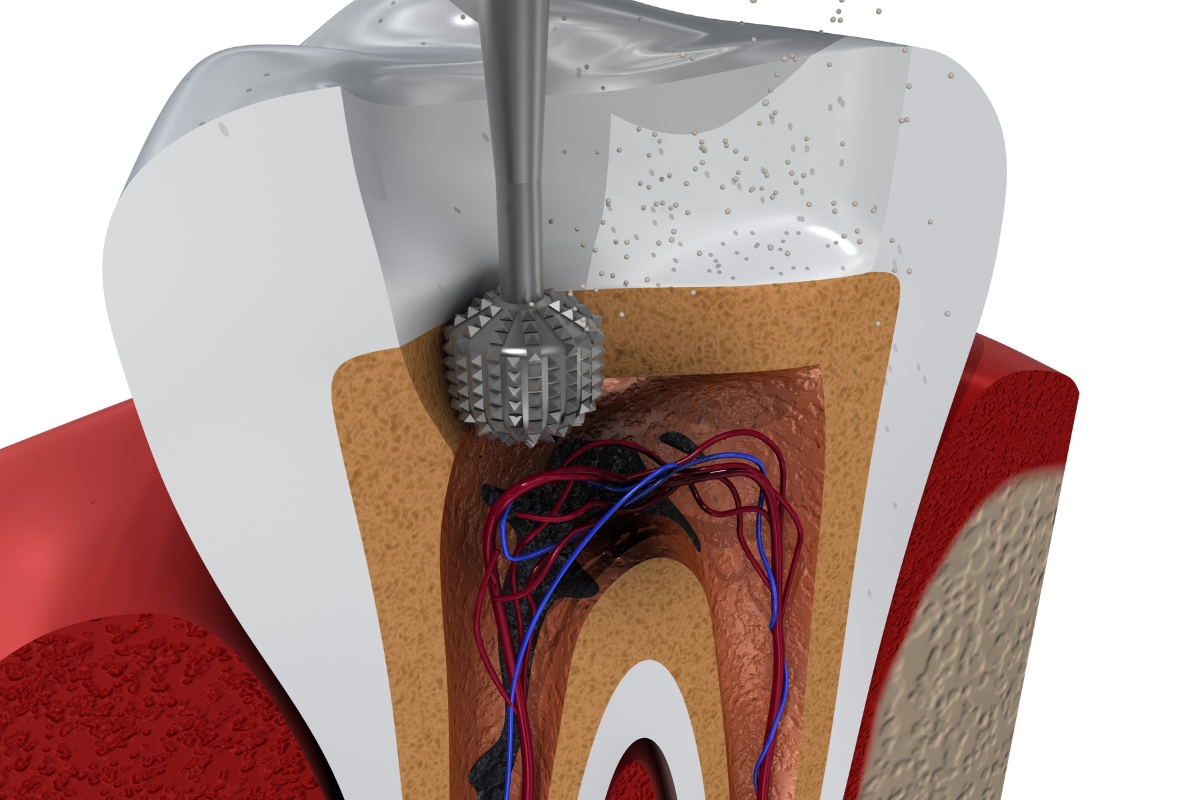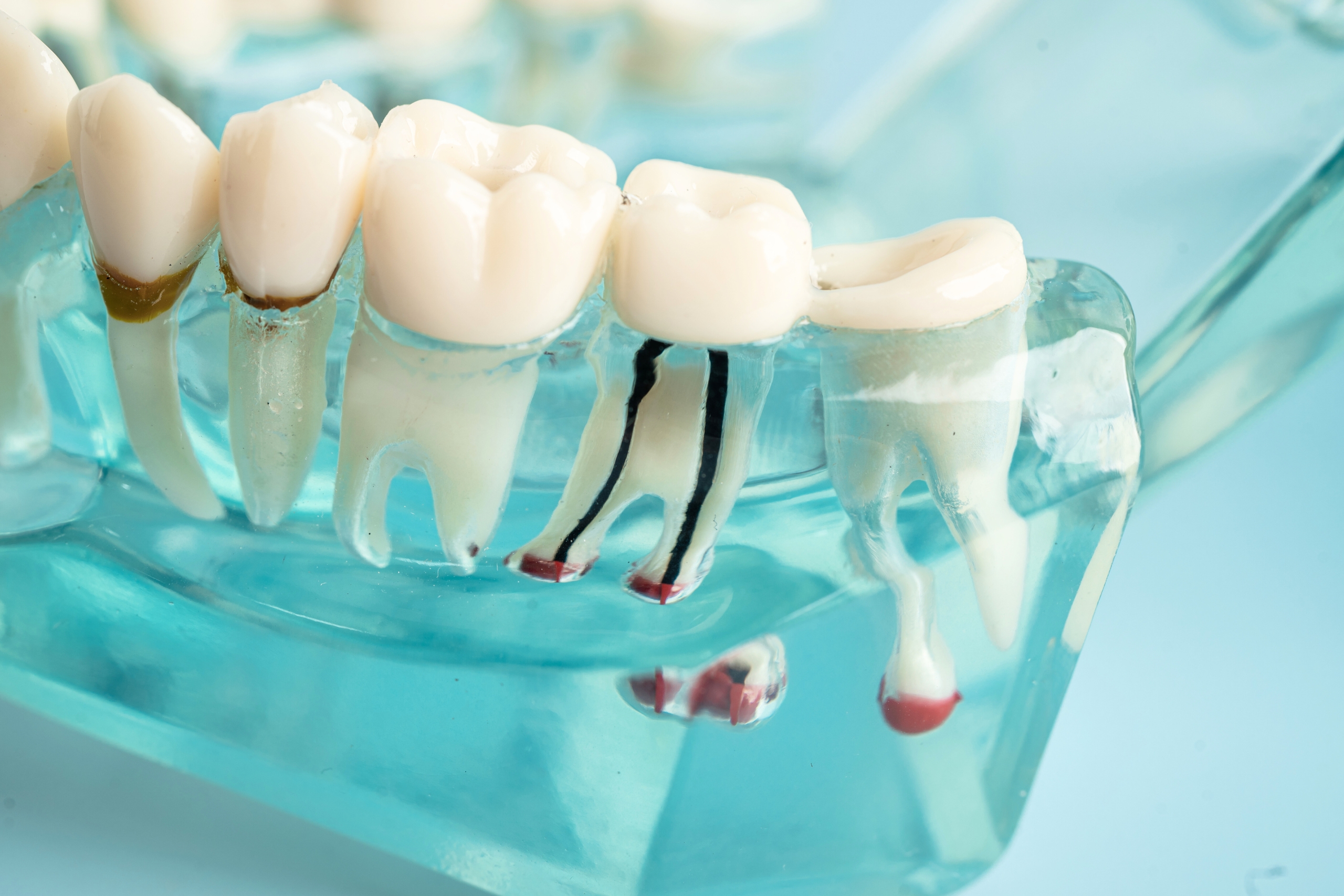
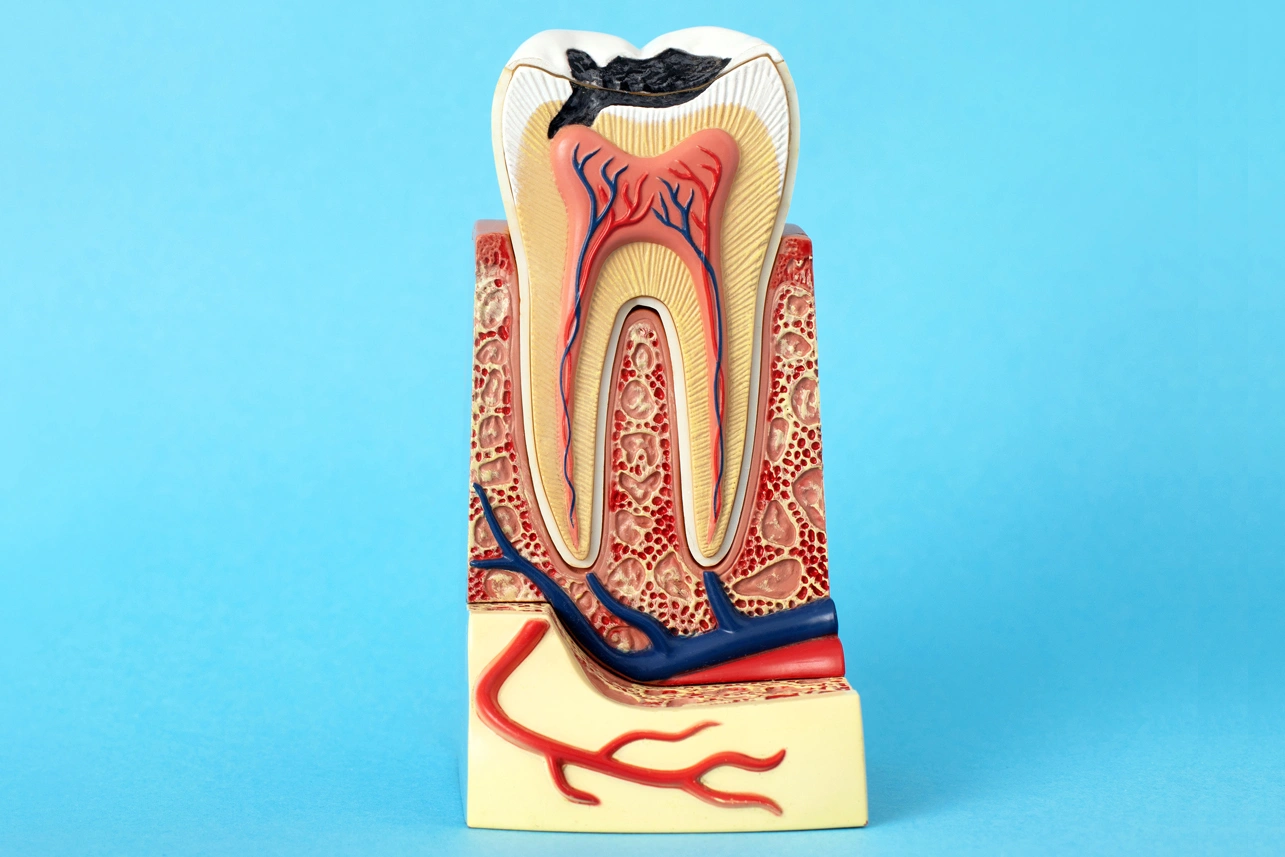
Root canal infection can be sneaky, often hiding their symptoms until things get serious. They might start small, but ignoring them can lead to severe pain and complications.
Signs to look for Root Canal Infection before it’s too late
If you’ve ever experienced a nagging toothache or noticed odd changes in your mouth, it might be time to pay attention.
In this blog, we’ll dive into five shocking signs that could indicate you have a root canal infection. From persistent tooth pain to unexpected bad breath, these symptoms can signal a deeper issue brewing beneath the surface. Understanding these early warning signs can help you take action quickly, preventing more extensive treatment down the road.
So, let’s get started on identifying these red flags and what you should do if you spot them!
Persistent Tooth Pain: A Major Red Flag for Root Canal Infection
Persistent tooth pain is often the most obvious sign that you might have a root canal infection. Unlike the occasional sensitivity you might experience from hot or cold foods, this pain lingers and intensifies over time. It can disrupt your daily activities and make even the simplest tasks uncomfortable.
What to Watch For:
- Constant Ache: Pain that doesn’t go away, no matter what you do, could signal an infection.
- Sharp Pain: Sudden, sharp pains that shoot through your tooth or jaw can indicate that the infection has worsened.
- Pain While Chewing: If biting down or chewing causes severe pain, it’s time to see a dentist.
Ignoring persistent pain could lead to more severe problems. If you notice this symptom, don’t wait. Seek professional help to prevent further damage and to get the relief you need.
Swelling and Tenderness Around the Tooth
Swelling and tenderness around a tooth can be another alarming sign of a root canal infection. This can manifest as swelling of the gums, face, or even the neck area, which often points to an underlying infection that requires immediate attention.
Signs to Identify:
- Localized Swelling: Swelling around the tooth, which has undergone the root canal treatment or it’s surrounding gum area, which can sometimes spread to other parts of the face.
- Redness and Warmth: The area around the tooth may feel warm to the touch and appear red or inflamed.
- Tenderness: Gentle pressure on the affected area can cause discomfort or pain.
Swelling can be a sign that the infection has reached a critical stage. Don’t ignore these symptoms; they often indicate that you need professional treatment to avoid complications.
Discoloration of the Affected Tooth
If you notice that a specific tooth has become darker or discolored, it might be a sign of a root canal infection. The tooth’s color change can result from the infection affecting the tooth’s internal structures.
What to Look For:
- Darkening: A tooth that turns darker than the surrounding teeth may be suffering from internal damage.
- Spots or Streaks: Look for unusual spots or streaks on the tooth’s surface, which could indicate decay or infection.
Discoloration is a clear signal that something is wrong inside the tooth. Addressing this issue early can prevent further damage and preserve your tooth’s health.
Bad Breath and Foul Taste
Persistent bad breath or a foul taste in your mouth can be more than just a nuisance. It often points to a deeper issue, such as a root canal infection, where bacteria have taken hold inside the tooth and surrounding tissues.
Indicators to Note:
- Constant Bad Breath: A lingering, unpleasant odor that doesn’t improve with brushing or mouthwash.
- Foul Taste: An ongoing bad taste in your mouth, even after eating or drinking, can signal an infection.
This symptom indicates that bacteria are present and multiplying, which can lead to more severe health issues if not treated promptly. Don’t overlook these signs; consult with your dentist to address the root cause.
Sensitivity to Hot and Cold
Increased sensitivity to hot and cold temperatures can be another sign of a root canal infection. While some sensitivity is normal, a significant or painful reaction to temperature changes often suggests that the nerve inside the tooth is compromised.
Symptoms to Monitor:
- Sharp Sensitivity: Extreme sensitivity to hot or cold foods and beverages that causes sharp pain.
- Lingering Sensitivity: Sensitivity that persists even after you stop consuming the hot or cold item.
Don’t let the signs of a root canal infection catch you off guard. Persistent pain, swelling, discoloration, bad breath, and sensitivity are not just inconveniences—they’re your body’s way of telling you something’s wrong. Acting swiftly can prevent further damage and alleviate your discomfort. If you recognize any of these symptoms, schedule a dental visit to get a proper diagnosis and treatment. Your teeth—and your overall health—will thank you for it!