
Root canal therapy is one of the most important dental procedures that exist. It is used to treat infections in teeth and prevent them from getting worse. In some cases, it can even save a tooth that would otherwise need to be extracted. However, many people are unsure as to what root canal therapy entails and how it works. In this blog post, we’ll take a look at what root canal therapy is, why it’s necessary and the steps involved in the procedure so you can make an informed decision about your oral health.
What Is Root Canal Therapy?
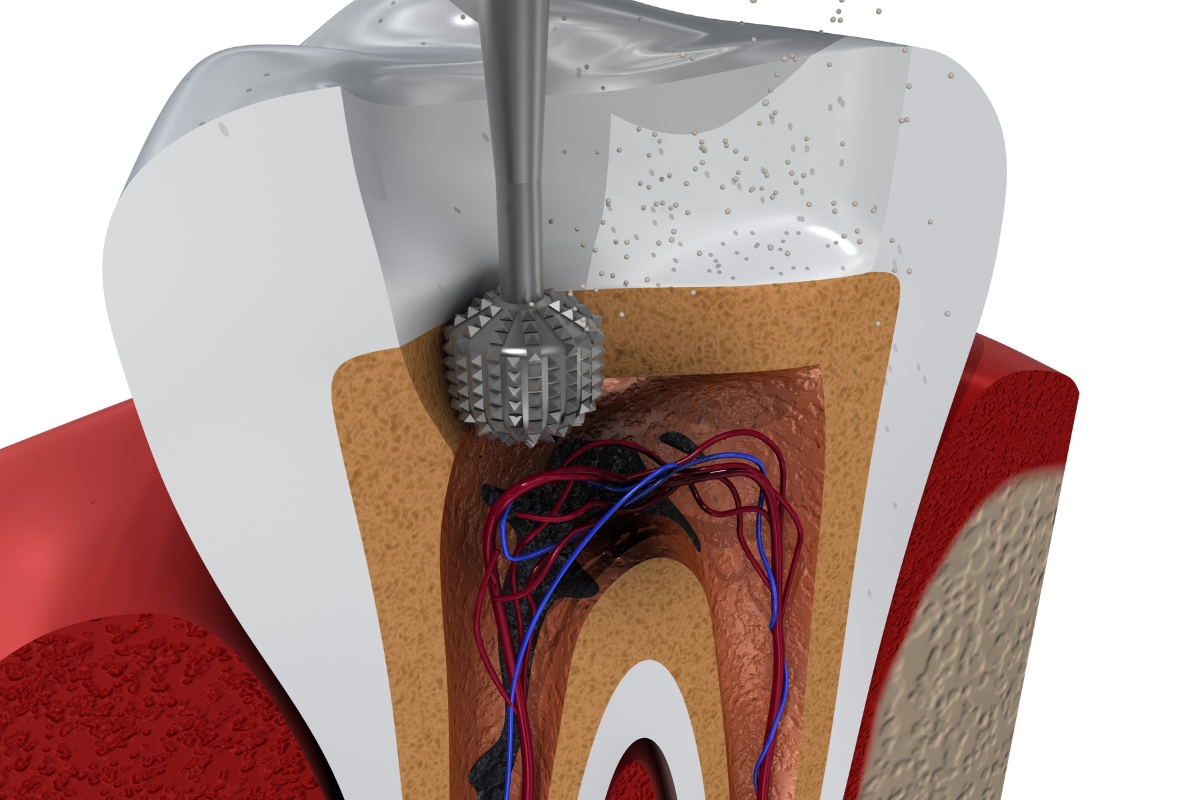
Root canal therapy is a relatively simple procedure that involves accessing the inside of the tooth, called the pulp chamber. The dentist then removes any infected or damaged tissue and cleans the area to prevent further damage. Once the area is thoroughly cleaned, a special material is placed in the root canals to protect them from infection and prevent further decay. Finally, a crown or filling is placed over the treated tooth to restore its shape and strength.
Root canal therapy is a treatment used to save a tooth that has been infected or damaged. The procedure involves removing the damaged or infected tissue from inside the tooth, cleaning and disinfecting the inside of the tooth, and then filling and sealing the inside of the tooth. Root canal therapy can be used to treat a variety of dental problems, including:
- Decay that has reached the pulp (the soft tissue inside the tooth)
- Infection or abscess in the pulp
- Injury to the tooth that has caused damage to the pulp
- Cracks or fractures in the tooth that have exposed the pulp
Why Is Root Canal Therapy Necessary?
A root canal is necessary when the nerve of a tooth becomes infected. The infection can be caused by decay, a crack in the tooth, or trauma to the tooth. If the nerve is not removed, the infection will spread through the root and into the bone, causing an abscess. An abscess is a pocket of pus that forms at the end of a tooth’s root. Abscesses are very painful and can lead to serious health problems if left untreated.
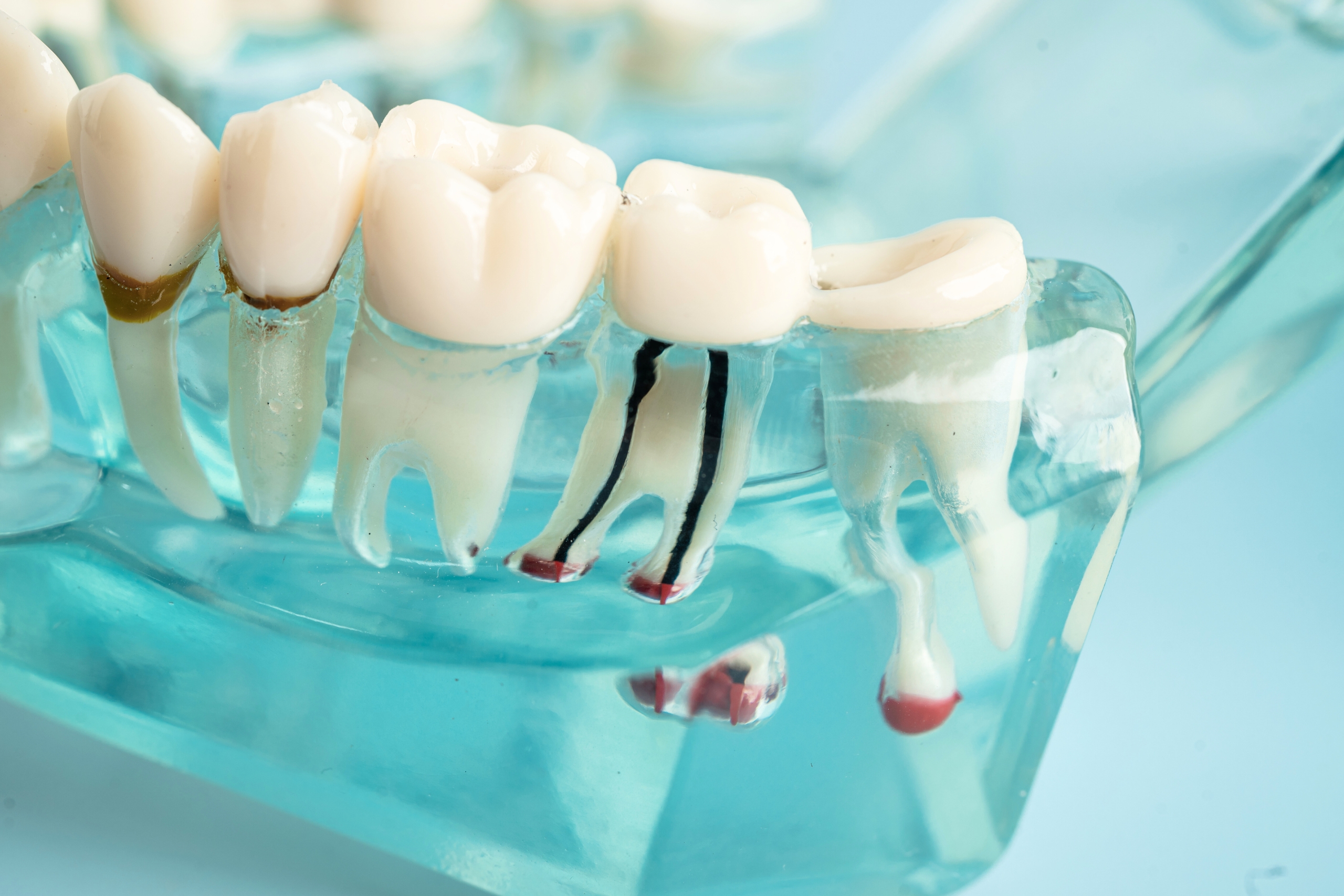
Root canal therapy involves removing the infected nerve and cleaning out the inside of the tooth. The tooth is then sealed with a filling or a crown. Root canal therapy is usually successful in saving teeth that would otherwise be lost to infection.
How Is Root Canal Therapy Performed?
An endodontist or a general dentist can perform a root canal. First, they will numb the area around the tooth with local anaesthesia. Next, they will put a rubber dam over your tooth to keep it clean and free of saliva.
Then, the dentist will use a drill to make an access hole in the top of the tooth. They will clean out the infected pulp and nerve tissue with special instruments. Once the tooth is cleaned out, they will fill it with a rubber-like material called gutta-percha.
Finally, they will seal the access hole with a temporary filling or crown. In some cases, a root canal can be done in one visit. But sometimes, you may need to come back for another visit to have the final restoration placed.
Root canal therapy is a safe, effective way to treat infections in the tooth and surrounding area. While it may be an intimidating prospect at first, you can rest assured that with proper care, your root canal treatment will have successful results. It’s important to remember that the goal of root canal treatment is to save the tooth from extraction and restore its natural functions. If you think that you may need a root canal procedure or are experiencing any type of dental pain or discomfort, contact your dentist as soon as possible for evaluation and diagnosis.