
Are you experiencing tooth pain and wondering if root canal therapy or tooth extraction is the best option for you? Both procedures have their pros and cons, making it difficult to decide which one to choose. Root canal therapy involves saving your natural tooth by removing the infected pulp while tooth extraction removes the entire affected tooth. In this blog post, we’ll explore these two treatment options in-depth so that you can make an informed decision on which one is right for you. Let’s dive in!
What is Root Canal Therapy?
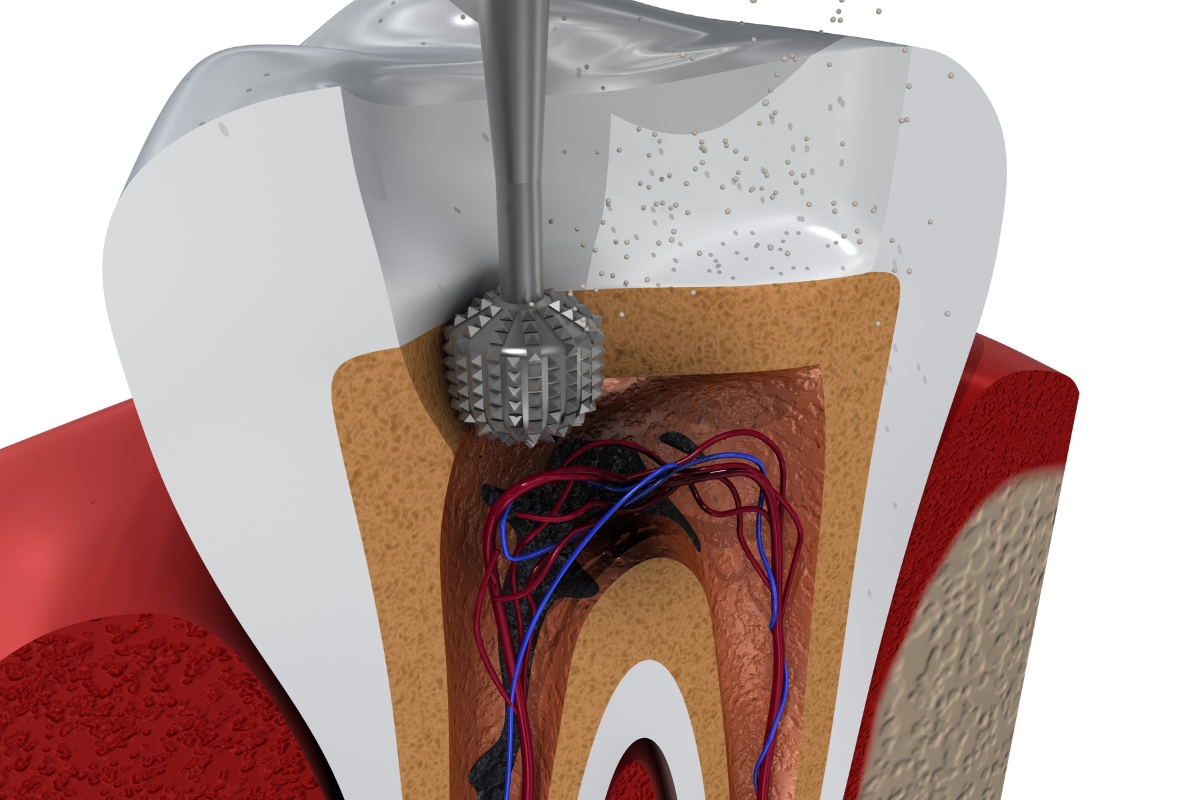
- Root canal therapy is a dental procedure that involves removing the infected or damaged pulp of a tooth. The pulp contains nerves, blood vessels, and connective tissue, which can become inflamed or infected due to deep decay, repeated dental procedures on the same tooth, cracks in the tooth’s surface or trauma.
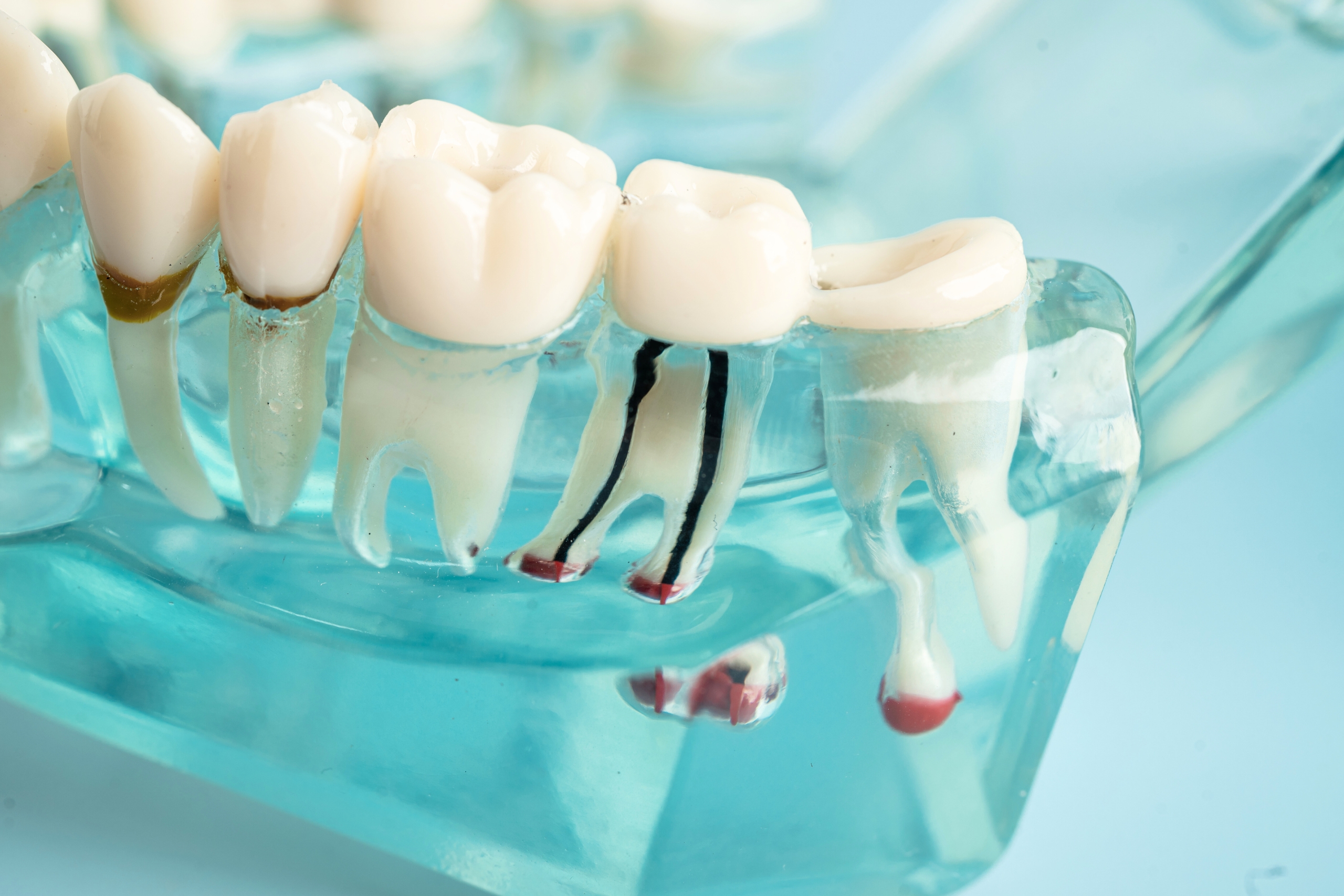
- During root canal therapy, your dentist will numb the affected area with local anesthesia before making an opening through the top of your tooth to remove the pulp. Afterward, they’ll clean and shape the root canals before filling them with gutta-percha (a rubber-like material) and sealing it off.
- Once completed, you may need to get a crown placed over your treated tooth for protection and strength as it will become weak after this process. Root canal therapy helps save natural teeth from extraction while restoring functionality back into them.
- If you’re experiencing severe pain when chewing food or sensitivity in one particular area of your mouth along with swelling around that region; It’s best to schedule an appointment with your dentist as soon as possible!
What is Tooth Extraction?
- Tooth extraction is the process of removing a tooth from its socket in the bone. This procedure can be done for various reasons, such as severe decay or damage that cannot be repaired through other means like root canal therapy or crowns.
- The dentist will first examine the tooth and take X-rays to determine how complex the extraction may be. Local anesthesia is used to numb the area before starting the procedure, and sedation may also be an option for patients who experience anxiety during dental procedures.
- Once the tooth has been extracted, a blood clot forms in its place, which helps protect and heal the underlying bone tissue. Patients are advised to follow certain aftercare instructions, including avoiding smoking and drinking through straws until healing is complete.
- While tooth extraction can effectively address certain dental issues, it’s important to consider other options like root canal therapy before proceeding with this irreversible treatment. Your dentist can help you decide which option is best suited for your specific needs.
Which Option is Best for You?
- When it comes to deciding between root canal therapy and tooth extraction, the best option for you depends on various factors such as the severity of your dental issue, personal preferences, budget, and long-term goals.
- If you have a severely infected or damaged tooth that cannot be saved by any other means besides removing it completely, then tooth extraction may be necessary. However, keep in mind that this can lead to further complications down the line such as bone loss and difficulty chewing.
- On the other hand, if there is still some healthy structure left in your damaged or infected tooth and you want to save it if possible – root canal therapy may be a better choice for you. This procedure involves removing the diseased pulp from inside your affected tooth while leaving its outer shell intact.
- Ultimately, consulting with an experienced dentist is crucial when making this decision. They can evaluate your situation thoroughly and provide expert advice on which treatment option would work best for you based on your unique needs.
- After weighing the pros and cons of root canal therapy and tooth extraction, it is clear that neither option is inherently better than the other. The best choice for you will depend on your individual circumstances, such as the condition of your tooth, your overall oral health, and personal preferences.
- If there is still a chance to save your natural tooth with root canal therapy, it may be worth considering since keeping your natural teeth can provide benefits such as proper chewing ability and maintaining bone structure. However, if the damage to the tooth is too severe or if there are other underlying issues in play like gum disease or overcrowding then tooth extraction may be necessary.
- Ultimately, it’s important to have an open conversation with your dentist about all available options before making any decisions. With their guidance and expertise along with careful consideration from yourself – you’ll be able to make an informed decision that will lead towards good dental health.
In conclusion, when it comes to choosing between root canal therapy and tooth extraction, there is no definitive “best” option that applies universally. Each case should be evaluated individually, considering factors such as the condition of the tooth, overall oral health, and patient preferences. Consulting with a dental professional will help determine the most suitable course of action to preserve oral function and maintain a healthy smile.