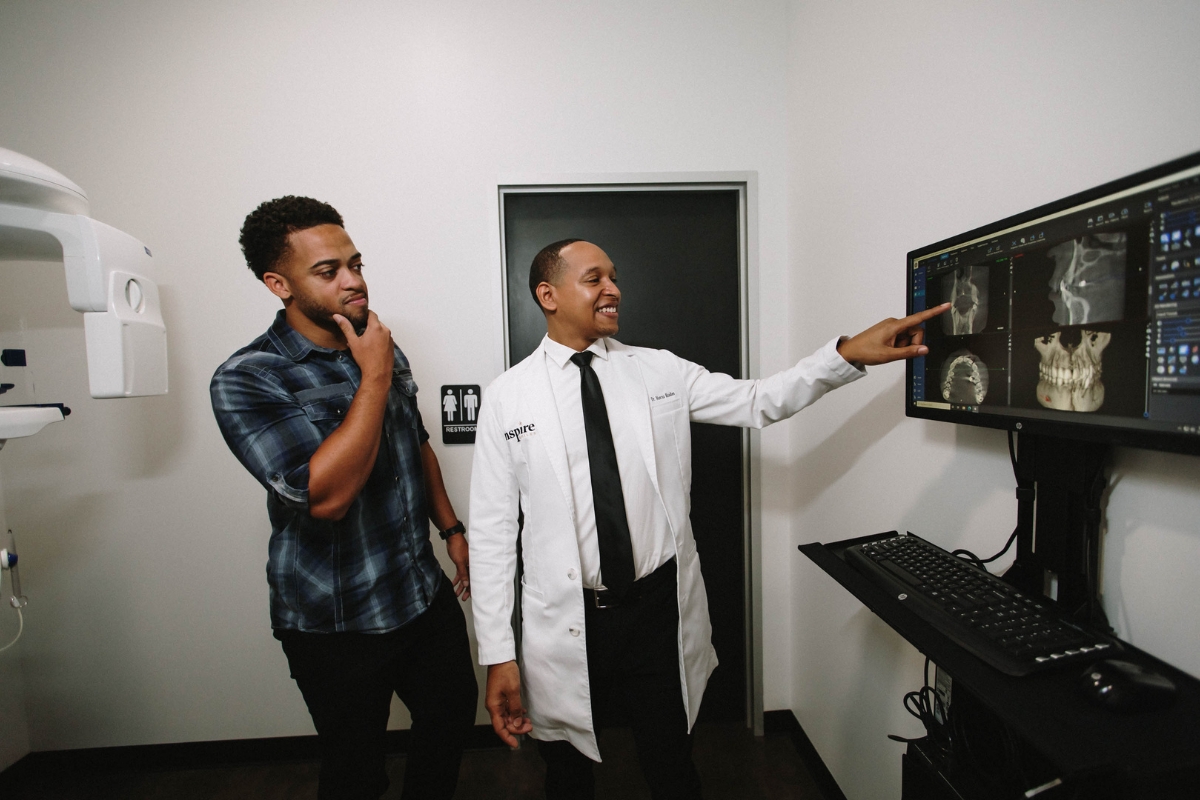

In dental emergencies, the role of an emergency dentist becomes crucial. When unexpected dental issues arise, causing severe pain or trauma, the emergency dentist is the ray of hope that shines through the darkness. These skilled professionals are equipped to handle urgent dental situations promptly and effectively. Their expertise and dedication provide immediate relief, comfort, and care to distressed patients. From treating severe toothaches and broken teeth to addressing knocked-out or loose teeth, the emergency dentist serves as a beacon of hope, ensuring that dental emergencies are met with swift and compassionate intervention.
Common Dental Emergencies
1. Severe toothaches and infections: Dental emergencies often arise from intense tooth pain or infections that require immediate attention to alleviate discomfort and prevent further complications.
2. Broken or chipped teeth: Accidents or trauma can result in broken or chipped teeth, causing pain and affecting the smile’s appearance. Emergency dental care can help restore the tooth’s structure and protect it from further damage.
3. Knocked-out or displaced teeth: Prompt dental intervention is crucial when a tooth gets knocked out or displaced due to an injury. The emergency dentist can attempt to reinsert the tooth or provide alternative solutions like dental implants or bridges.
4. Lost or broken dental restorations: If a dental crown, filling, or another dental restoration becomes loose, lost, or broken, it can cause discomfort and compromise the tooth’s integrity. The emergency dentist can address the issue promptly and restore the dental restoration.
5. Soft tissue injuries or bleeding: Injuries to the soft tissues of the mouth, such as the tongue, gums, or cheeks, can lead to excessive bleeding and pain. Emergency dental care can help control bleeding, assess the injury, and provide appropriate treatment to promote healing.
Immediate Steps to Take
1. Contact the emergency dentist: As soon as a dental emergency occurs, contact an emergency dentist to explain the situation and seek guidance on the next steps. They can provide immediate advice and schedule an emergency appointment if necessary.
2. Manage pain and discomfort: If you’re experiencing severe tooth pain or discomfort, you can try over-the-counter pain relievers, like ibuprofen, to temporarily alleviate the pain. Applying a cold compress to the affected area can also help reduce swelling and provide some relief.
3. Preserve knocked-out teeth: If a tooth has been knocked out, handle it carefully by the crown (top part) and avoid touching the root. Rinse it gently with water if it’s dirty, but do not scrub or remove any attached tissue. Try to reinsert the tooth back into its socket if possible, or keep it moist by placing it in a container of milk or saliva until you can see the emergency dentist. Time is crucial in increasing the chances of successful reattachment.
Seeking Emergency Dental Care
1. Assess the urgency: If you’re unsure whether your dental issue requires emergency care, consider the severity of the pain or discomfort, bleeding or swelling, and the impact on your daily activities. If the issue significantly affects your oral health or overall well-being, it’s best to seek emergency dental care.
2. Contact your dentist: Call your regular dentist’s office to explain the situation. They may have specific instructions for handling emergencies or refer you to an emergency dental clinic. It’s important to provide accurate details about your symptoms and any necessary background information.
3. Visit an emergency dental clinic: If your regular dentist is unavailable or cannot accommodate you immediately, search for emergency dental clinics in your area. These clinics are equipped to handle urgent dental issues and can provide prompt care and treatment.
Emergency Dental Treatments
1. Toothache relief: Emergency dental treatments often immediately relieve severe toothaches. It may include applying a topical anesthetic or administering pain medication to alleviate the discomfort.
2. Dental trauma management: Emergency dental treatments address issues like broken or knocked-out teeth in cases of dental injuries or accidents. Prompt action can increase the chances of saving the tooth, and procedures such as repositioning, splinting, or dental bonding may be performed.
3. Treatment of dental infections: If an infection, such as an abscessed tooth or gum infection, is causing severe pain or swelling, emergency dental treatments may involve draining the abscess, prescribing antibiotics, or performing a root canal to remove the infection.
4. Temporary restorations: In situations where a permanent dental restoration, such as a crown or filling, becomes damaged or dislodged, emergency dental treatments may involve the placement of temporary restorations to protect the tooth until a permanent solution can be provided.
Follow-Up Care and Prevention
1. Post-treatment instructions: After receiving emergency dental care, it is essential to follow any post-treatment instructions provided by the dentist. It may include taking prescribed medications, avoiding certain foods or activities, and maintaining proper oral hygiene.
2. Regular dental check-ups: To prevent future dental emergencies, it is important to schedule regular dental check-ups. These routine visits allow the dentist to identify and address potential dental issues before they become emergencies. Regular cleanings and examinations help maintain oral health and reduce the risk of dental emergencies. Additionally, the dentist can guide preventive measures, such as wearing mouthguards during sports activities or addressing any underlying dental conditions that may increase the risk of emergencies.
FAQs:
1. What qualifies as a dental emergency?
Dental emergencies can include severe tooth pain, knocked-out or fractured teeth, excessive bleeding, abscesses or infections, and any other condition causing extreme discomfort or affecting the mouth’s function.
2. When should I seek emergency dental care?
It is recommended to seek emergency dental care as soon as possible if you experience severe pain, have a dental injury, or notice signs of infection. Prompt treatment can help alleviate pain, prevent complications, and improve outcomes.
3. What should I do if a tooth is knocked out?
If a tooth is knocked out, gently rinse it with water, not removing any attached tissue. Try to place the tooth back in its socket, or if not possible, store it in milk or saliva and seek immediate dental care. Time is critical for the successful replantation of a knocked-out tooth.
In times of dental emergencies, the presence of an emergency dentist can be a ray of hope. Prompt and skilled dental care can alleviate pain, prevent further damage, and restore oral health. By understanding emergency dentistry, taking immediate steps, seeking timely care, and following up with proper prevention, you can confidently navigate dental emergencies and ensure your dental well-being.