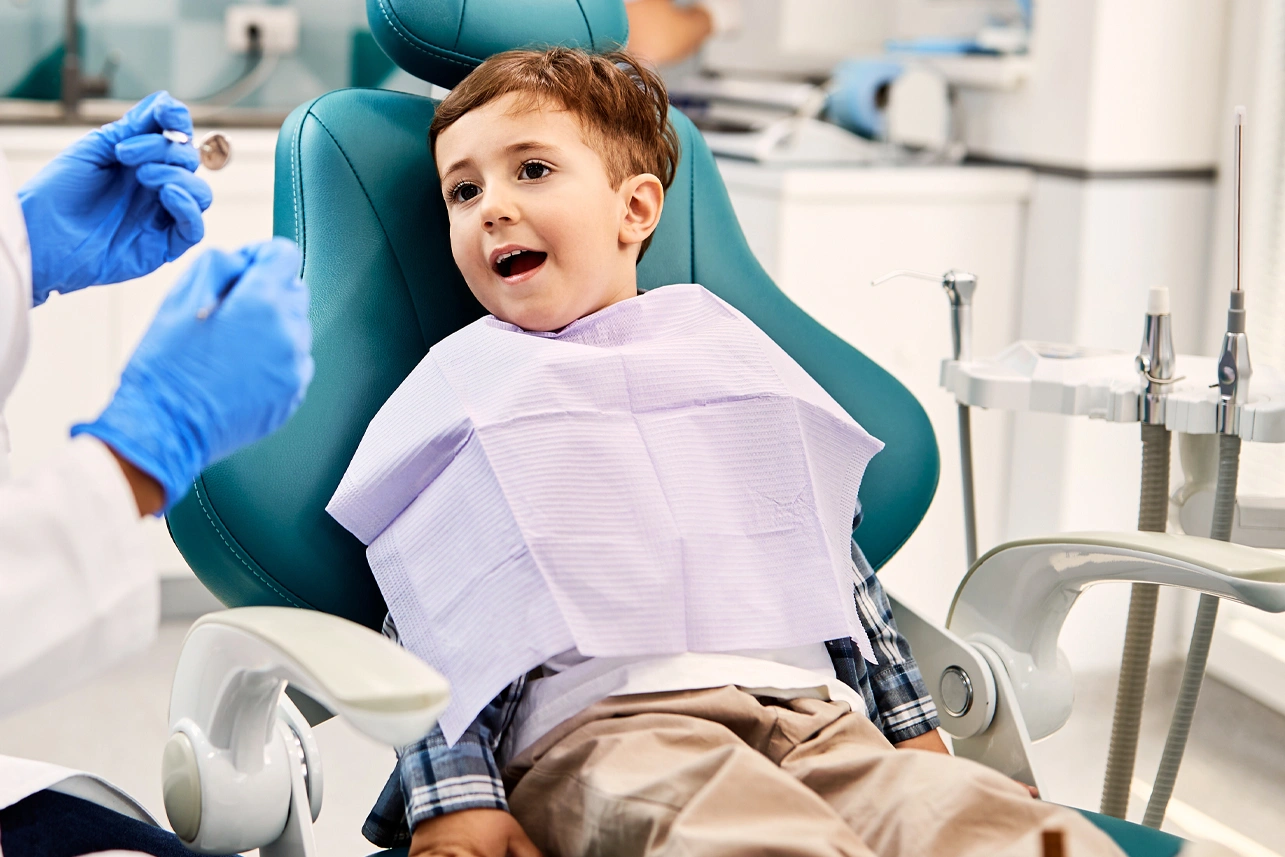

Dental anxiety is a common issue among children, and it can lead to negative dental experiences and avoidance of dental care in the future. However, pediatric dentists are specially trained to handle the unique needs of young patients and help them overcome their fears. In this blog, we will explore the reasons behind dental anxiety in children, the impact it can have on their oral health, and the various strategies that pediatric dentists use to create a comfortable and positive environment. By understanding the role of pediatric dentists, parents can ensure their children receive the dental care they need without fear or apprehension.’
Understanding Dental Anxiety in Children
Dental anxiety in children is a common issue that can make dental visits a challenging experience for both the child and the dentist. Many factors contribute to dental anxiety in children, such as fear of pain, the unfamiliar environment, or past negative experiences. This section will delve into the various causes and triggers of dental anxiety in children, helping parents and caregivers recognize the signs that their child may be anxious about dental visits. Understanding the root causes of dental anxiety is crucial for addressing and managing it effectively, ensuring that children can receive the dental care they need in a positive and supportive environment.
The Role of Pediatric Dentists
Pediatric dentistry helps children overcome dental anxiety and have positive dental experiences. Here are three key points regarding the role of pediatric dentists:
1. Specialized Training: Pediatric dentists receive specialized training in child psychology, behavior management, and communication techniques. They understand the unique needs and concerns of children and know how to create a child-friendly and comfortable environment in their dental practice.
2. Gentle Approach: Pediatric dentists use a gentle and compassionate approach to care for young patients. They take the time to build trust and rapport with children, helping them feel safe and at ease during dental visits.
3. Behavior Management Techniques: Pediatric dentists employ behavior management techniques to guide children through dental procedures. These may include distraction techniques, positive reinforcement, and explaining procedures in a child-friendly manner, all aimed at reducing anxiety and fear.
Overall, pediatric dentists play a critical role in promoting oral health and instilling positive dental habits in children, setting the foundation for a lifetime of good oral hygiene.
Strategies for Overcoming Dental Anxiety
Strategies for overcoming dental anxiety in children include:
1. Communication and Education: Pediatric dentists use age-appropriate language to explain dental procedures to children, ensuring they understand what to expect. This communication helps alleviate fear of the unknown and empowers children to participate in their dental care.
2. Distraction Techniques: Pediatric dentists may use distraction techniques such as showing cartoons, using interactive games, or playing soothing music during dental procedures. These techniques divert children’s attention away from the dental work, reducing anxiety.
3. Positive Reinforcement: Pediatric dentists use positive reinforcement and praise to reward children for their cooperation during dental visits. Celebrating small achievements and bravery helps build confidence and creates positive associations with dental care.
By employing these strategies, pediatric dentists can create a supportive and comforting environment, making dental visits more manageable and enjoyable for children with dental anxiety.
Parental Involvement and Support
Parental involvement and support are crucial in helping children overcome dental anxiety. Here are three ways parents can play a significant role:
1. Encouragement and Reassurance: Parents can provide constant encouragement and reassurance to their children before, during, and after dental visits. By showing empathy and understanding, parents can help alleviate their child’s anxiety and build trust in the dental team.
2. Positive Role Modeling: Parents can set a positive example by demonstrating good oral hygiene habits and maintaining regular dental check-ups themselves. Seeing their parents taking dental visits seriously can motivate children to do the same and normalize the dental care experience.
3. Practicing Relaxation Techniques: Parents can teach their children relaxation techniques, such as deep breathing or visualization, to use during dental appointments. These techniques can help children manage their anxiety and feel more in control during the visit.
With parental involvement and support, children can develop a positive attitude towards dental care and overcome dental anxiety more effectively.
Building Positive Dental Experiences
Building positive dental experiences is essential in helping children overcome dental anxiety and fostering a lifelong commitment to oral health. Here are three ways to create positive dental experiences:
1. Child-Friendly Environment: Pediatric dentists often create a child-friendly and welcoming environment to help children feel at ease. Colorful decor, toys, and kid-friendly dental tools can help create a positive and comforting atmosphere.
2. Gentle and Patient Approach: Pediatric dentists use a gentle and patient approach when working with children. They explain procedures in simple terms and take the time to answer any questions, easing the child’s fear and uncertainty.
3. Positive Reinforcement: Encouragement and positive reinforcement play a significant role in building a child’s confidence during dental visits. Praising their bravery and good behavior can help create positive associations with dental care.
By implementing these strategies, pediatric dentists can ensure that children have positive dental experiences, paving the way for a lifetime of good oral health habits.
Some FAQs include:
1. How common is dental anxiety in children?
Dental anxiety is relatively common in children, with estimates suggesting that up to 20% of children experience some level of fear or anxiety related to dental visits.
2. What causes dental anxiety in children?
Dental anxiety in children can be caused by various factors, such as previous negative experiences, fear of pain or needles, fear of the unknown, or hearing negative stories from others.
3. How can a pediatric dentist help with dental anxiety?
Pediatric dentists are specially trained to work with children and understand their unique needs. They use child-friendly techniques, offer gentle and patient care, and create a welcoming environment to help children feel comfortable during dental visits.
4. Can parents play a role in reducing dental anxiety in children?
Yes, parents can play a crucial role in reducing dental anxiety. By providing positive reinforcement, explaining dental procedures in an age-appropriate way, and being supportive and reassuring, parents can help alleviate their child’s fears.
5. Are sedation options available for children with severe dental anxiety?
Yes, for children with severe dental anxiety or special needs, pediatric dentists may offer sedation options to help them feel more relaxed and comfortable during dental procedures. However, sedation is used only when necessary and is closely monitored by trained professionals.
In conclusion, addressing dental anxiety in children is essential for promoting their oral health and overall well-being. Pediatric dentists play a crucial role in creating a positive and comfortable dental experience for children. With the right strategies, parental involvement, and support, children can overcome their fears and develop a lifelong positive attitude towards dental care, ensuring their oral health remains a top priority throughout their lives.