Tobacco use remains a pervasive public health concern, and its intricate connection to oral cancer cannot be overstated. In Richmond, TX, as elsewhere, the prevalence of this deadly disease underscores the pressing need for awareness and action. This comprehensive guide delves into the profound link between tobacco use and oral cancer, shedding light on the alarming statistics and risk factors. Moreover, it emphasizes the paramount importance of regular oral cancer screening as a vital component of preventive healthcare. By understanding this link and prioritizing screening, individuals in Richmond can take proactive steps towards early detection, potentially life-saving intervention, and the preservation of their oral health.
The Alarming Statistics
1. Prevalence of Oral Cancer: Present data on the prevalence of oral cancer cases attributed to tobacco use in Richmond, TX. Use recent statistics to emphasize the significance of this health concern in the local community.
2. Impact on Community Health: Discuss the profound impact of oral cancer on the overall health and well-being of Richmond residents. Highlight the importance of addressing this issue through awareness and prevention.
Understanding the Tobacco-Oral Cancer Connection
1. Increased Risk: Explain how tobacco use, both smoking and smokeless forms, significantly elevates the risk of oral cancer. Discuss the carcinogenic chemicals present in tobacco products that can lead to the development of oral cancer.
2. Mechanism of Action: Describe the mechanisms by which tobacco substances can damage oral tissues and DNA, increasing the likelihood of malignant cell growth. Provide readers with insights into the biological link between tobacco and oral cancer.
Recognizing Risk Factors
1. Tobacco Use: Reiterate the significance of tobacco use as a primary risk factor for oral cancer. Emphasize that both smoking and smokeless forms of tobacco increase the risk significantly.
2. Other Risk Factors: Mention additional risk factors, such as excessive alcohol consumption and HPV infection, that can compound the risk of oral cancer. Encourage readers to recognize these factors and take proactive steps to reduce their risk.
Early Detection through Screening
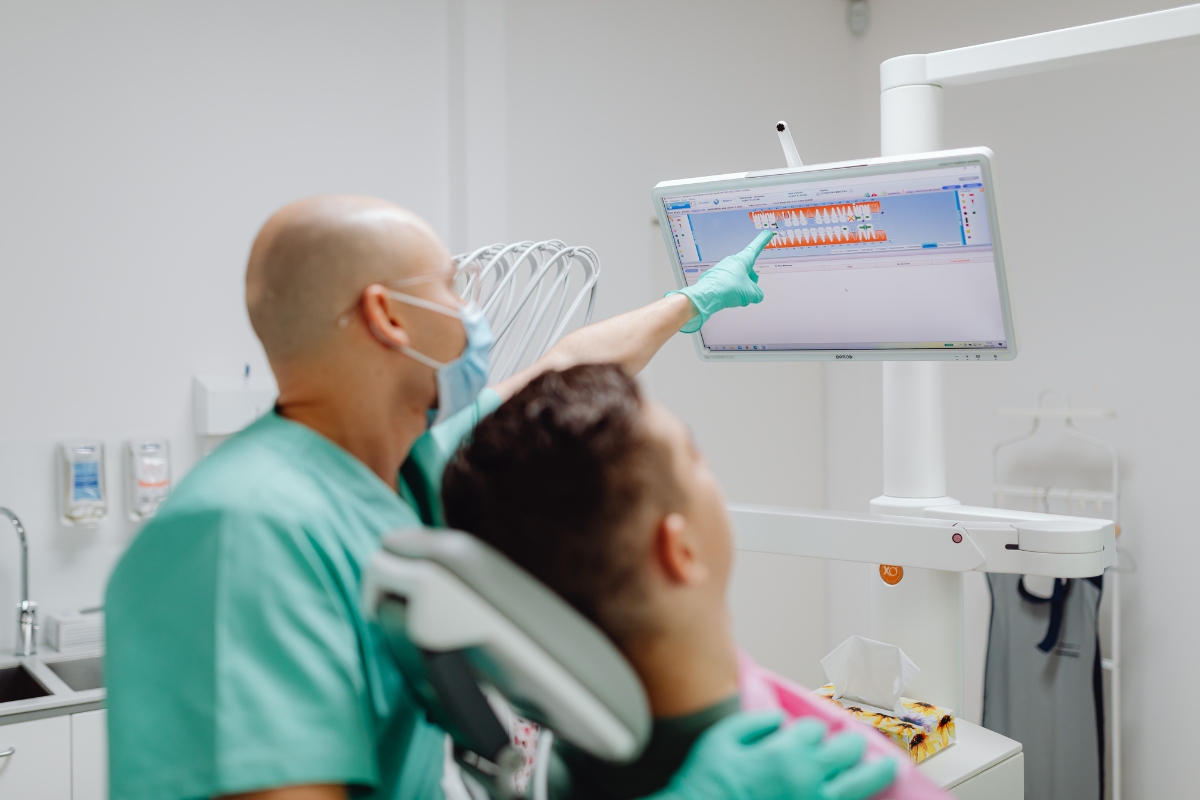
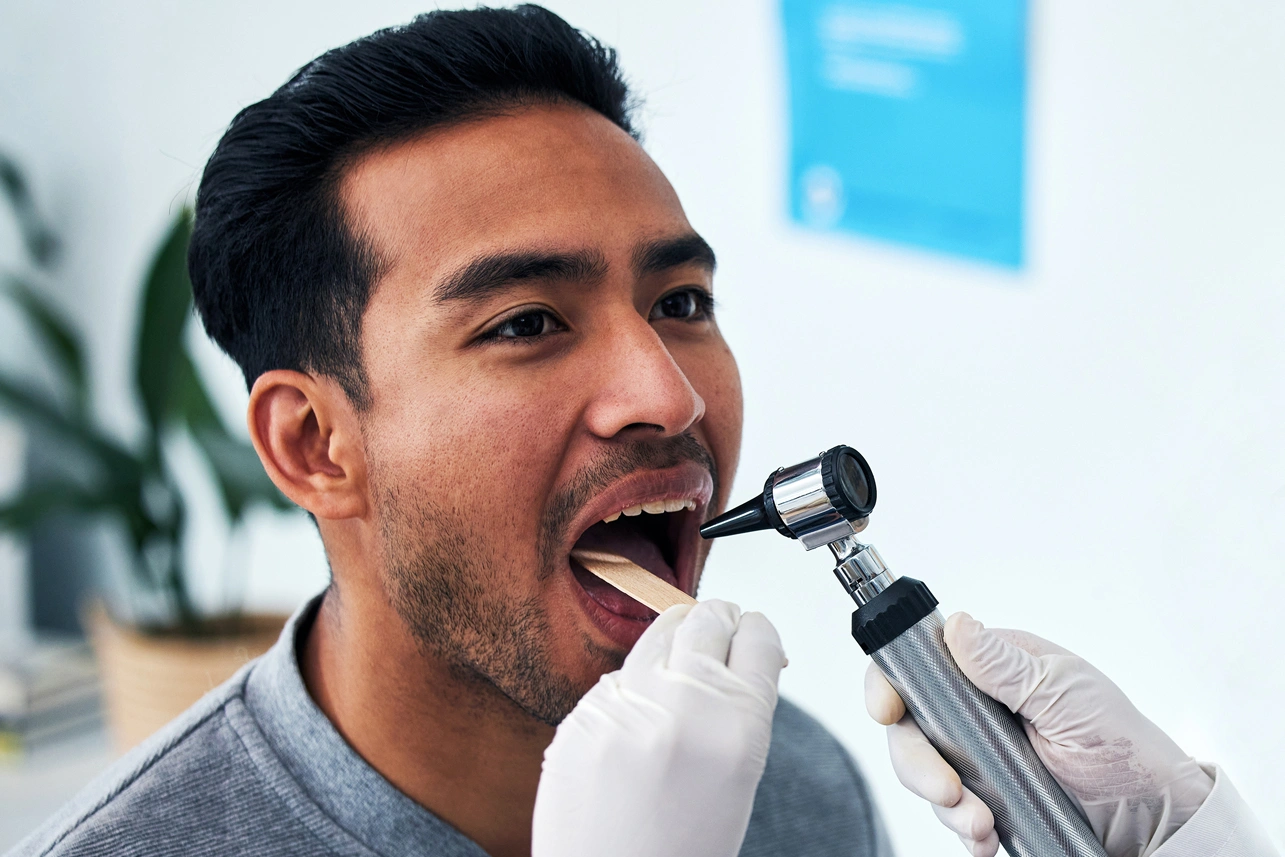
1. The Screening Process: Explain the process of oral cancer screening, including its simplicity and non-invasiveness. Describe how dentists and healthcare professionals use visual examinations and sometimes additional diagnostic tools to detect early signs of oral cancer.
2. Frequency and Importance: Stress the importance of regular oral cancer screening, even for individuals who may not exhibit symptoms. Highlight that early detection can significantly improve treatment outcomes and survival rates. Encourage readers to schedule screenings as part of their preventive healthcare routine.
Benefits of Early Detection
1. Effective Treatment: Explain how early detection of oral cancer can lead to more effective treatment options. Mention that when detected at an early stage, oral cancer is often highly treatable with better chances of a full recovery.
2. Improved Survival Rates: Provide statistics on the improved survival rates associated with early-stage oral cancer compared to advanced cases. Emphasize that regular screenings can contribute to better long-term outcomes for individuals in Richmond, TX.
The Screening Process in Richmond, TX
1. Local Healthcare Providers: Share information about local healthcare providers, dental clinics, or hospitals in Richmond, TX, where residents can access oral cancer screenings. Mention any community-based screening initiatives or events.
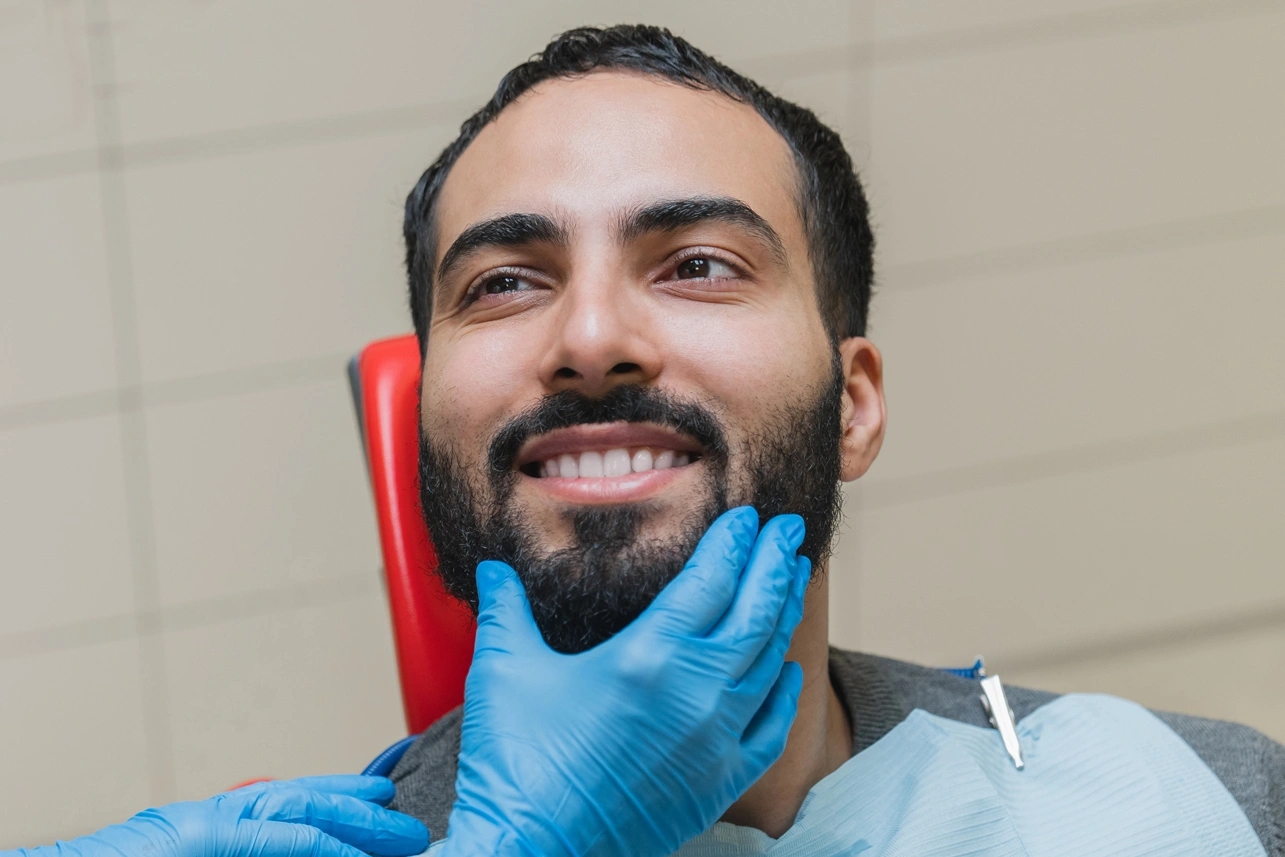
2. Dentists’ Role Explain the crucial role of dentists in conducting regular oral cancer screenings during routine dental check-ups. Encourage readers to inquire about screenings during their dental appointments and to maintain regular dental visits for comprehensive oral health care.
Encouraging Regular Screening
1. Routine Health Practice: Emphasize the importance of making oral cancer screening a routine part of one’s health care regimen. Encourage readers to prioritize their oral health by scheduling regular screenings, particularly if they engage in tobacco use or possess other risk factors.
2. Proactive Health Management: Highlight that regular screening is a proactive measure that can lead to early detection, potentially saving lives. Urge readers not to delay seeking this essential preventive service.
In Richmond, TX, understanding the profound link between tobacco use and oral cancer is paramount. By recognizing the risks, undergoing regular screenings, and prioritizing early detection, residents can take proactive steps toward preserving their oral health and well-being. Regular screenings are not just about prevention; they are lifesaving measures that empower individuals to lead healthier, cancer-free lives.