What Is An Underbite Anyway?
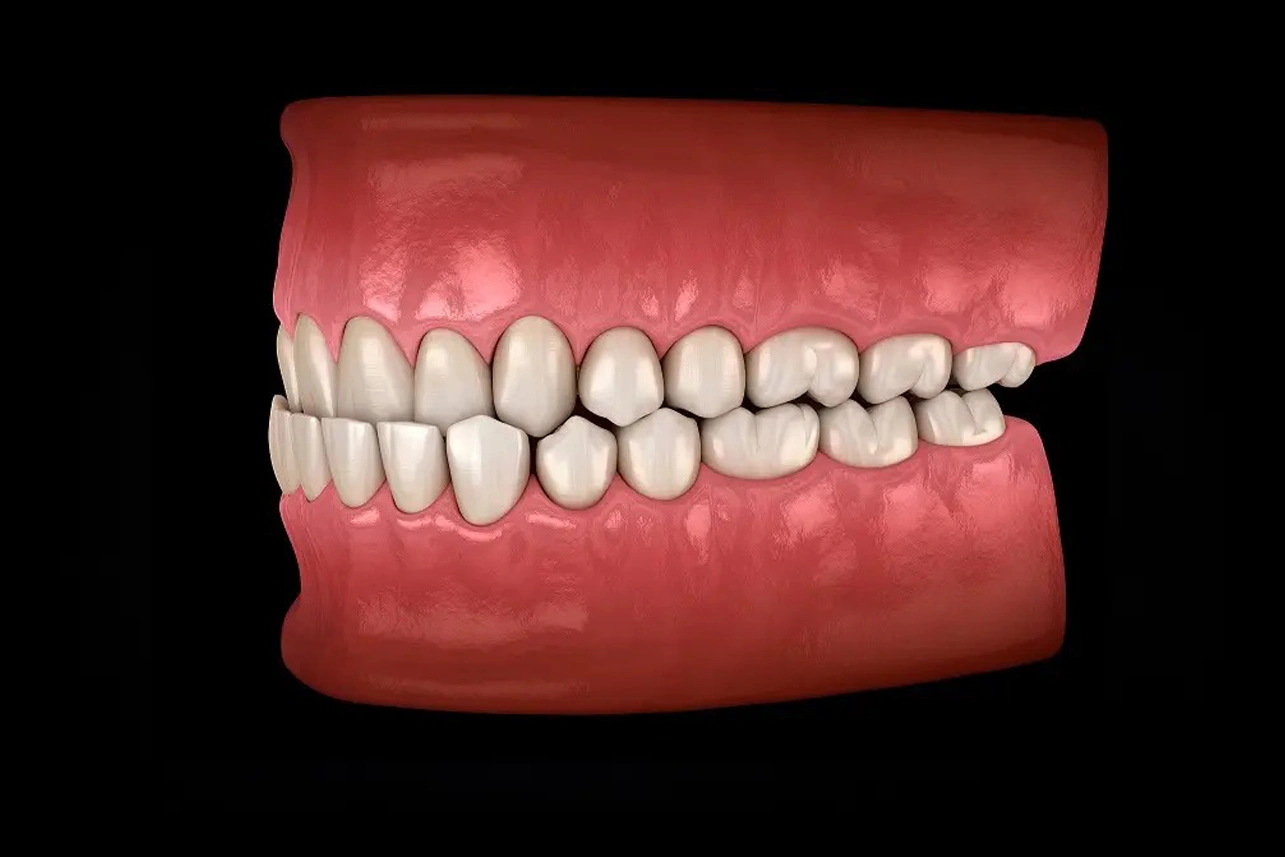
A captivating smile is often considered a universal language, but sometimes, dental issues like an underbite can affect the aesthetics and functionality of one’s smile. An underbite occurs when the lower teeth protrude beyond the upper teeth, causing an imbalance in the jaw structure. While genetics play a role in underbite development, it is not uncommon for environmental factors and habits to contribute to its progression. The good news is that there are several ways to address and fix an underbite. This comprehensive guide will explore various methods, from non-invasive orthodontic treatments to more complex surgical interventions.
Orthodontic Treatments To Reduce Underbite
- Braces: Traditional braces remain a reliable option for correcting underbites. They apply consistent pressure to move the teeth into the desired position. In the case of an underbite, braces aim to reposition the lower teeth backwards or the upper teeth forward, gradually aligning the jaw.
- Invisalign: For those seeking a more discreet option, Invisalign provides an alternative to traditional braces. These clear aligners are virtually invisible and custom-made to fit the patient’s teeth. Invisalign can be effective for mild to moderate underbites, offering a comfortable and aesthetically pleasing solution.
- Headgear: In certain cases, orthodontists may recommend headgear to correct an underbite. Headgear applies external force to the upper jaw, guiding it into the correct position relative to the lower jaw. While it may not be the most comfortable option, it can be highly effective, especially in growing children.
Surgical Interventions For Treating Underbite
- Jaw Surgery (Orthognathic Surgery): Orthognathic surgery may be recommended in more severe cases of underbite, especially when it is due to skeletal issues. This surgical procedure involves repositioning the upper or lower jaw, or both, to achieve proper alignment. Advances in surgical techniques and technology have made orthognathic surgery more precise and with reduced recovery times.
- Genioplasty: Also known as chin surgery, genioplasty focuses on reshaping the chin. This procedure can be performed alone or with jaw surgery to enhance facial symmetry and correct the underbite.
Non-Invasive Approaches To Treat Underbite
- Orthodontic Appliances: Beyond braces and Invisalign, various orthodontic appliances may be employed to address an underbite. These can include palate expanders, which widen the upper jaw, and bite blocks, which prevent the lower jaw from protruding excessively.
- Speech and Orthodontic Therapy: In cases where an underbite affects speech, a combination of speech therapy and orthodontic intervention may be recommended. This approach particularly benefits children with underbites, addressing both functional and aesthetic aspects.
Post-Treatment Considerations For Underbite Correction
Post-treatment care plays a pivotal role in preserving the results and ensuring the longevity of underbite correction. Here are some of the major post-treatment considerations for underbite correction:
Retainers: The Guardians Of Your Smile
Retainers are like the unsung heroes of orthodontic treatment. While braces or other appliances actively move your teeth into corrected positions, retainers are crucial in preventing regression. After the active phase of your underbite correction, your orthodontist will likely recommend using retainers. You may need to wear your retainers full time, even during sleep, for the first few months. Over time, your orthodontist will likely adjust the wearing schedule, and you may only need to wear them at night.
Just like your teeth, retainers can accumulate plaque and bacteria. Clean them regularly using a soft toothbrush and mild soap or orthodontic cleaner. When not in use, store your removable retainers in their case. Avoid exposing them to high temperatures, and never wrap them in tissue as it can lead to breakage or loss.
Regular Dental Check-Ups: Monitoring The Stability Of Correction
Post-treatment care involves a commitment to regular dental check-ups. These appointments are essential for monitoring the stability of the correction and addressing any emerging issues promptly. During these visits, your orthodontist will evaluate the condition of your teeth, bite, and jaw. In the first few months post-treatment, you may have more frequent check-ups to ensure the stability of the correction. As your orthodontist gains confidence in the stability of your correction, the frequency of visits may decrease.
Self-Monitoring: Your Role In Long-Term Success
While regular dental check-ups are crucial, you also play a significant role in maintaining the results of your underbite correction. If you notice any changes in your bite or the alignment of your teeth, it’s essential to promptly bring it to your orthodontist’s attention. Discomfort or pain in the jaw, especially during eating or speaking, should not be ignored. It could be an early sign of an issue. Maintain a robust oral hygiene routine. Clean teeth are less prone to shifting, and healthy gums contribute to the overall stability of your bite.
Addressing an underbite is about achieving a visually appealing smile and restoring proper function and balance to the jaw. The options available today cater to a wide range of underbite severities, from non-invasive orthodontic treatments to surgical interventions. Consulting with a qualified orthodontist or oral surgeon is the first step in determining your case’s most appropriate course of action. By taking proactive steps, you can embark on a journey to unlock your smile’s full potential, bringing confidence and harmony to every expression. The journey to fixing an underbite involves carefully considering various factors, from the degree of misalignment to the patient’s age and preferences. With advancements in orthodontic and surgical techniques, achieving a balanced and functional bite is more attainable than ever.