
Root canal treatment is a common dental procedure used to save a tooth that has become infected or severely damaged due to decay or injury. While root canals are often associated with adult dental care, children may also require this treatment to preserve their primary (baby) or permanent teeth. As a parent, it’s natural to be concerned about whether root canal treatment will be painful for your child. In this comprehensive guide, we’ll explore the factors that influence the experience of root canal treatment for children, discuss strategies for managing discomfort, and provide insights to help ease your child’s fears and anxiety about the procedure.
Understanding Root Canal Treatment for Children:
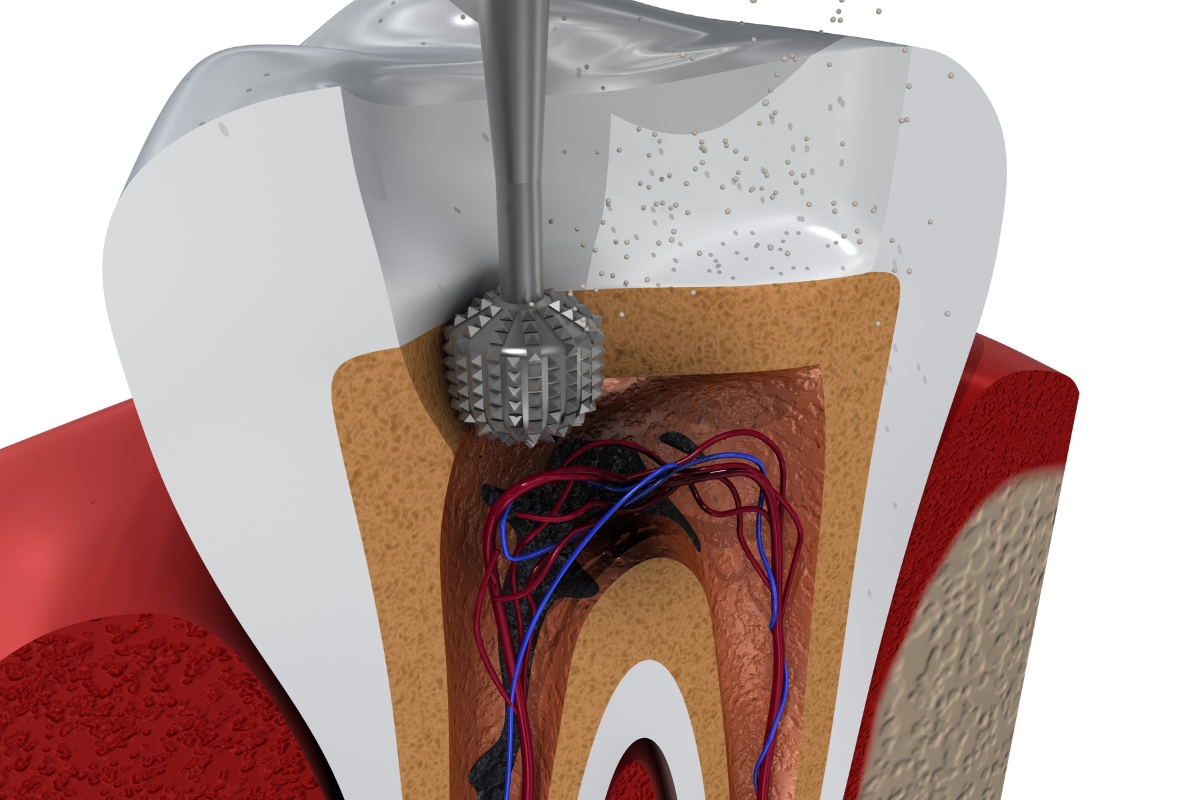
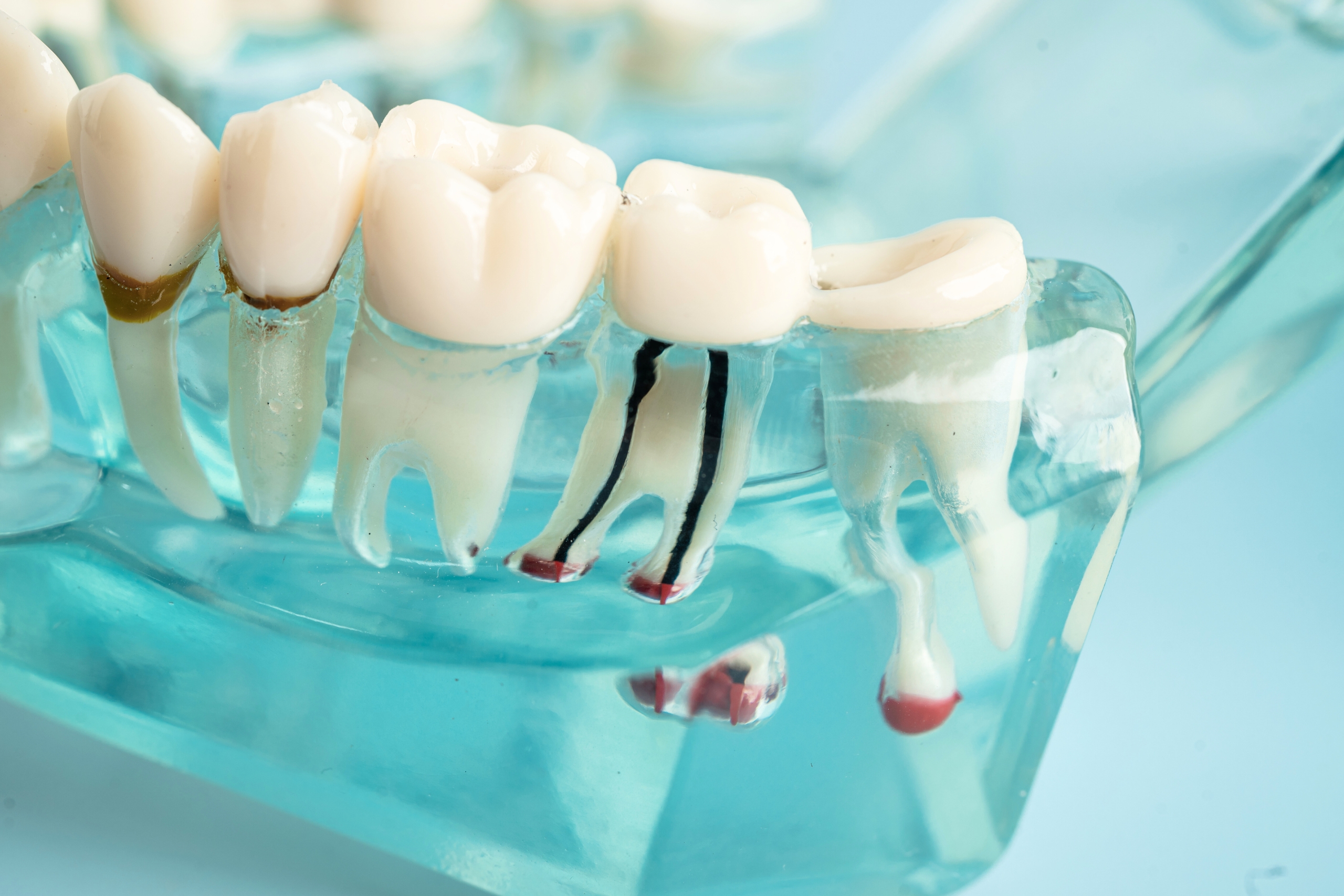
Root canal treatment, also known as endodontic therapy, involves removing infected or damaged tissue (pulp) from inside the tooth, cleaning and disinfecting the root canal system, and filling it with a biocompatible material to seal and protect the tooth from further infection. Root canals are typically recommended when a tooth’s pulp becomes inflamed or infected due to deep decay, trauma, or repeated dental procedures.
While root canal treatment may sound intimidating, especially for children, it’s important to understand that modern dental techniques and anesthesia methods have made the procedure much more comfortable and efficient than in the past. With proper anesthesia and sedation techniques, most children experience minimal discomfort during root canal treatment and can return to their normal activities shortly afterward.
Factors Affecting Pain Perception in Children:
Several factors can influence a child’s experience of pain during root canal treatment, including:
- Age and Developmental Stage: Younger children may have limited understanding of dental procedures and may be more fearful or anxious about the unknown. Older children, on the other hand, may be better able to understand and cope with the procedure.
- Previous Dental Experiences: Previous negative experiences or dental trauma can impact a child’s perception of dental treatment and may increase anxiety about future procedures.
- Severity of Infection or Damage: The severity of the tooth infection or damage can affect the level of discomfort experienced during root canal treatment. In some cases, children may experience pain or sensitivity due to the underlying infection before the procedure.
- Anesthesia and Sedation Techniques: The use of local anesthesia and sedation techniques can significantly reduce pain and discomfort during root canal treatment. Dentists may use topical anesthetic gels, local anesthesia injections, or nitrous oxide (laughing gas) to help children feel more comfortable and relaxed during the procedure.
- Dentist’s Skill and Communication: A skilled and compassionate dentist or pediatric endodontist who communicates clearly with the child and parents can help alleviate fears and anxiety about the procedure.
Strategies for Managing Discomfort During Root Canal Treatment:
While root canal treatment is generally well-tolerated by children, there are several strategies that can help manage discomfort and promote a positive experience:
- Open Communication: Encourage open communication between you, your child, and the dental team. Explain the procedure in age-appropriate language, answer any questions your child may have, and reassure them that the dentist will take good care of them.
- Distraction Techniques: Bring along comforting items such as a favorite toy, book, or electronic device to distract your child during the procedure. Some dental offices also offer amenities such as TVs or music to help children feel more relaxed.
- Deep Breathing and Relaxation: Practice deep breathing and relaxation techniques with your child before and during the procedure to help them stay calm and focused. Encourage them to take slow, deep breaths and visualize a peaceful place or activity they enjoy.
- Positive Reinforcement: Offer praise and positive reinforcement to your child for their bravery and cooperation during the procedure. Reward them with a small treat or special activity afterward to celebrate their courage.
- Post-Procedure Care: After root canal treatment, provide gentle care and attention to help your child recover comfortably. Offer soft foods and cool liquids to soothe any discomfort, and encourage them to rest and avoid vigorous activity for the remainder of the day.
Empowering Children Through Knowledge and Support
In conclusion, while the thought of root canal treatment may be daunting for children and parents alike, it’s important to remember that the procedure is generally well-tolerated and can provide significant relief from tooth pain and infection. By understanding the factors that influence a child’s experience of pain during root canal treatment and implementing strategies for managing discomfort, parents can help ease their child’s fears and anxiety about the procedure.
Encourage open communication, provide comforting distractions, and offer positive reinforcement to empower your child and support them through the process. With the guidance of a skilled and compassionate dental team, most children can undergo root canal treatment with minimal discomfort and return to their normal activities with a healthy, pain-free smile.