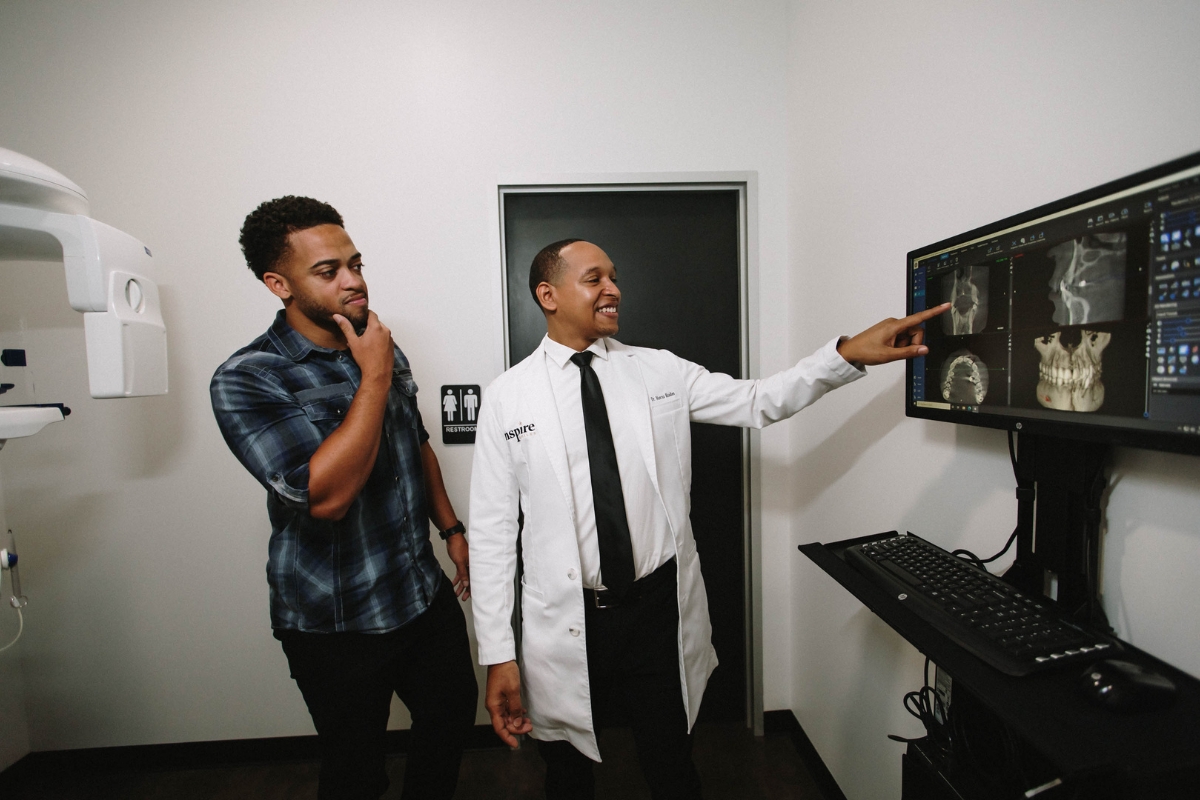

A dental emergency can be a frightening experience, even for those who don’t typically experience dental anxiety. The sudden pain, discomfort, and unexpected situations can trigger fear and make it difficult to sit still in the dentist’s chair. But what if there were ways to manage that anxiety and ensure you receive the necessary treatment comfortably?
This blog explores the role of anesthesia in managing dental anxiety during emergency dental visits. By understanding the different types of anesthesia available and their effects, you can feel more empowered and prepared in the event of a dental emergency.
Facing the Unexpected: Dental Emergencies and Anxiety
Dental emergencies can strike at any time, causing unexpected pain and disruption. Common emergencies include:
- Severe toothaches
- Knocked-out teeth
- Abscesses
- Broken teeth or fillings
- Facial trauma
These situations often require immediate attention from an Emergency Dentist. However, dental anxiety can create a barrier to receiving necessary treatment. Fear of pain, needles, or the unfamiliar environment can make the whole experience overwhelming.
Calming the Nerves: The Role of Anesthesia in Emergency Dentistry
Fortunately, modern dentistry offers various anesthesia options to help manage anxiety during emergency dental procedures. Here’s a breakdown of some common types:
Local Anesthesia:
- This is the most commonly used form of anesthesia in dentistry.
- A local anesthetic numbs a specific area of the mouth, allowing the dentist to perform the procedure comfortably for the patient.
- Local anesthesia is typically administered with a small injection near the treatment site.
Nitrous Oxide (Laughing Gas):
This mild sedative is inhaled through a mask and induces a sense of relaxation and lightheadedness. While still conscious, patients often feel less anxious and experience a reduced perception of pain. Nitrous oxide wears off quickly, allowing patients to recover and drive themselves home after the procedure.
Oral Sedation:
This involves taking medication orally before the procedure. Oral sedation can induce a deeper state of relaxation, making patients less aware of their surroundings and reducing anxiety significantly. However, patients taking oral sedation might require a driver to take them home after the procedure.
Intravenous (IV) Sedation:
In some cases, particularly with severe anxiety or complex procedures, intravenous (IV) sedation might be used. This method involves administering medication directly into a vein, leading to a deeper level of sedation or even a sleep-like state. IV sedation typically requires monitoring by an anesthesiologist and may require additional recovery time after the procedure.
Choosing the Right Anesthesia Option for You
The best type of anesthesia for you will depend on several factors, including:
- The severity of your dental emergency
- The complexity of the procedure
- Your level of dental anxiety
- Your overall medical health
During your emergency dental visit, the dentist will discuss your options and recommend the most appropriate type of anesthesia based on your individual needs and concerns.
A Calmer, More Comfortable Experience: Benefits of Anesthesia
Using anesthesia during an emergency dental procedure can offer several benefits:
- Reduced anxiety and fear
- Decreased pain perception
- Increased comfort during the procedure
- Improved ability to tolerate complex procedures
Ultimately, utilizing anesthesia allows you to receive essential dental care comfortably during a stressful time.
Seeking Help When Needed: Don’t Let Anxiety Delay Treatment
Dental emergencies are stressful, but they don’t have to be overwhelming. With the help of an Emergency Dentist and the right anesthesia option in Richmond, TX, you can receive the treatment you need while managing your anxiety effectively. Remember, delaying emergency dental treatment can worsen the situation. Don’t hesitate to seek help when needed.