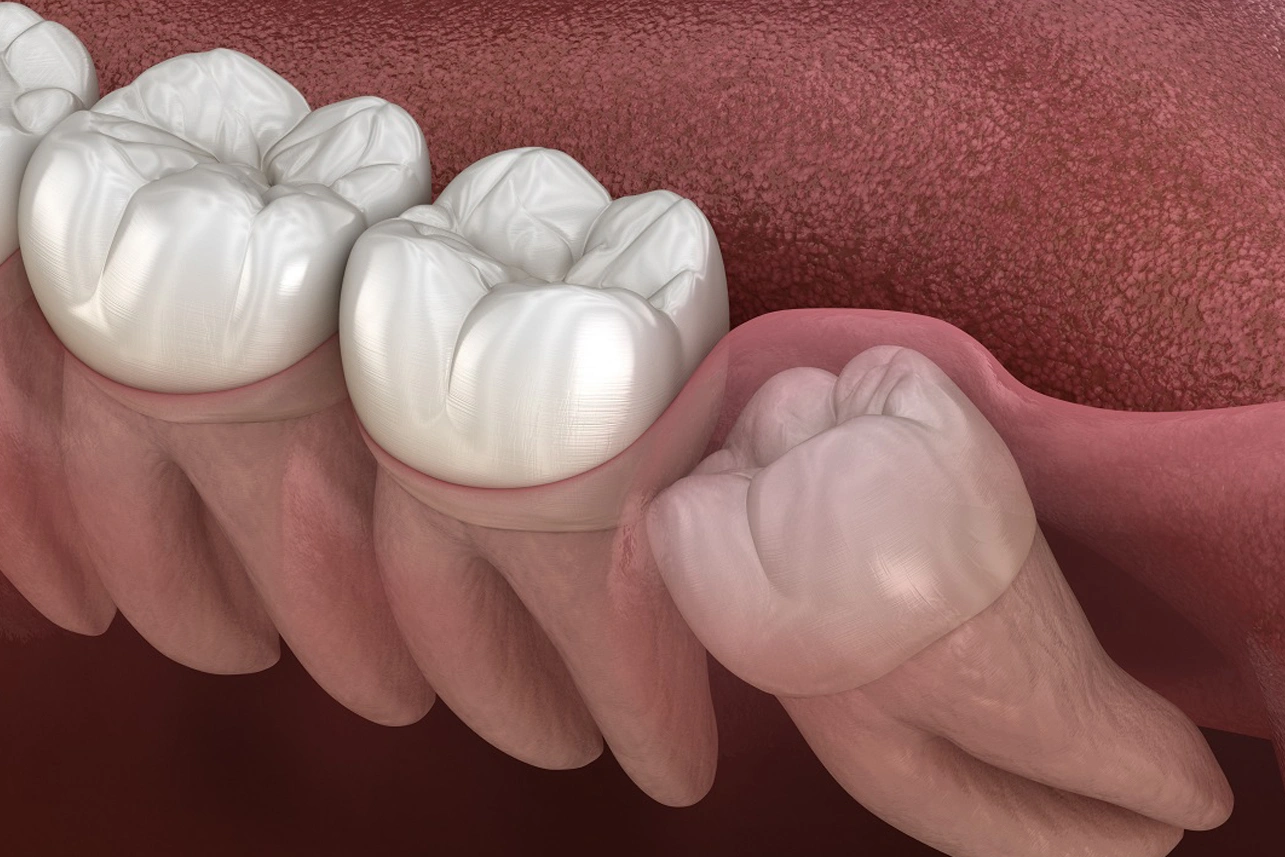

Having bad breath, also known as halitosis, can be embarrassing and affect your confidence in social situations. While occasional bad breath is normal, persistent unpleasant odors can indicate underlying oral health issues. Here, we’ll explore five effective ways to prevent and treat bad breath, all with the guidance of your dentist.
Brushing and Flossing: The Foundation of Fresh Breath
Regular brushing and flossing are the cornerstones of good oral hygiene and fresh breath. Brushing twice a day for two minutes each time removes food particles, plaque, and bacteria that can contribute to bad breath. Flossing once a day reaches areas between teeth that your toothbrush can’t, removing trapped food debris and preventing bacterial buildup.
Focus on Technique
Ask your dentist for personalized brushing and flossing techniques to ensure you’re effectively cleaning all surfaces of your teeth.
Choose the Right Tools
Use a soft-bristled toothbrush and fluoride toothpaste to remove plaque and freshen breath. Consider using a tongue scraper to remove bacteria from the tongue’s surface, another source of bad breath.
See Your Dentist for Regular Checkups and Cleanings
Regular dental checkups and cleanings are crucial not only for preventing bad breath but also for maintaining overall oral health. During a checkup, your dentist will examine your mouth for signs of gum disease, cavities, or other problems that could contribute to bad breath. Professional cleanings remove plaque and tartar buildup, which brushing and flossing alone may not reach.
Schedule Regular Appointments
Aim for dental checkups and cleanings every six months, or as recommended by your dentist.
Discuss Bad Breath Concerns
Be open with your dentist about your bad breath concerns. They can identify the underlying cause and recommend the appropriate treatment.
Address Dry Mouth
Dry mouth occurs when your mouth doesn’t produce enough saliva, leading to a dry and unpleasant feeling in your mouth. Saliva plays a vital role in washing away food particles and bacteria that cause bad breath.
Stay Hydrated
Drinking plenty of water throughout the day helps keep your mouth moist and reduces bad breath.
Limit Dry Mouth-Causing Foods
Certain medications, caffeine, and alcohol can contribute to dry mouth. Avoiding these can help.
Talk to Your Dentist About Dry Mouth Remedies
Your dentist can recommend oral rehydration solutions, sugar-free gum, or other products to stimulate saliva production.
Dietary Habits and Bad Breath
Certain foods, such as garlic, onions, and strong cheeses, can cause temporary bad breath due to the volatile compounds they contain.
Be Mindful of Strong-Flavored Foods
If you know certain foods contribute to your bad breath, avoid them before important social situations.
Maintain a Healthy Diet
Eating a balanced diet rich in fruits, vegetables, and whole grains promotes good oral health and healthy breath.
Consider Underlying Medical Conditions
In some cases, bad breath can be a symptom of an underlying medical condition, such as chronic sinus infections, acid reflux, or diabetes.
Medical Conditions and Bad Breath
Consult your dentist or doctor if you suspect a medical condition might be causing your bad breath.
Fresh Breath with Confidence
By following these tips and working with your trusted dentist in Richmond TX, you can effectively prevent and treat bad breath, boosting your confidence and ensuring a fresh, healthy smile. Remember, consistent oral hygiene habits, regular dental visits, and addressing any underlying issues are key to achieving lasting fresh breath.