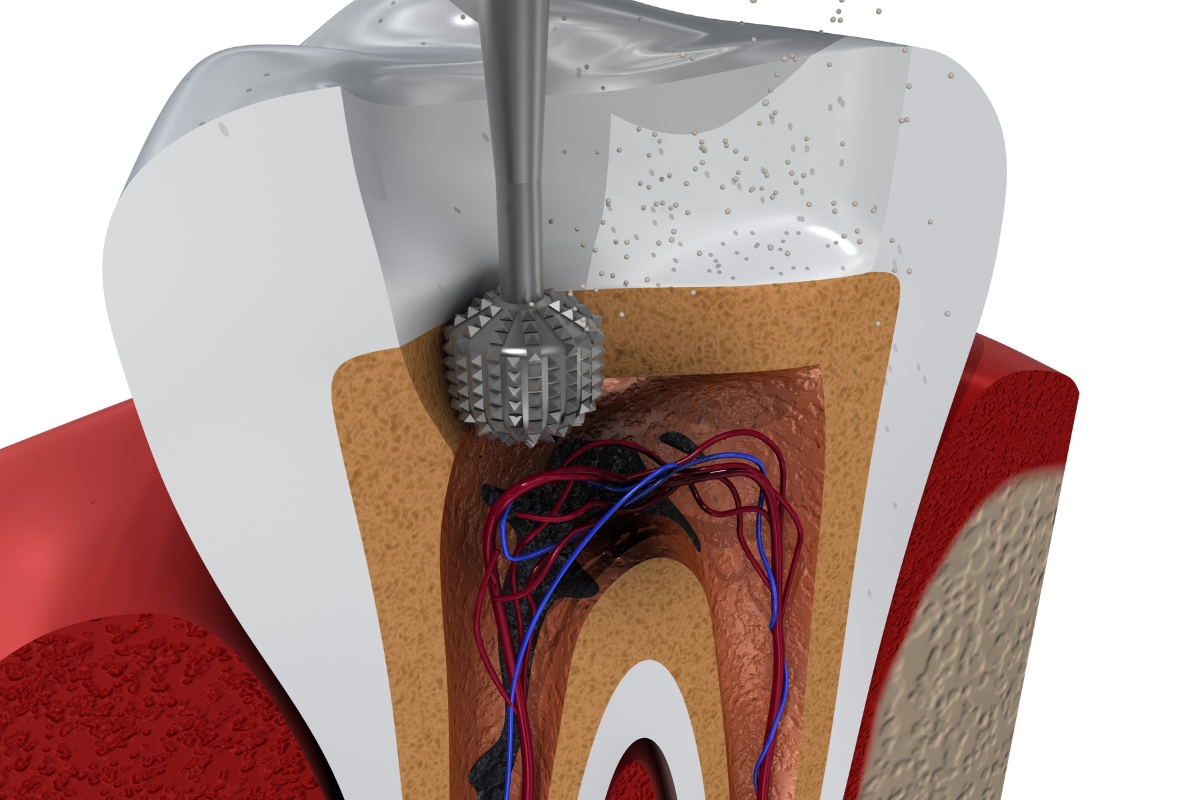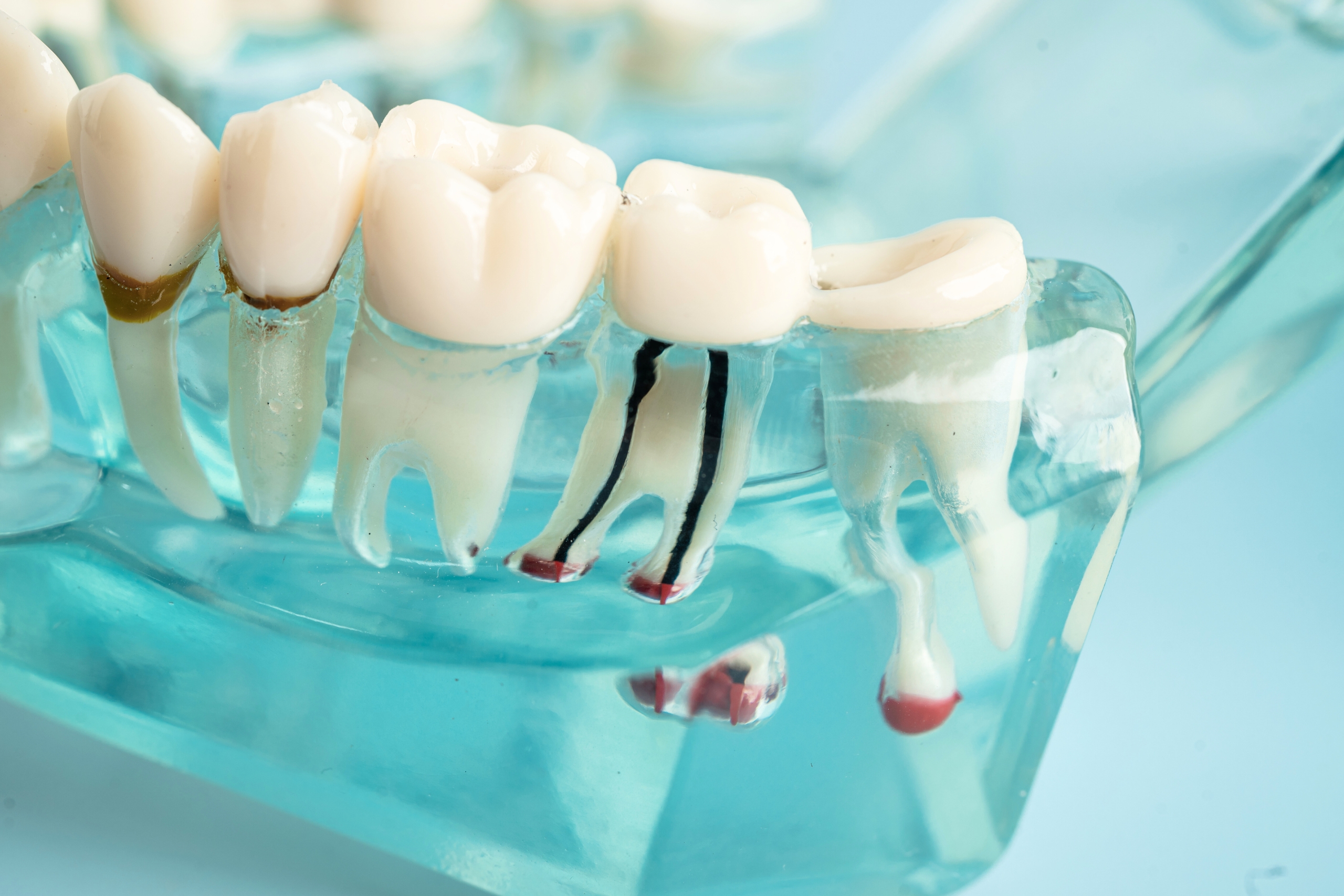

Toothaches can be a nuisance, but they shouldn’t be ignored. In some cases, a toothache can signal a deeper problem within the tooth, pointing towards the need for a root canal. A root canal is a dental procedure that removes infected pulp from the inside of the tooth, preserving the tooth itself. Early diagnosis and treatment are crucial for a successful root canal and to prevent further complications.
Here are 5 common signs that you might need a root canal:
1. Persistent Pain:
Tooth pain is a telltale sign that something is wrong. Root canal pain can be persistent, throbbing, or sharp and stabbing. It may linger for extended periods, even after the source of the pain (hot or cold food) is removed. Pain can also be radiating, affecting your jaw, ear, or even your head.
2. Hot or Cold Sensitivity:
Lingering sensitivity to hot or cold beverages is another indicator of potential root canal trouble. Normally, the discomfort from hot or cold subsides quickly. But with a root canal issue, the sensitivity persists for a long time after consuming the hot or cold food or drink.
3. Pressure Sensitivity:
Does chewing cause pain in a particular tooth? Chewing applies pressure to the tooth, and if the pulp is infected or inflamed, this pressure can be excruciating. Pain while biting down or chewing can be a strong sign that a root canal is necessary.
4. Tooth Discoloration:
A change in the color of your tooth can be a warning sign of a dead or dying nerve within the tooth. The tooth may darken or become grayish/brownish. This discoloration occurs because the blood supply to the tooth is compromised, affecting its natural color.
5. Gum Issues:
Swollen, tender, or irritated gums around a specific tooth can indicate an infection in the root. An abscess, a pus-filled bump on the gum near the tooth, is a particularly strong indicator of a root canal necessity. In some cases, the abscess may even drain pus, causing bad breath and an unpleasant taste in your mouth.
Other Symptoms to Consider:
While the above five signs are common, there can be other indicators of root canal trouble. These include:
- A chipped or cracked tooth: This can expose the pulp to bacteria, increasing the risk of infection.
- Loose tooth: This can be a sign of an advanced infection that has weakened the bone supporting the tooth.
- Facial swelling: In severe cases, an infection can spread, causing facial swelling.
What to Do if You Experience These Signs:
If you experience any of these signs, it’s crucial to schedule an appointment with your dentist as soon as possible. Early diagnosis and treatment of a root canal problem can save your tooth and prevent further complications. During the appointment, your dentist will perform a thorough examination, including X-rays, to determine the cause of your symptoms and recommend the appropriate course of treatment.
Root Canal Treatment:
A root canal is a routine dental procedure performed by a dentist or endodontist (a root canal specialist). The dentist will numb the area around the tooth, then create a small opening in the tooth to access the infected pulp. The infected pulp is removed, and the inside of the tooth is cleaned and disinfected. In some cases, medication may be placed inside the tooth to combat infection. The opening is then sealed with a filling, and depending on the condition of the tooth, a crown may be recommended to restore strength and functionality.
Taking Care of Your Teeth:
Proper oral hygiene is essential for preventing the need for root canals. Brushing your teeth twice a day, flossing daily, and scheduling regular dental checkups and cleanings can significantly reduce your risk of tooth decay, infection, and the need for root canals.
Ignoring a potential root canal problem can lead to serious consequences, including tooth loss, jawbone infection, and even systemic health problems. If you experience any of the signs mentioned above, don’t hesitate to schedule an appointment with your dentist. Early intervention can save your tooth and prevent future complications. By practicing good oral hygiene and attending regular dental checkups, you can minimize your risk of needing a root canal and keep your smile healthy for years to come.