
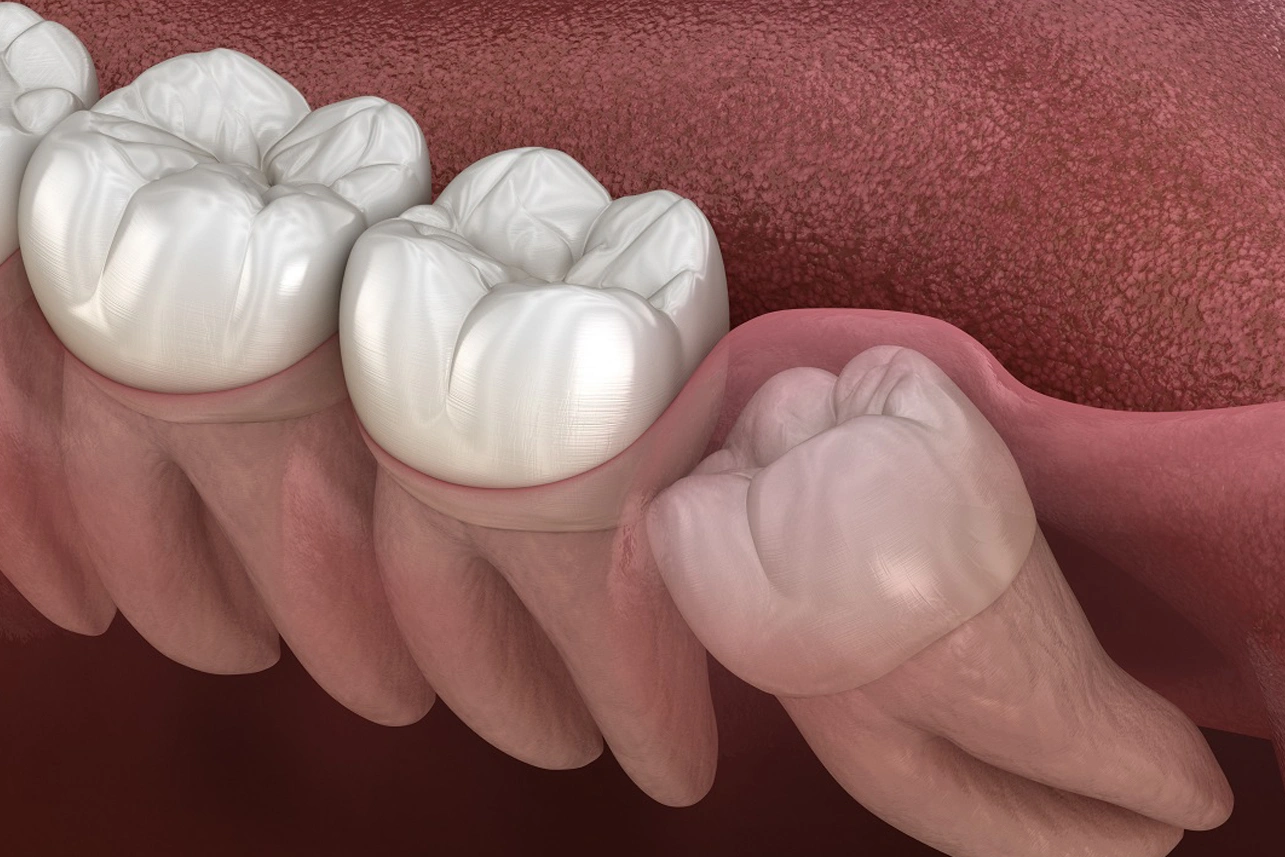
Wisdom tooth cavities can be a real pain—literally and figuratively. If you’ve ever experienced discomfort or swelling at the back of your mouth, your wisdom teeth might be the culprit.
These late-arriving molars often face unique challenges, including limited space and difficulty cleaning, making them more susceptible to cavities.
But don’t worry, you have options! From fillings to extractions, treating wisdom tooth cavities involves a variety of approaches tailored to your specific needs.
This blog will guide you through the best treatment options available, helping you make informed decisions for maintaining your oral health. We’ll explore everything from what each treatment entails to tips for preventing future issues.
Ready to get a clearer picture? Read on and uncover how you can tackle those troublesome wisdom tooth cavities effectively!
Wisdom Tooth Cavities: Essential Insights for Treatment
Wisdom tooth cavities are a common issue due to the unique positioning of these molars. These teeth often arrive later in life and can become problematic because they are harder to reach and clean. As a result, they are more prone to cavities and other dental issues. Understanding why these cavities occur and the specific challenges involved in treating them can help you manage your oral health more effectively.
- Why Cavities Develop: Wisdom teeth are often positioned in the back of the mouth, making them difficult to clean properly. Their late eruption can also create space issues, leading to misalignment and trapping of food particles.
- Treatment Challenges: The position of wisdom teeth can complicate treatment. They might be partially erupted or impacted, making it harder to apply standard cavity treatments and increasing the risk of more severe dental problems.
Spotting Trouble: How to Identify Cavities in Wisdom Teeth?
Recognizing symptoms of cavities in wisdom teeth early can prevent more serious issues down the road. Here’s what to look out for and how to distinguish wisdom tooth pain from other types of dental discomfort.
- Key Indicators: Common signs include persistent pain at the back of the mouth, sensitivity to hot or cold foods, and visible discoloration or holes in the tooth. You may also notice bad breath or a bad taste in your mouth.
- Pain and Discomfort: Wisdom tooth pain often feels different from regular toothaches. It might be dull or sharp and can sometimes radiate to other areas, such as the jaw or ear.
Effective Solutions for Wisdom Tooth Cavities
When it comes to treating wisdom tooth cavities, there are several effective options available. Each treatment approach has its own benefits and is suited to different stages of decay.
- Fillings: Ideal for early-stage cavities, fillings restore the tooth’s structure and function. This is a straightforward procedure where the decayed part is removed and filled with a durable material.
- Crowns: For more extensive decay, crowns provide a protective cover over the tooth, restoring its shape and strength. This treatment is usually considered when a large portion of the tooth is affected.
- Root Canals: If the decay has reached the tooth’s pulp, a root canal might be necessary. This involves removing the infected pulp, cleaning the root canals, and sealing them to prevent further infection.
- Extraction: In severe cases where the tooth is too damaged, tooth extraction might be the best solution. This involves removing the tooth entirely and is often recommended if the tooth is impacted or causing significant problems.
Choosing the Best Treatment: Making an Informed Decision
Selecting the right treatment for wisdom tooth cavities depends on several factors. Understanding the benefits and drawbacks of each option can help you make the best choice for your dental health.
- Comparing Options: Fillings are great for early decay but may not suffice for extensive damage. Crowns offer protection but require more preparation. Root canals are thorough but involve more extensive procedures, while extractions are a last resort but can resolve persistent issues.
- Factors to Consider: Consider the extent of decay, your overall dental health, and personal preferences when deciding on treatment. Discussing these factors with your dentist will help tailor the best approach for you.
When to Seek Professional Advice?
Knowing when to consult a dental professional is crucial for managing wisdom tooth cavities effectively. Regular check-ups can help catch issues early and prevent more serious problems.
- Signs for Professional Help: If you experience persistent pain, swelling, or noticeable decay, it’s time to see a dentist. Early intervention can prevent complications and ensure more effective treatment.
- Importance of Check-Ups: Regular dental visits allow your dentist to monitor the health of your wisdom teeth and address any issues before they escalate. Consistent check-ups are key to maintaining good oral health and avoiding major procedures.
Wisdom tooth cavities may seem daunting, but understanding your treatment options can make all the difference. Whether it’s a simple filling or a more involved procedure like extraction, timely intervention is key to preserving your oral health. Keep an eye out for symptoms and consult with your dentist regularly to ensure your wisdom teeth don’t become a bigger issue. Taking proactive steps today can lead to a healthier, pain-free smile tomorrow.