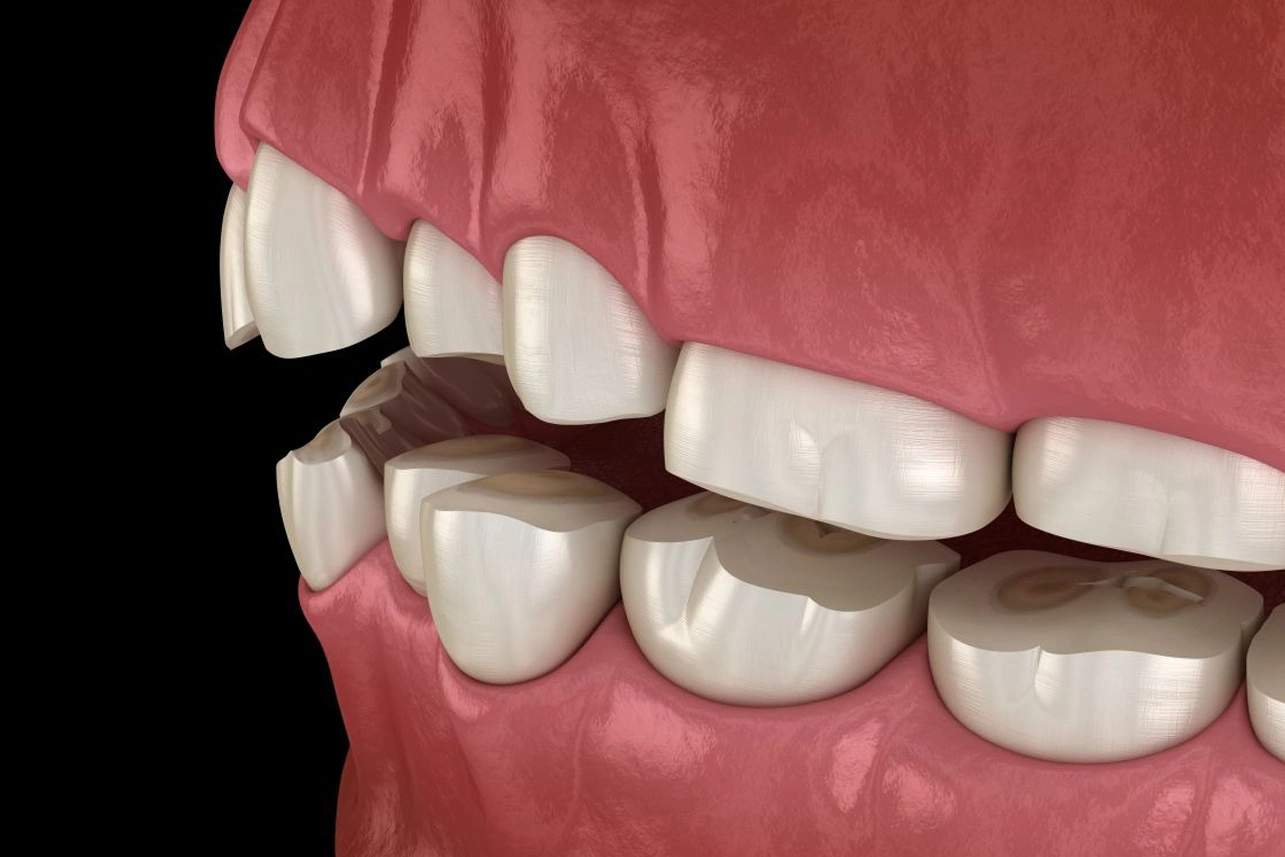

Nighttime tooth pain can turn a peaceful evening into a restless battle against discomfort. If you’ve ever tossed and turned, wishing for relief, you know just how frustrating this experience can be. The quiet of the night amplifies every twinge and ache, making it feel impossible to find a moment of peace. Don’t worry; you’re not alone! Many people face this issue, and understanding what causes it can help you take the first steps toward learning about the remedies for tooth pain.
Common culprits include tooth decay, gum disease, and even habits like teeth grinding. Luckily, you don’t have to suffer in silence.
In this blog, we’ll explore effective home remedies that can provide instant relief from tooth pain. From simple saltwater rinses to the soothing properties of clove oil, you’ll discover remedies that are easy to implement and incredibly effective.
Say goodbye to sleepless nights and hello to comfort! Let’s explore these remedies for reclaiming your evenings and promoting better dental health.
Common Causes of Tooth Pain
Tooth pain at night can arise from several common dental issues. Understanding these causes can help you take the right steps toward relief. Here are some key contributors to nighttime tooth pain:
- Tooth Decay: Cavities can develop over time due to poor oral hygiene or sugary diets. As decay worsens, the pain can intensify, especially at night when you’re more aware of it.
- Gum Disease: Inflammation of the gums can lead to discomfort, particularly when lying down. Bacteria can thrive in the mouth overnight, making symptoms worse.
- Teeth Grinding (Bruxism): Many people grind their teeth in their sleep due to stress or misaligned teeth. This pressure can lead to significant pain and sensitivity.
These issues often worsen at night when you’re relaxed, making you more sensitive to discomfort. If you frequently wake up with tooth pain, addressing these underlying problems is crucial.
Saltwater Rinse
A saltwater rinse is a simple yet effective remedy for tooth pain. It reduces inflammation, promotes healing, and can help with bacteria in the mouth. Here’s how to prepare and use a saltwater rinse:
- Ingredients: Mix 1 teaspoon of salt in 8 ounces of warm water.
- Preparation: Stir the salt until it dissolves completely.
- Usage: Swish the solution around your mouth for 30 seconds, focusing on the painful areas. Spit it out and repeat 2-3 times daily, especially before bedtime.
This rinse can soothe discomfort and help your gums heal, making it a great option for nighttime relief.
Cold Compress
Using a cold compress is another effective way to manage tooth pain. It numbs the affected area and reduces swelling. Here’s how to apply it properly:
- Preparation: Wrap ice cubes in a clean cloth or use a commercial cold pack.
- Application: Place the compress on the outside of your cheek, directly over the painful area. Hold it there for 15-20 minutes.
- Repetition: Take breaks between applications, allowing your skin to return to normal temperature.
The cold helps numb the pain and can alleviate swelling caused by inflammation, offering quick relief during the night.
Over-the-Counter Pain Relievers
Over-the-counter (OTC) pain relievers like ibuprofen and acetaminophen can provide temporary relief from tooth pain. Here’s how to use them safely:
- Ibuprofen: Follow the dosage instructions on the label. Generally, adults can take 200-400 mg every 4-6 hours. Avoid exceeding 1200 mg in a day without a doctor’s guidance.
- Acetaminophen: Adults can take 500-1000 mg every 4-6 hours, with a maximum of 3000 mg per day. Always read the label for specific instructions.
These medications can help alleviate pain until you can see a dentist. However, be cautious with long-term use and consult a healthcare professional if the pain persists.
Clove Oil Application
Clove oil has natural analgesic properties that make it a popular remedy for tooth pain. Here’s how to use it effectively:
- Preparation: Obtain pure clove oil from a pharmacy or health store.
- Application: Soak a cotton ball in clove oil. Apply it directly to the affected tooth or gums. Leave it on for 10-15 minutes.
- Repetition: You can repeat this process a few times a day, especially before bed.
Peppermint Tea Bags
Peppermint tea bags can also provide soothing relief for tooth pain. The menthol in peppermint has natural anesthetic properties. Here’s how to use peppermint tea bags:
- Preparation: Brew a cup of peppermint tea. Allow the tea bag to steep for 5-10 minutes.
- Application: Once cooled, place the warm tea bag on the affected area for 20-30 minutes.
- Repetition: Use this remedy 2-3 times a day for ongoing relief.
Hydrogen Peroxide Rinse
Hydrogen peroxide is an excellent antibacterial agent that can help with tooth pain and promote oral health. Here’s how to use it safely:
- Preparation: Dilute 3% hydrogen peroxide with equal parts water to make a rinse.
- Usage: Swish the mixture around your mouth for about 30 seconds, then spit it out. Avoid swallowing.
- Repetition: Use this rinse once or twice a day, but not more than that, to avoid irritation.
When to See a Dentist?
While home remedies for tooth pain can provide temporary relief, some signs indicate it’s time to see a dentist. Keep an eye out for:
- Persistent Pain: If your tooth pain lasts more than a couple of days, it’s essential to seek professional help.
- Swelling: Severe swelling in your gums or face may signal an infection.
- Fever: If you develop a fever alongside tooth pain, it may indicate a serious issue.
- Difficulty Eating: If tooth pain prevents you from eating or sleeping, it’s time to consult a dentist.