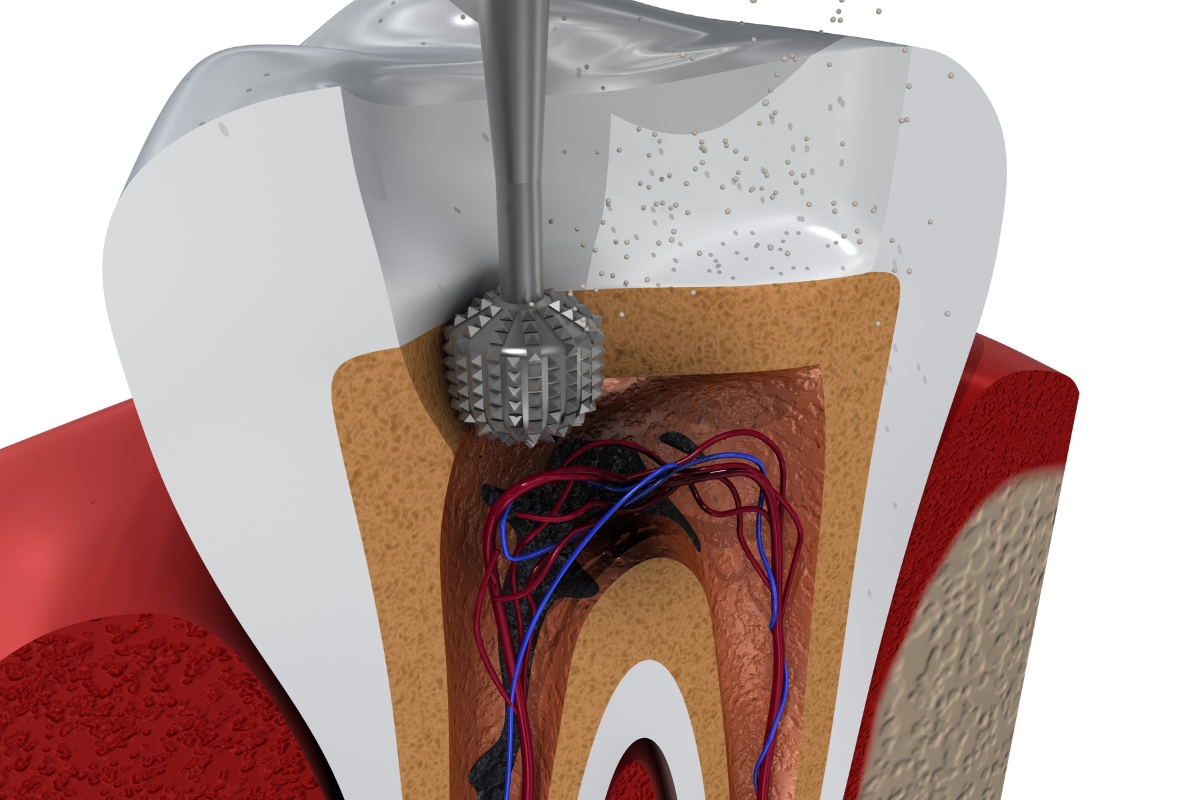
After a root canal treatment, many people expect to feel relief from their dental pain. However, some may experience unexpected symptoms, such as a jaw infection. Understanding the signs of a jaw infection is crucial.
Early detection can prevent serious complications and lead to a smoother recovery. So, how can you tell if something’s not quite right?
In this blog, we’ll dive into the common symptoms of jaw infections following root canal treatments. You’ll learn what to look for, when to seek help, and the importance of staying proactive about your dental health.
By recognizing these signs early, you can take action and protect your smile. Let’s explore how to keep your mouth healthy and avoid complications after a root canal!
Jaw Infections: How It Can Happen After A Root Canal?
A jaw infection can develop when bacteria invade the tissues surrounding the jawbone after a root canal. This infection may arise for several reasons, often linked to complications from the procedure.
- Incomplete Removal of Infection: If the dentist does not fully remove all the infected tissue during root canal therapy, bacteria can linger and multiply.
- Cracks or Fractures: Sometimes, small cracks in the tooth or surrounding bone can allow bacteria to enter, leading to infection.
- Cysts or Abscesses: A pre-existing cyst or abscess that wasn’t addressed during the root canal can also become a source of infection.
- Poor Oral Hygiene: Neglecting post-treatment care can lead to bacteria buildup, increasing the risk of infections.
Understanding how a jaw infection can occur after root canal therapy in Richmond helps you take proactive steps in your recovery. Early detection and intervention are key to a successful healing process.
Common Symptoms of Jaw Infection
Recognizing the symptoms of a jaw infection is essential for timely treatment. Here are some signs that may indicate an issue:
- Swelling in the Jaw or Face: Noticeable swelling around the affected area often signals infection.
- Persistent Pain: A throbbing or constant pain that doesn’t improve with over-the-counter painkillers may indicate a problem.
- Fever and Chills: Fever often accompanies infections, indicating your body is fighting an illness.
- Difficulty Opening the Mouth: Pain or stiffness when trying to open your mouth can signal an underlying infection.
- Bad Taste or Odor in the Mouth: An unpleasant taste or smell may indicate pus accumulation from an infection.
If you notice any of these symptoms, don’t hesitate to consult your dentist. Early action can prevent more serious complications down the line.
When to Seek Medical Attention?
Timely intervention is vital when dealing with potential jaw infections. Recognizing when to seek help can make all the difference in your recovery.
- Severe Pain: If your pain escalates and becomes unbearable, it’s time to see a dentist.
- Swelling: Rapid swelling in the jaw or face that worsens over a short period requires immediate attention.
- Persistent Symptoms: If you experience symptoms like fever, chills, or a bad taste for more than a few days, consult a healthcare provider.
- Difficulty Breathing or Swallowing: If you find it hard to breathe or swallow, seek emergency medical care right away.
Remember, your health matters. Don’t wait for symptoms to worsen; act promptly and keep your dental health in check.
Diagnosis of Jaw Infection
When it comes to diagnosing a jaw infection, dentists employ various methods to ensure accurate detection.
- Clinical Examination: The dentist will start with a thorough physical examination of your mouth and jaw.
- Medical History: Discussing your symptoms and treatment history helps the dentist understand potential complications.
- Imaging Techniques: Dentists often use X-rays or CT scans to visualize the bone structure and identify any abscesses or areas of infection.
- Pus Cultures: In some cases, your dentist may take a sample of any pus present to identify the specific bacteria causing the infection.
These diagnostic steps are crucial for developing an effective treatment plan tailored to your needs.
Treatment Options for Jaw Infection
If you develop a jaw infection, several treatment options are available to help you recover effectively.
- Antibiotics: Your dentist may prescribe antibiotics to eliminate the bacterial infection.
- Drainage Procedures: If an abscess forms, drainage may be necessary to remove pus and relieve pressure.
- Follow-Up Care: Regular check-ups after your root canal treatment ensure that any complications are addressed promptly.
- Pain Management: Over-the-counter pain relievers may help manage discomfort as the infection resolves.
Discuss your options with your dentist to ensure you receive the most appropriate care for your condition.
Preventing Jaw Infections After a Root Canal
Maintaining oral hygiene after a root canal is crucial for preventing jaw infections. Here are some effective strategies:
- Follow Post-Treatment Instructions: Adhere to your dentist’s care recommendations to promote healing.
- Maintain Good Oral Hygiene: Brush and floss regularly to keep bacteria at bay.
- Avoid Hard or Crunchy Foods: Give your jaw time to heal by avoiding hard foods that can strain the area.
- Regular Dental Check-Ups: Schedule routine visits with your dentist to monitor your oral health and catch potential issues early.
Your oral health is vital, especially after a root canal. Being aware of the symptoms of a jaw infection can make a significant difference in your recovery. If you experience any concerning signs, seek professional help promptly. Remember, maintaining good oral hygiene and regular dental check-ups can prevent complications and keep your smile healthy. Prioritize your dental care, and don’t hesitate to reach out to your dentist with any questions or concerns!