
A tooth infection might seem like a minor issue at first, but it can quickly become a major health concern if left untreated. Most people don’t realize how fast bacteria from an infected tooth can spread, leading to serious complications that affect the whole body.
While a simple toothache can be annoying, the risk of infection spreading to other organs is something no one should ignore. If you’ve ever wondered how a dental problem can turn into something much more dangerous, you’re in the right place.
Recognizing the symptoms of a tooth infection spreading to the body is crucial to preventing severe health issues. The sooner you catch the signs, the easier it is to prevent the infection from doing more damage.
In this blog, we’ll explore the common symptoms that indicate an infection might be spreading, how it happens, and why it’s essential to seek timely dental treatment. Stay with us as we guide you through the warning signs, so you can act fast and keep your health in check!
What Causes Tooth Infections?
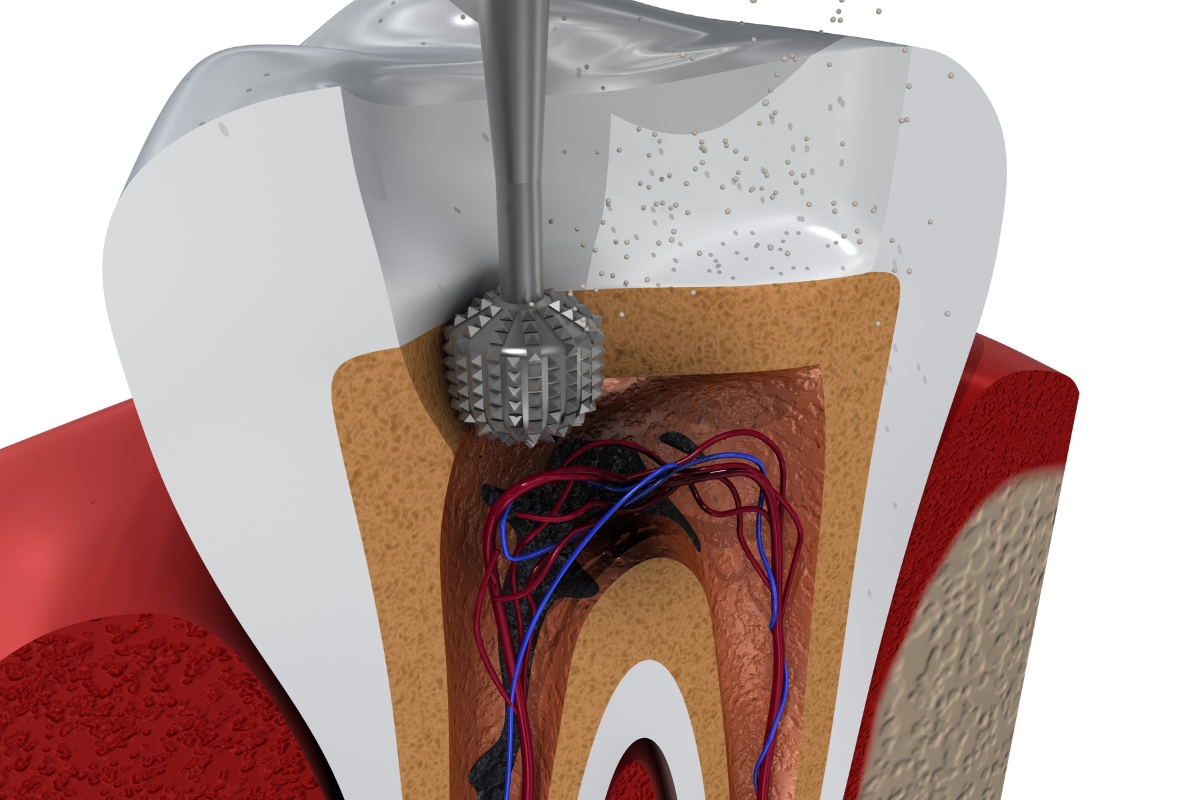
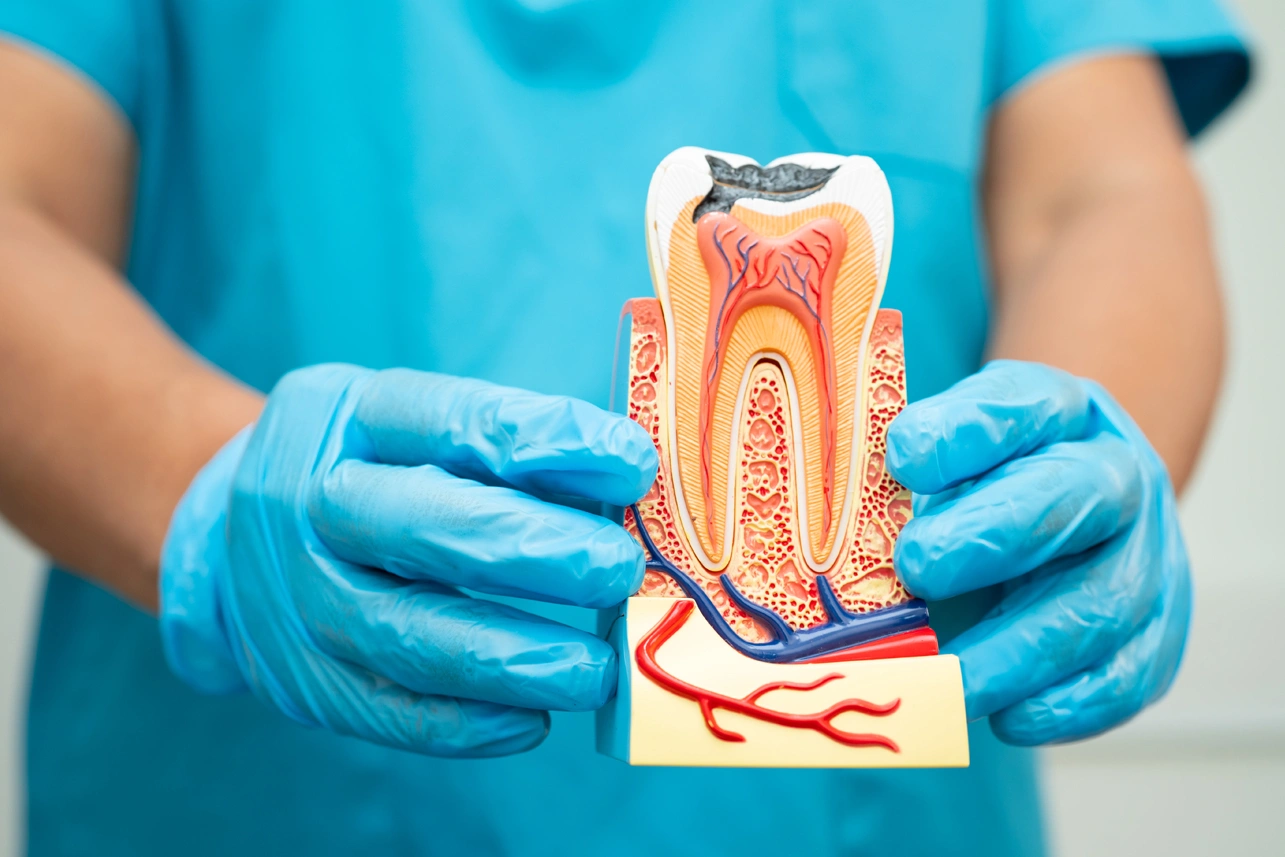
A tooth infection typically begins when bacteria enter the tooth through cavities, cracks, or gum disease. Once inside, the bacteria can multiply, leading to an infection that may worsen over time. If untreated, this infection can form an abscess—a painful collection of pus at the root of the tooth. Bacteria from the infection can enter the bloodstream, causing more serious health concerns.
- Cavities are a major cause, allowing bacteria to penetrate the tooth.
- Gum disease can create pathways for bacteria to travel deeper into the tooth.
- Cracks or trauma to the tooth may provide an entry point for bacteria.
- Untreated infections can spread to the jaw, face, or other organs.
- Poor oral hygiene, untreated cavities, and existing gum disease are common risk factors.
Understanding the causes is the first step in preventing symptoms of tooth infection from worsening and spreading throughout your body.
Early Signs of Tooth Infection Spreading
When a tooth infection begins to spread, your body will send out warning signs. It’s crucial to recognize these symptoms early so that you can seek prompt treatment. Ignoring these signals can lead to more severe health risks.
- Severe toothache: A throbbing, persistent pain that doesn’t go away.
- Swelling in the face, jaw, or neck: This could be a sign of an abscess forming.
- Fever and chills: Your body’s way of fighting off the infection, signaling that it’s spreading.
These early symptoms are crucial indicators that the infection is worsening.
Serious Symptoms That Indicate Spreading Infection
As an untreated tooth infection progresses, it can lead to more severe symptoms. These signs require immediate attention, as the infection could have spread to vital areas of the body.
- Difficulty breathing or swallowing: A sign that the infection may have spread to the throat or airway.
- Severe pain that radiates to the head or neck: This may signal the infection has reached deeper tissues.
- Red streaks near the infected area: Often a sign of blood poisoning or sepsis, which can be life-threatening.
These are red flags that the symptoms of tooth infection have become more dangerous. Immediate medical attention is needed to avoid further complications and ensure your safety.
How Tooth Infections Spread to the Body?
If left untreated, a tooth infection doesn’t stay confined to your mouth—it can spread to other parts of the body through the bloodstream. This can lead to severe complications like sepsis or heart issues.
- Bacteria can travel from the infected tooth to the bloodstream, reaching other organs.
- Sepsis, a life-threatening condition caused by widespread infection, is a significant risk.
- The infection can cause inflammation in the heart or even lead to endocarditis.
- In rare cases, the infection can travel to the brain or lungs, leading to serious issues.
To prevent the symptoms of tooth infection from spreading to the body, early treatment is essential. Dental professionals can halt the infection before it causes severe harm.
The Role of Timely Dental Treatment
Seeking timely dental care when you first notice an infection can help prevent it from spreading. Whether it’s antibiotics or drainage, treatment can eliminate the infection before it becomes life-threatening.
- Antibiotics: Help to stop bacterial growth and prevent the infection from spreading.
- Drainage of abscesses: Can relieve pain and reduce the chance of the infection spreading.
- Root canal treatments: Root canal therapy is often necessary to eliminate infection in the tooth pulp.
Getting early treatment is essential for controlling the symptoms of tooth infection and ensuring that the infection doesn’t escalate into something more severe.
What Happens if a Tooth Infection Reaches Other Organs?
If a tooth infection spreads to organs such as the heart, brain, or lungs, the consequences can be severe. Infections like endocarditis, a heart infection, or brain abscesses are some of the most dangerous complications.
- Endocarditis: Infection of the heart lining can be life-threatening if not treated.
- Brain abscesses: These can cause neurological issues such as headaches, fever, and seizures.
- Lung infections: Infections may spread to the lungs, causing pneumonia or other complications.
Ignoring a tooth infection can lead to severe health risks, spreading from your mouth to your body. Recognizing the symptoms of tooth infection early is crucial for avoiding complications like sepsis or organ damage. If you notice any signs of infection, don’t wait—seek dental care immediately. Your oral health is directly linked to your overall well-being, so take action to prevent a small issue from becoming a life-threatening condition. Stay proactive about your dental health to protect both your mouth and body.