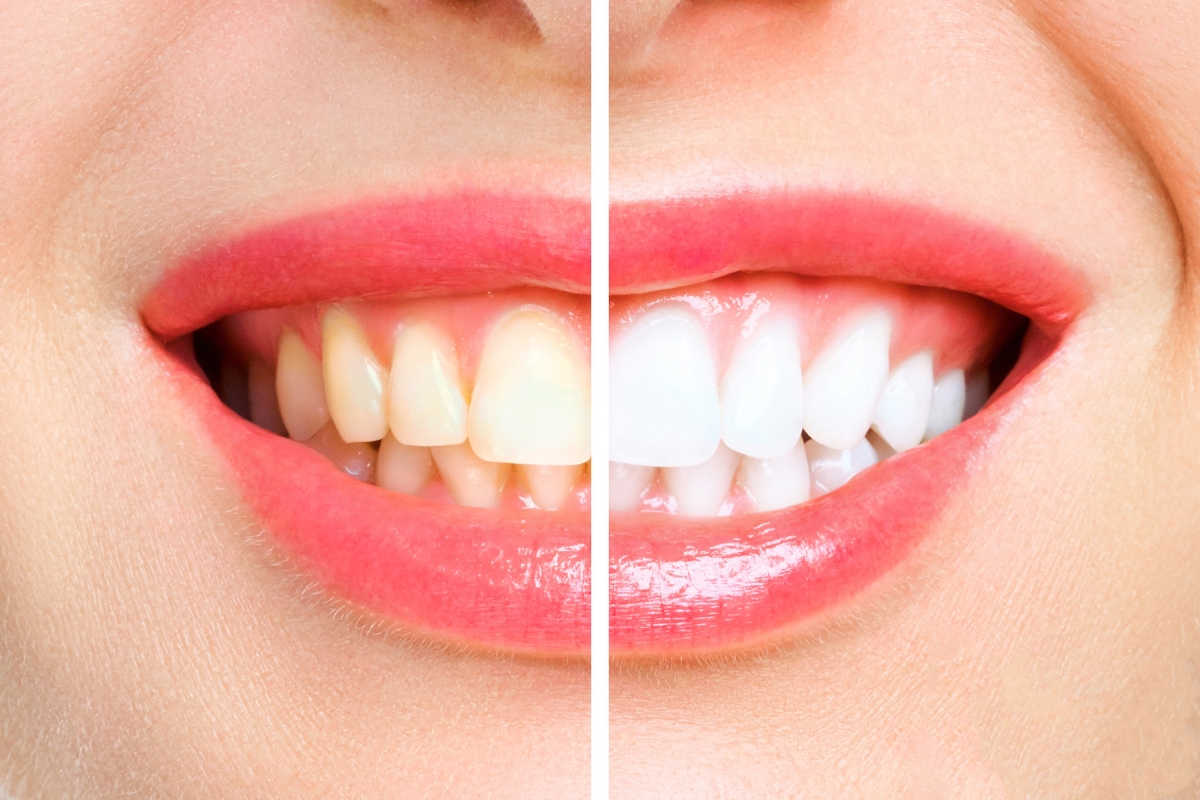

Teeth whitening treatments have certainly become a popular choice in recent years. If you are looking for a brighter smile, you can pick from a variety of options. From in-office bleaching to at-home kits, these treatments offer noticeable results. However, in some cases, you might end up experiencing tooth sensitivity as a side effect.
Read this blog to get practical tips on how you can manage the sensitivity and enjoy your smile without any discomfort.
Why Does Teeth-Whitening Cause Sensetivity?
Wondering how is this simple dental procedure linked to sensitivity? During this procedure, bleaching agents such as hydrogen peroxide or carbamide peroxide break down your enamel stains. These agents can reach the sensitive layer right below the enamel, containing the nerve ends of your tooth.
This might make your teeth extra sensitive to external stimuli like hot, cold, or acidic foods. You might experience certain symptoms such as sharp pain and tingling sensation because of this sensitivity. However, you do not need to worry too much since there are multiple ways of alleviating this discomfort.
What Are The Immediate Remedies For Sensitivity After Teeth Whitening?
Are you experiencing sensitivity right after a teeth-whitening treatment? These quick remedies can help:
- You can use a desensitizing toothpaste containing compounds such as potassium nitrate, etc, to help block nerve signs and reduce the sudden pain.
- Saltwater rinses can soothe your sensitive teeth by reducing swelling and promoting oral healing.
- Fluoride gels and fluoride-based mouthwashes can provide you relief from this side-effect of dental procedures.
- During this period it is advisable to avoid extremely hot or cold food items as they may worsen your condition and cause toothache.
What Are The Long-Term Strategies To Prevent Toothache?
Here are some preventive measures that can help you maintain a whiter smile without recurring sensitivity:
- Avoid acidic foods and sugary drinks like sods, citrus foods, etc. They can erode your enamel and further increase the sensitivity after the whitening treatment.
- Use a soft-bristled brush and circular motions to gently clean your mouth. Hard bristles can wear down your teeth’s protective layer, increasing sensitivity.
- If you keep experiencing frequent sensitivity after whitening, choose treatments with lower peroxide concentrations or use products made for sensitive teeth.
When Should You See A Dentist For Tooth-Sensetivity?
Natural remedies might also be able to provide relief from this dental condition. Coconut oil pulling has antimicrobial properties. Swish a tablespoon of this oil for 10-15 mins daily to strengthen your enamel.
Aloe vera also has anti-microbial and soothing properties. Apply a small amount of this gel to your sensitive teeth to relieve discomfort. Green tea is naturally rich in natural fluoride and antioxidants, so it can promote enamel strength.
While mild sensitivity is natural, persistent pain for more than a week can indicate a more serious underlying problem. They can help you explore alternative methods to give you a brighter smile.
Dealing with sensitivity after a teeth-whitening procedure can be frustrating, but with the right remedies, you can prevent any discomfort. Use the right oral care tools and home remedies to keep your teeth protected right after the treatment. Prioritizing your dental health alongside aesthetics is essential for a radiant and pain-free smile.
Are you ready to address your post-whitening sensitivity? Seek consultation today!