Attention all readers! Did you know that oral cancer is one of the most common types of cancer? Unfortunately, it often goes undetected until it’s too late. That’s why oral cancer screening is crucial for early detection and treatment. In this blog post, we’ll discuss what to check for during an oral cancer screening and how to protect yourself from this deadly disease. So, please grab a cup of coffee, and let’s get started!
What Is Oral Cancer?
Oral cancer is a type of cancer that affects the tissues in the mouth. It can occur on the mouth’s lips, tongue, gums, and roof. Oral cancer is one of the most common types of cancer in the United States. According to the American Cancer Society, about 48,330 people will be diagnosed with oral or oropharyngeal cancer this year.
Most oral cancers are found in people over the age of 40. However, it is crucial for people of all ages to be aware of the symptoms of oral cancer and to see a dentist or doctor for regular screenings. Two types of screenings can be used to detect oral cancer: visual screenings and physical examinations.
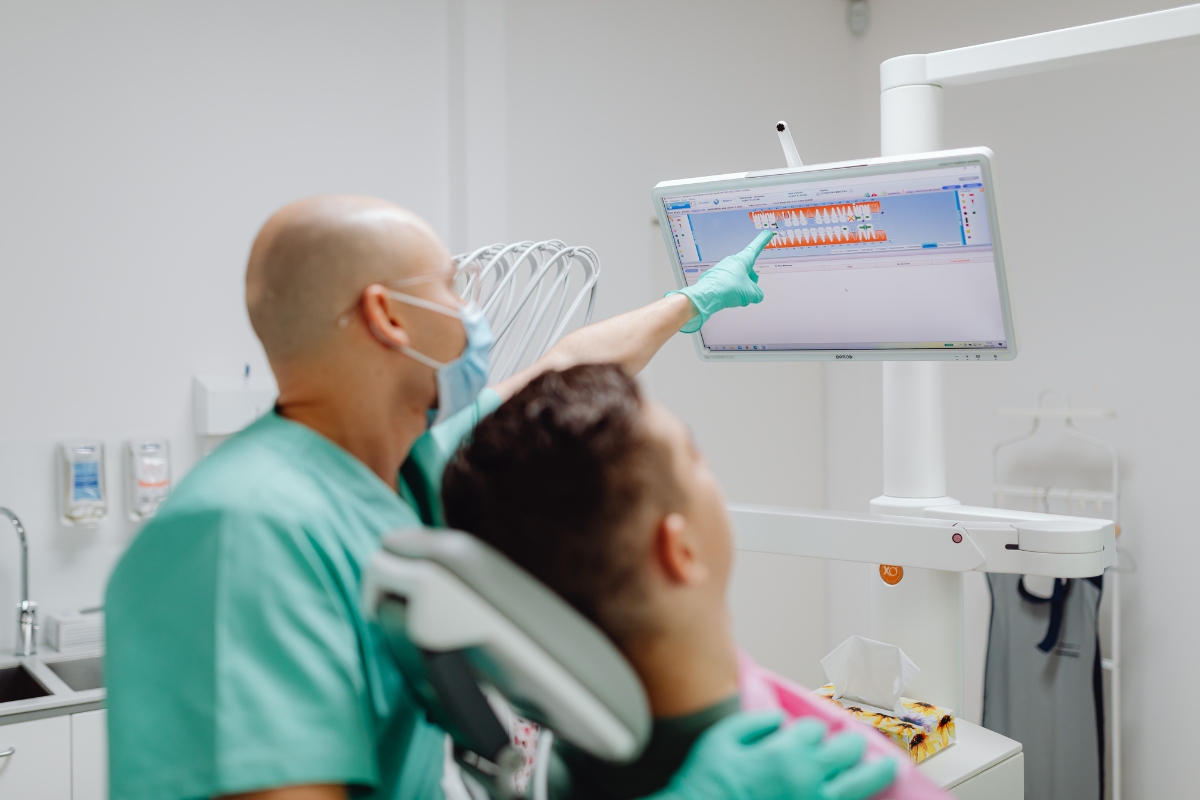
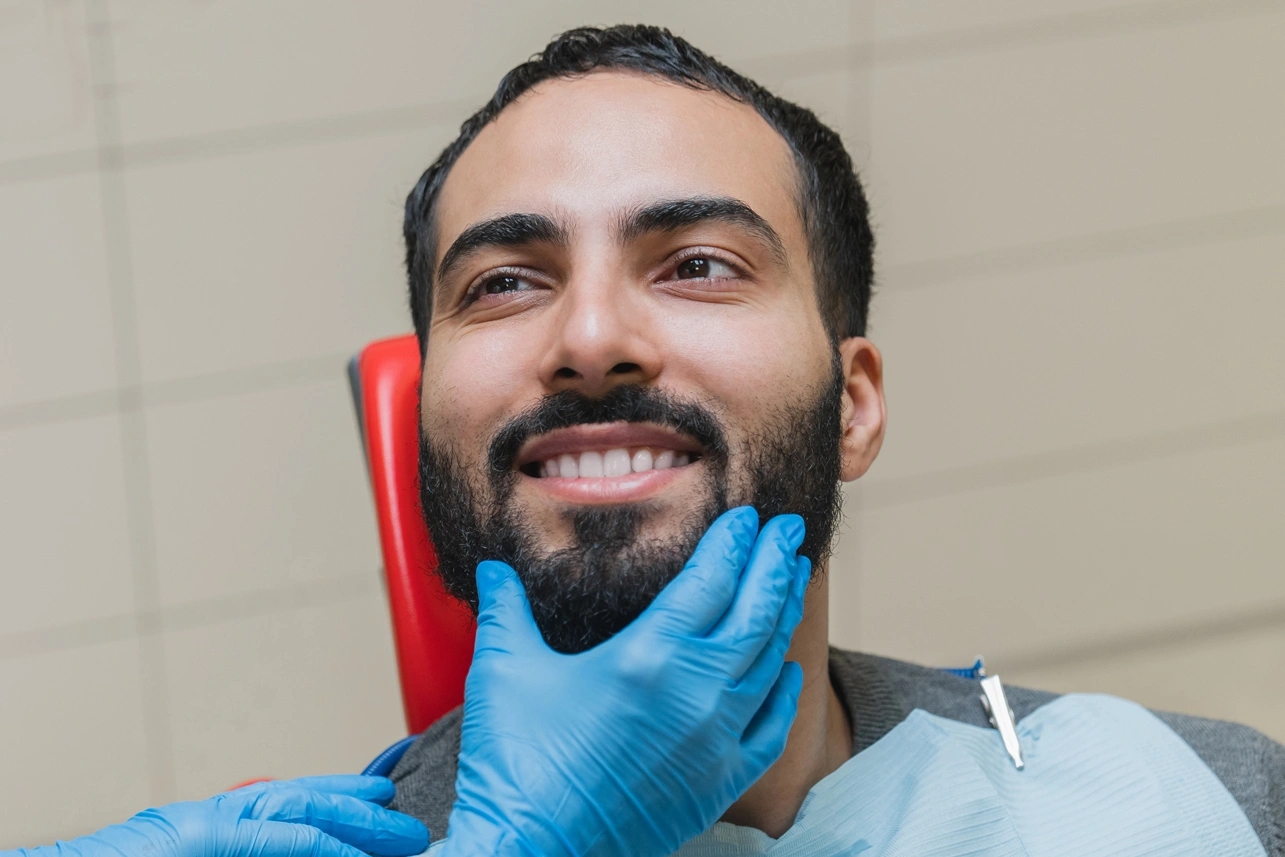
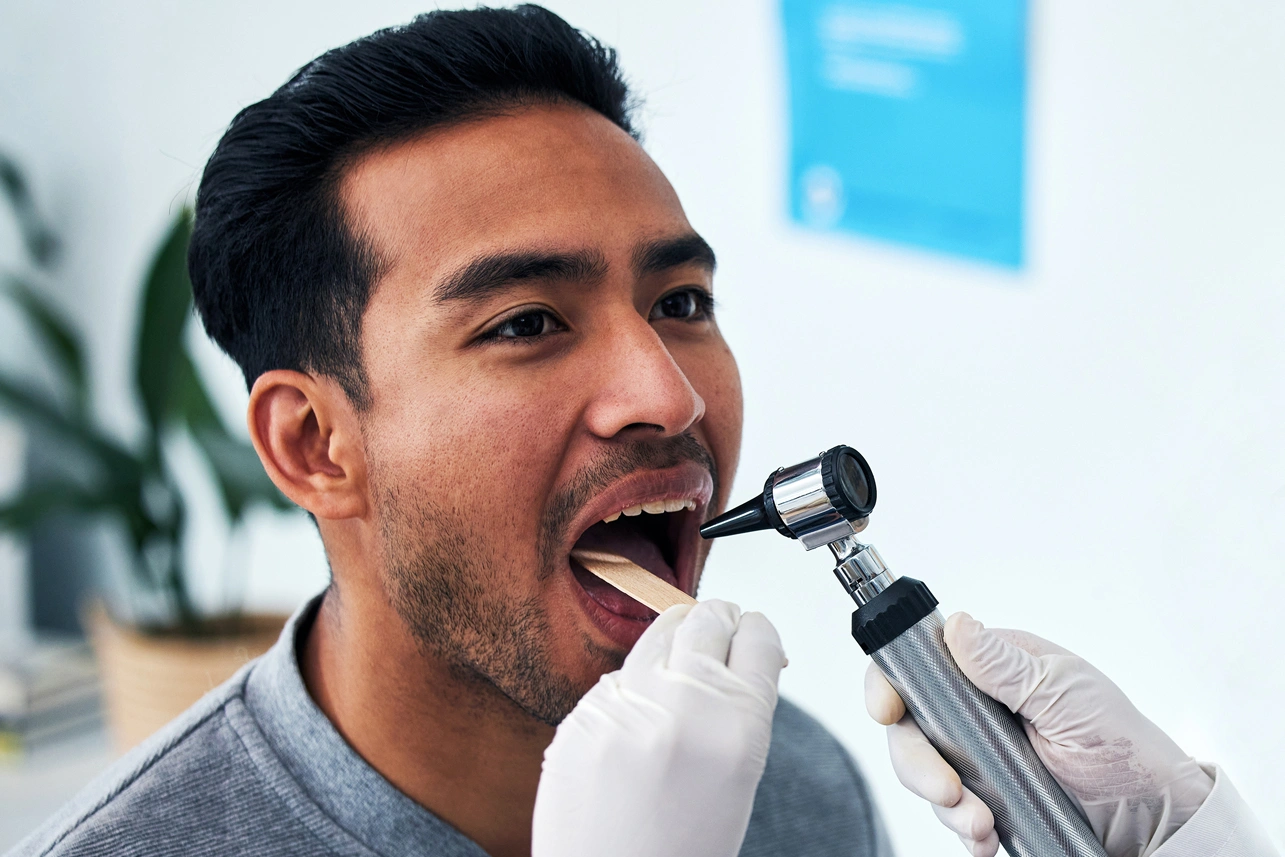
Visual screenings involve looking at the mouth for any signs of abnormalities. The dentist or doctor will look for anything that looks out of the ordinary, such as sores, red or white patches, or lumps. They will also look inside the mouth for any swelling or changes in colour. Physical examinations involve feeling around the face and neck for lumps or swellings. The doctor will also check for changes in how the teeth fit together when you bite down.
If you have any concerns about oral cancer, please don’t hesitate to talk to your dentist or doctor.
Source – Cleveland Clinic
Who Is At Risk For Oral Cancer?
Oral cancer is head and neck cancer that can occur in any part of the mouth, including the lips, gums, tongue, and throat. It is most commonly diagnosed in people over 40, although it can occur at any age. There are several risk factors for oral cancer, including:
– Tobacco use: Cigarettes, cigars, pipes, and other tobacco products are the leading cause of oral cancer.
– Alcohol use: Drinking alcohol excessively can increase the risk of developing oral cancer.
– Ultraviolet light exposure: People in the sun or tanning beds are at increased risk for developing lip cancer.
– Human papillomavirus (HPV): HPV is a sexually transmitted virus that can cause certain types of cancer, including oral cancer.
You must see your dentist or doctor regularly for oral cancer screenings if you have any risk factors. Screenings usually involve a visual examination of the mouth and throat and palpation (feeling) of the lymph nodes in the neck.
How To Check For Oral Cancer?
When it comes to oral cancer, the earlier it is caught, the better. That’s why regular screenings are so important. But what exactly should you be looking for? Here’s a quick guide to checking for oral cancer:
1. Visually examine the mouth, lips, and tongue. Look for any changes in colour or texture and any abnormal sores or growths.
2. Feel around the lips, gums, teeth, and roof of the mouth for any lumps or bumps.
3. Check for changes in how your teeth fit together when you bite down – this can be a sign of problems with the jawbone.
4. Pay attention to any new or persistent symptoms, such as pain, numbness, trouble swallowing, or a hoarse voice. These could all be potential signs of oral cancer.
If you notice anything unusual during your self-examination, don’t hesitate to contact your dentist or doctor immediately for further evaluation.
Symptoms Of Oral Cancer
-A lump or mass in the mouth, cheek, or jaw
-Persistent sore throat or cough
-Difficulty swallowing
-Red or white patches on the gums, tongue, or lining of the mouth
-Pain in the ear
-Numbness of the tongue or other areas of the mouth
-Swelling of the jaw
Treatment for oral cancer
There are several treatment options for oral cancer, depending on the cancer stage and location. Treatment options include surgery, radiation therapy, and chemotherapy. Surgery is the most common treatment for oral cancer. The type of surgery depends on the size and location of the tumour. Radiation therapy uses high-energy x-rays to kill cancer cells. Chemotherapy uses drugs to kill cancer cells.
Oral cancer screening is integral to overall health, and knowing what to look for is essential. By being aware of the signs and symptoms associated with oral cancer, you can take preventative measures that could save your life. It’s also essential to get regular screenings from your dentist or physician regularly so any irregularities can be caught early. Finally, if something seems out of the ordinary regarding your mouth or throat area, don’t hesitate to get it checked out by a professional as soon as possible.