Dental problems can sneak up on you anytime. Suddenly, your tooth is throbbing, and you’re left wondering what’s going on and what you should do next. Root canals, in particular, can cause a lot of worry. If you live in Richmond and you’re trying to figure out if you or your child might actually need one, you’re definitely not the only one asking those questions.
Root canal therapy is a pretty common fix for a tooth that’s badly damaged or infected. It can save your tooth and preserve your smile. But how do you know when it’s time to get one?
Let’s break down the signs to look out for and explain why acting quickly is crucial. Knowing what to watch for helps you make informed choices and avoid extensive problems down the road.
What’s A Root Canal?
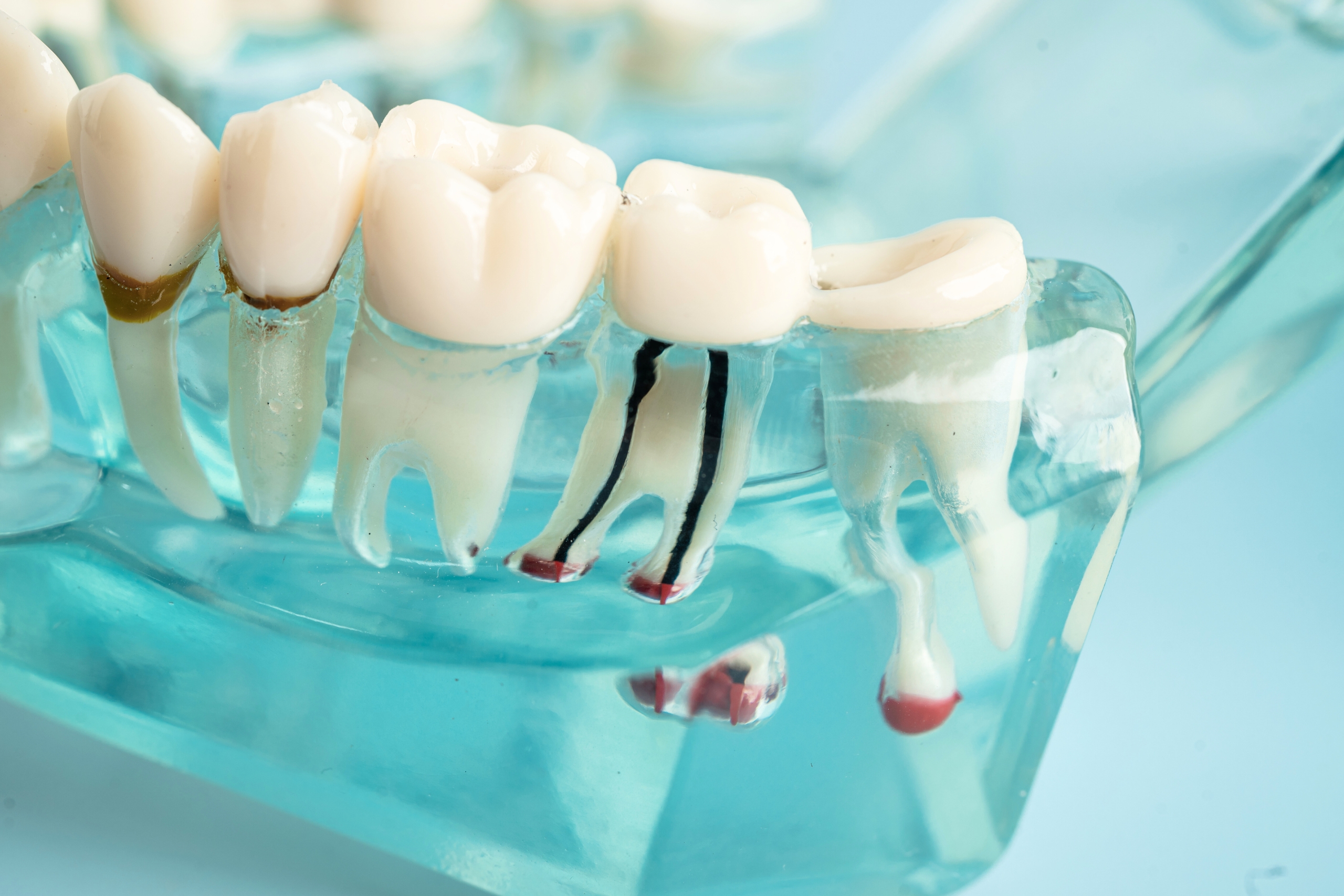
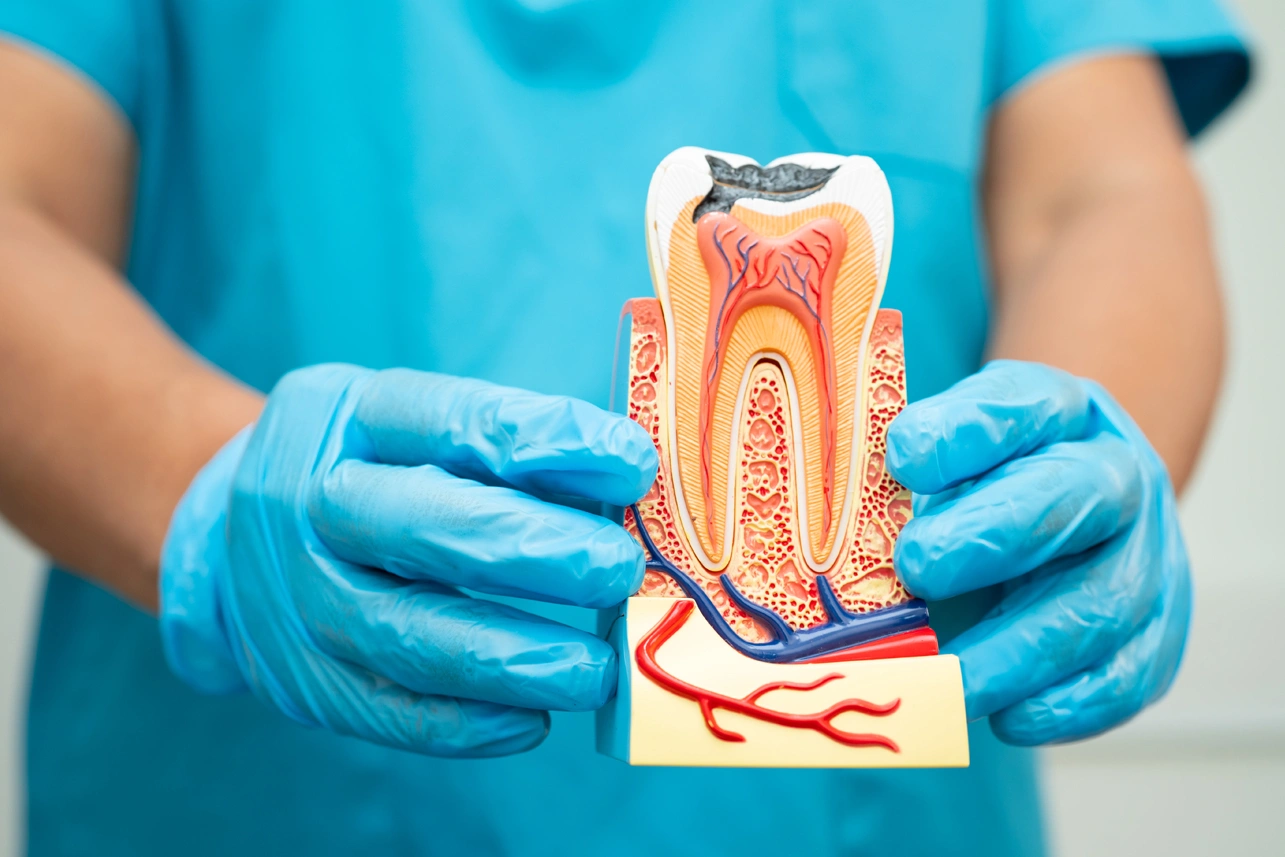
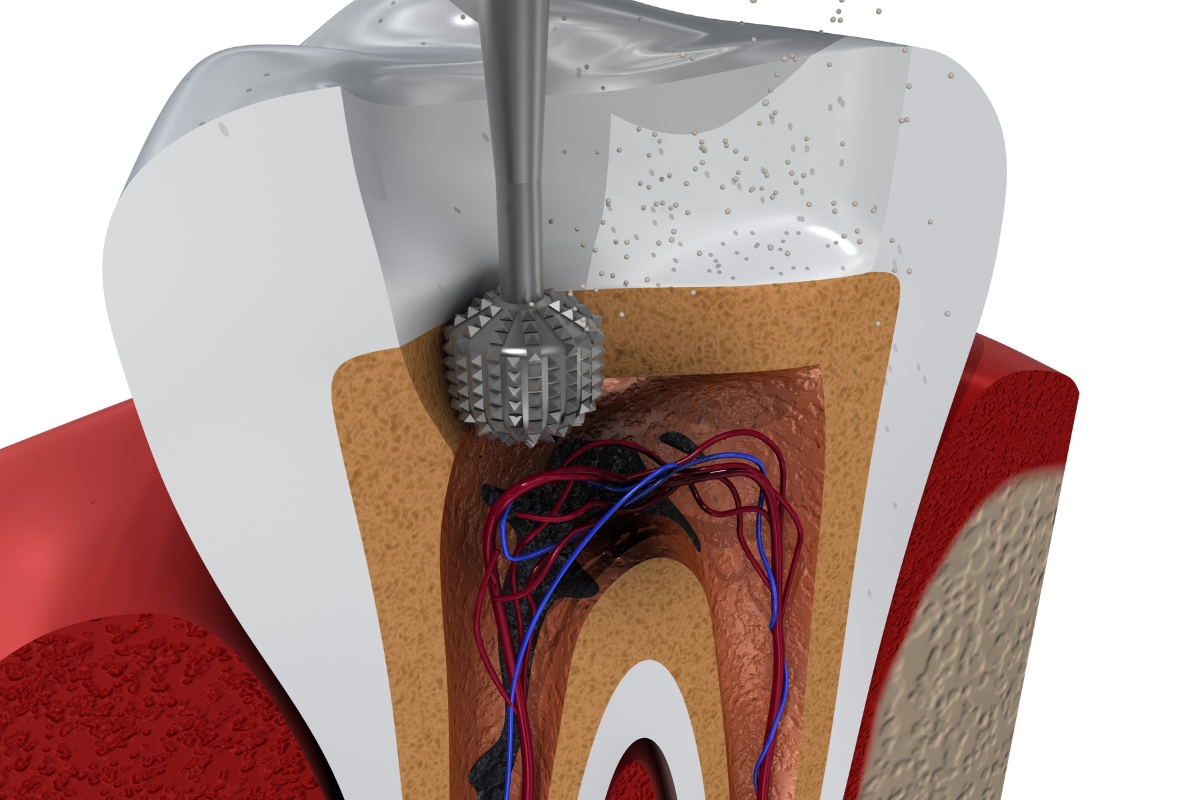
In simple terms, it’s a dental procedure where your dentist removes infected or damaged tissue from inside the tooth. After clearing out the bad stuff, the dentist cleans, seals, and restores the tooth, which helps prevent infection from returning. This way, you don’t have to lose the tooth entirely.
How do you know if you need a root canal? Here are some warning signs:
1. Persistent Tooth Pain
That nagging pain that just won’t let you sleep in peace—it keeps you up at night or gets worse when you eat. If your toothache lingers for hours or flares up when you chew, chances are the nerve inside your tooth is in trouble.
2. Sensitivity That Causes Intense Pain
If hot coffee or ice cream sends a jolt through your tooth and the pain lingers even after you’re done eating or drinking, that’s not normal. Lingering sensitivity like this often indicates nerve damage, which typically requires a root canal.
3. Swollen or Tender Gums
Notice your gums are puffy, sore, or even a different color near a particular tooth? Infection might have reached the soft tissue inside your tooth and is now causing inflammation in your gums.
4. Tooth Discoloration
If one tooth suddenly looks darker than the rest, it could be a sign that the pulp inside is damaged or dead. When that happens, root canal therapy is usually the best way to save the tooth.
5. A Weird Bump on Your Gums
A pimple-like bump near a sore tooth usually means there’s an abscess, which is basically a pocket of infection. Abscesses require prompt treatment to prevent the infection from spreading, and a root canal can aid in this process.
What Happens If Your Dentist in Richmond Thinks You Need A Root Canal?
First, they’ll examine your tooth and likely take dental X-rays to assess the severity of the infection. If you need the procedure, here’s what to expect:
- First, your dentist examines your tooth and reviews the X-rays.
- Then, they remove the infected pulp, clean the inside of the tooth, and shape the canals.
- After everything’s clean, they seal up the canals to keep bacteria out.
- Finally, they’ll place a crown or filling to restore your tooth to its normal state.
Getting treated early is beneficial. If you ignore the symptoms and let an infection fester, you could end up with more severe problems—such as a spreading infection or even tooth loss. Root canal therapy can stop all that if you act quickly.
After your root canal, follow your dentist’s instructions for healing. Usually, that means taking it easy on hard or sticky foods for a few days and using over-the-counter pain meds if you’re sore.
If you’re dealing with any of these symptoms, don’t wait. Consult with our Richmond dental clinic to determine if a root canal is the right treatment for you. At Inspire Smiles, we’re here to walk you through every step, with care that’s tailored to you. Don’t brush off the warning signs—catching things early can save your tooth and protect your health.
Ready for answers? Contact our dental team to maintain a healthy and radiant smile.
Frequently Asked Questions (FAQs)
- How long does a root canal procedure take?
A typical root canal procedure takes about one to two hours, depending on the complexity of the tooth. Multiple visits may be required for severe cases. - Is root canal therapy painful?
Most patients experience little to no pain during the procedure, as local anesthesia is used. Post-procedure discomfort can usually be managed with over-the-counter pain relievers. - Can a root canal fail?
While rare, root canals can fail if the tooth becomes reinfected. Good oral hygiene and regular dental checkups can help prevent this. - How do I care for my tooth after a root canal?
After the procedure, avoid chewing on hard foods until the tooth is fully restored with a crown. Follow your dentist’s aftercare instructions to ensure a smooth healing process.