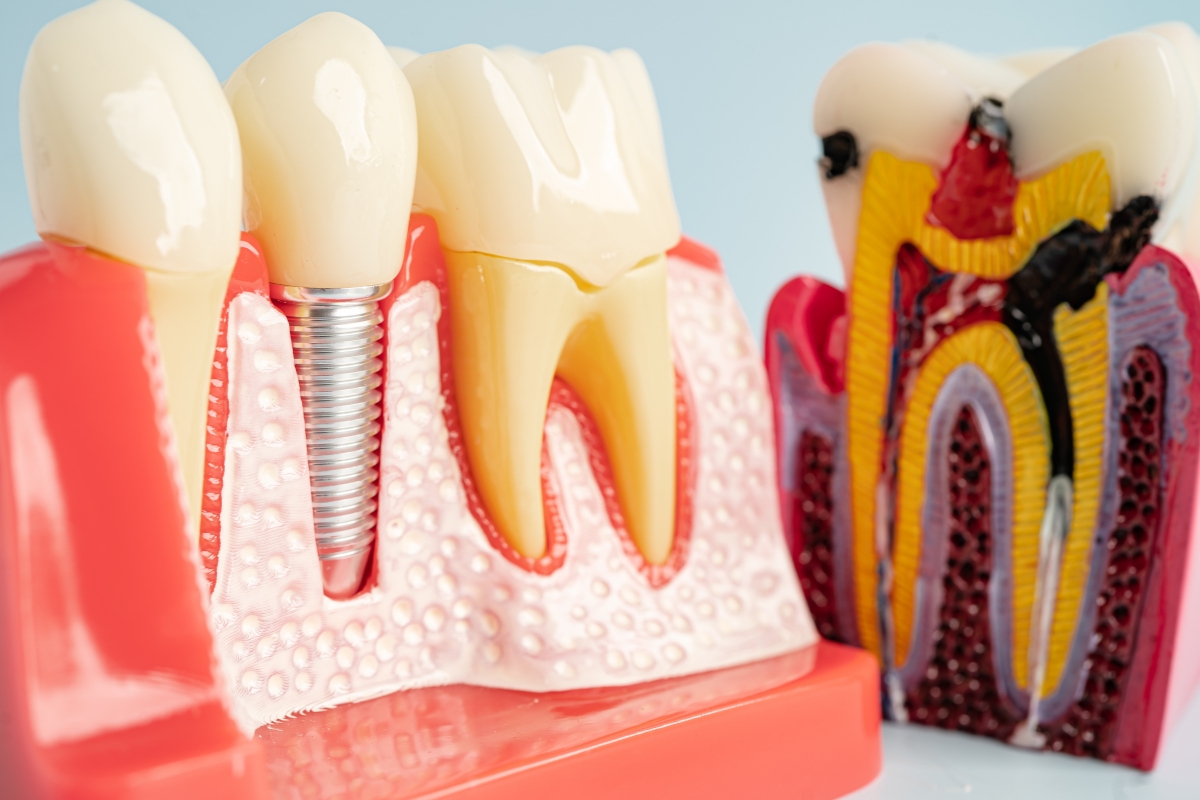
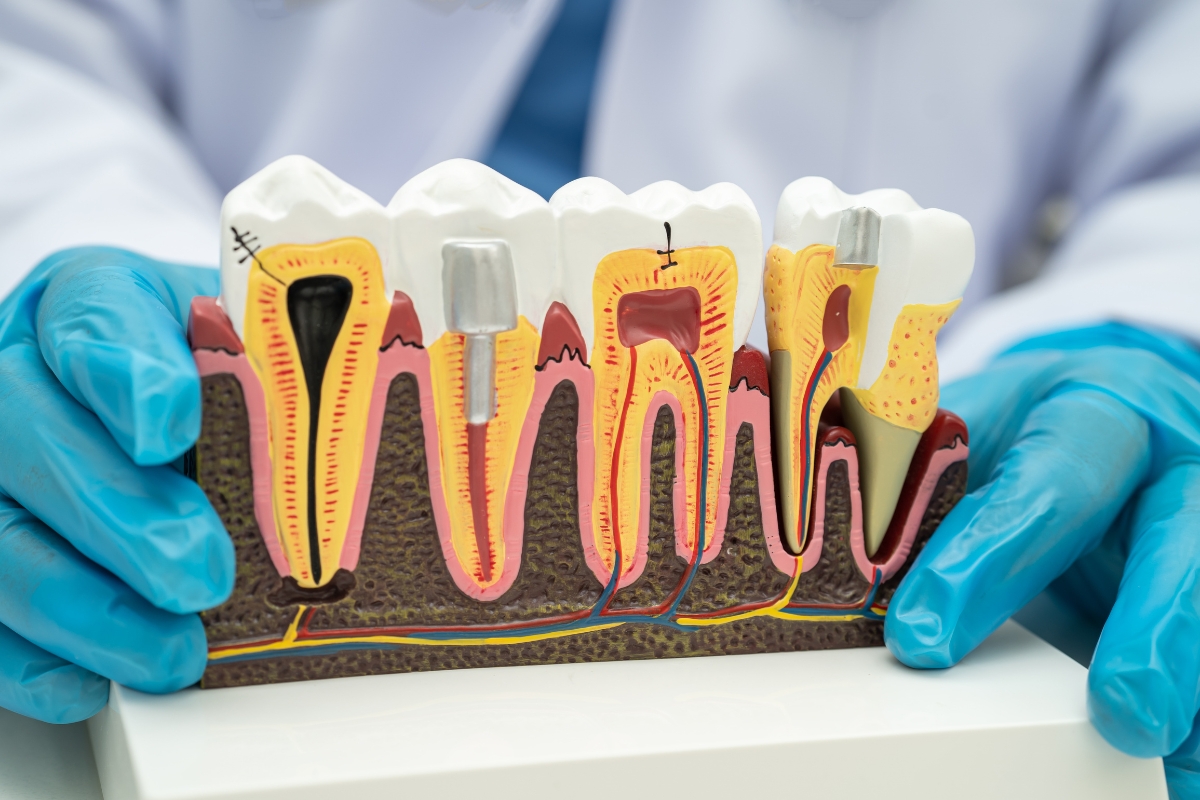
Replacing missing teeth with dental implants is becoming increasingly popular and offers many advantages in both function and appearance. As with all medical procedures, there are several possible risks, and peri-implantitis is one of them. This condition affects the tissue that surrounds the dental implant and bone. Being aware of its signs and how to prevent or treat this condition is an important part of having dental implants in Richmond, TX.
Bacteria contribute to peri-implantitis, thereby contributing to bone loss and ultimately dental implant failure. However, taking steps to prevent this and monitoring for symptoms should be important for anyone with dental implants. Though you can’t always prevent it completely, care and attention can manage this dental problem.
What Is Peri-Implantitis?
Perimplantitis refers to the inflammation of the tissues surrounding dental implants and may be characterized by loss of support around the implant. This condition is basically an inflammatory disease occurring at the site surrounding an implant.
Peri-implantitis is characterized by signs of an inflammation of the gum tissue surrounding a dental implant and can also lead to bone loss and potentially to dental implant loss.
Early signs of peri-implantitis occur with the gums surrounding your dental implants in Richmond, but over time, they can involve the bone structure supporting the implant.
Symptoms of Peri-implantitis
There are several symptoms associated with peri-implantitis, ranging from mild to severe. It is often subtle, especially during the initial stages, which is why frequent visits to the implant dentist are required.
Common symptoms include;
- Swelling, redness, and irritation around the site of the implant. The gum tissue will look puffy and swollen.
- Bleeding during brushing and flossing is a good indicator that the gum is inflamed and/or infected.
- Pain or discomfort at the implant site an increased pressure sensitivity.
- Halitosis, or unpleasant mouth odor, is a sure indication that an infection may be present.
- Loose implant, this is due to a lack of bone surrounding it.
These symptoms should be addressed promptly to avoid future, more serious problems.
Peri-implantitis Prevention
There are various steps you can take to help reduce your risk of developing peri-implantitis. This is primarily achieved by practicing proper oral hygiene and visiting your implant dentist regularly:
- Practice good brushing habits: Brush the area around the implant with a soft-bristle toothbrush twice daily. Floss once daily as well.
- Use antibacterial mouthwash: This helps to eliminate the bacteria that may contribute to peri-implantitis.
- Quit smoking: Smoking reduces blood supply to the gums, therefore delaying the healing process and causing increased risk of infection.
- Attend regular check-ups with your dentist: These are crucial for detecting early signs of gum recession and other issues, allowing your implant dentist to intervene before permanent damage is done.
Treatment Options for Peri-implantitis
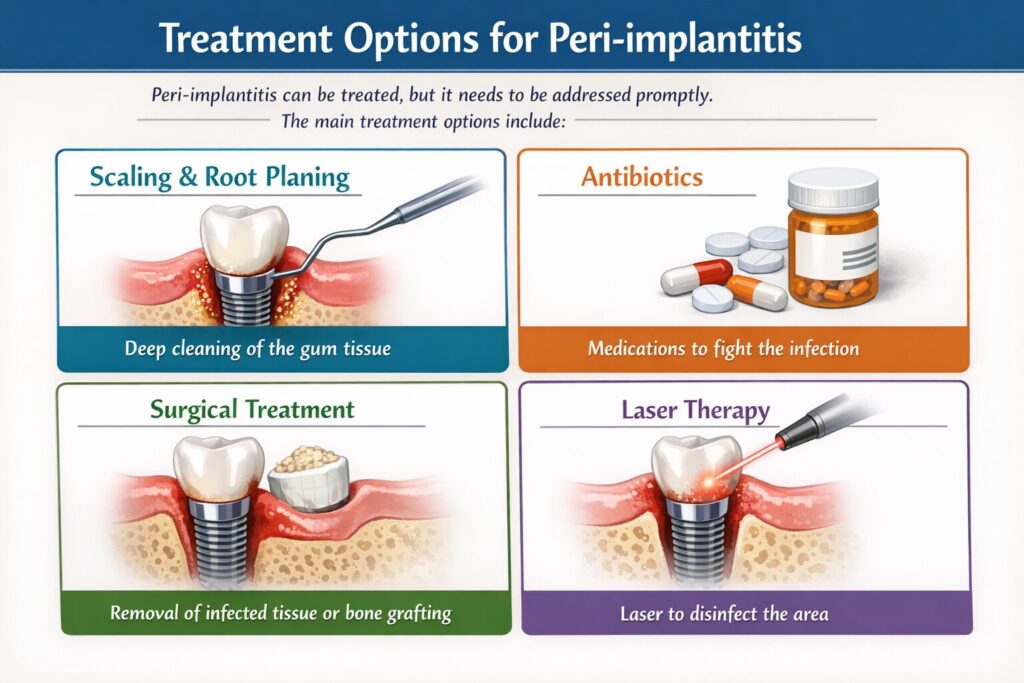
Peri-implantitis can be treated, but it needs to be addressed promptly. Depending on the severity of bone loss around the implant, your implant dentist can determine the appropriate course of action. The main treatment options for peri-implantitis include:
- Scaling and root planing: If detected in the early stages, the surrounding gum tissue can be thoroughly cleaned to remove bacterial buildup and damaged tissue.
- Antibiotics: To help the implant dentist eliminate the infection.
- Surgical treatment: If extensive bone loss is present, the surgeon may have to surgically remove the diseased tissue and bone. This may also be needed to remove the implant, or a bone graft may be used to fill any missing bone to further support the implant.
- Laser treatment: An implant dentist may choose to use a laser to remove infection. The laser will be used to sterilize the surrounding tissue and may be an alternative to surgery.
When to Seek Treatment for Peri-implantitis
The best time to treat peri-implantitis is in its earliest stages, before the condition can cause irreversible damage to the surrounding bone and gums. If you notice any signs of peri-implantitis, such as those outlined above, you should make an appointment with your implant dentist straight away. An implant dentist will then examine your implant, perhaps take some X-rays of it, and treat your condition as appropriate.
Long-Term Dental Implant Maintenance
Following your peri-implantitis treatment, maintaining your dental implants is paramount to their success. This will be easily achieved by taking regular care and attending check-ups to keep your dental implants healthy. Some steps to follow include:
- Regular cleaning of the mouth: Good oral hygiene is very important for keeping the implants free of plaque that could cause an infection.
- Attend regular check-ups with your dentist: Professional cleanings should be performed regularly. This will also enable your dentist to monitor the implant’s health.
- Stop smoking: Smoking is detrimental to recovery and can also cause implant failure. This is particularly the case if you suffer from diabetes.
- Look after your general health: Conditions such as diabetes can influence the long-term success of dental implants. Make sure your overall health is monitored.
Following these guidelines should mean your dental implants could last many years.
Source: Beacon Oral & Maxillofacial Surgeons, Dental Implants and Wisdom Teeth
Protect Your Implants with Proper Care
Many people think that dental implants are life-changing; they do not require the same routine care as natural teeth, but they still need to be looked after to remain healthy. Peri-implantitis is preventable, so by taking action in advance, you can keep your implants for a lifetime.
If you are worried about peri-implantitis and have noticed any symptoms, then your implant dentist is the right person to give proper advice. Call us today to schedule an appointment at Inspire Smiles. Preventive measures and regular visits can help keep your dental implants in the best shape.
Questions People Ask About Peri-implantitis
What is peri-implantitis?
Peri-implantitis is an infection that affects the gums and bone around a dental implant. It’s caused by bacteria, leading to inflammation and possible bone loss if untreated.
Can peri-implantitis be prevented
Yes, by practicing good oral hygiene, quitting smoking, and attending regular dental check-ups, you can greatly reduce the risk of peri-implantitis and keep your implants healthy.
What are the early symptoms of peri-implantitis?
Early signs include redness, swelling, bleeding gums, and discomfort around the implant. If you notice these symptoms, it’s important to visit your dentist for an evaluation.
How is peri-implantitis treated?
Treatment options include non-surgical methods like cleaning and antibiotics, as well as surgical procedures for more advanced cases. The treatment depends on the severity of the condition.
Can peri-implantitis cause implant failure?
Yes, if left untreated, peri-implantitis can lead to bone loss around the implant, causing it to become loose and possibly fail. Early intervention is key to preserving the implant.
How can I maintain my dental implants long-term?
Maintain your implants by brushing and flossing regularly, using antibacterial mouthwash, avoiding smoking, and attending routine dental visits for check-ups and cleanings.