Are you waking up with a sore jaw or frequent headaches?
You might be unknowingly grinding your teeth at night. If this sounds familiar, a nightguard could be the solution you’ve been searching for. These dental devices protect your teeth while you sleep, offering relief from the discomfort that comes with teeth grinding or jaw clenching.
In this blog, we’ll dive into what a nightguard is, why you might need one, and how it can improve your oral health. From understanding the signs that suggest you need one to exploring how nightguards work, we’ll cover everything you need to know to decide whether this simple tool is right for you.
Keep reading to learn more!
Why Do People Use Nightguards?
Nightguards are a simple and effective solution for various dental problems, particularly bruxism (teeth grinding) and jaw clenching. These issues often occur during sleep, but their impact on oral health can be long-lasting.
- Bruxism and teeth grinding: Nightguards protect against enamel wear and prevent tooth sensitivity.
- Jaw pain: Wearing a nightguard can ease discomfort and prevent more severe jaw issues, like TMJ (temporomandibular joint) disorders.
- Long-term protection: Preventing damage helps avoid costly dental treatments like crowns or root canals.
- Comfort: Nightguards provide immediate relief, reducing pain and discomfort from grinding or clenching while you sleep.
Signs You Might Need a Nightguard
If you experience certain symptoms, a nightguard could be the solution to prevent further dental damage. Many people don’t realize they’re grinding their teeth while asleep, but the signs are often noticeable.
- Clenching or grinding: Waking up with sore teeth or jaw muscles is a clear sign of teeth grinding.
- Jaw pain or discomfort: Waking up with tight or sore jaw muscles can indicate bruxism.
- Headaches or earaches: These can be related to clenching your jaw during sleep.
- Tooth sensitivity: Grinding can wear down tooth enamel, leading to increased sensitivity.
- Damaged teeth or fractured fillings: Significant wear or damage to your teeth can be a result of grinding.
Types of Nightguards: Which One Is Right for You?
Nightguards come in different types, and choosing the right one can depend on your needs, comfort, and budget. Here’s a look at the options available:
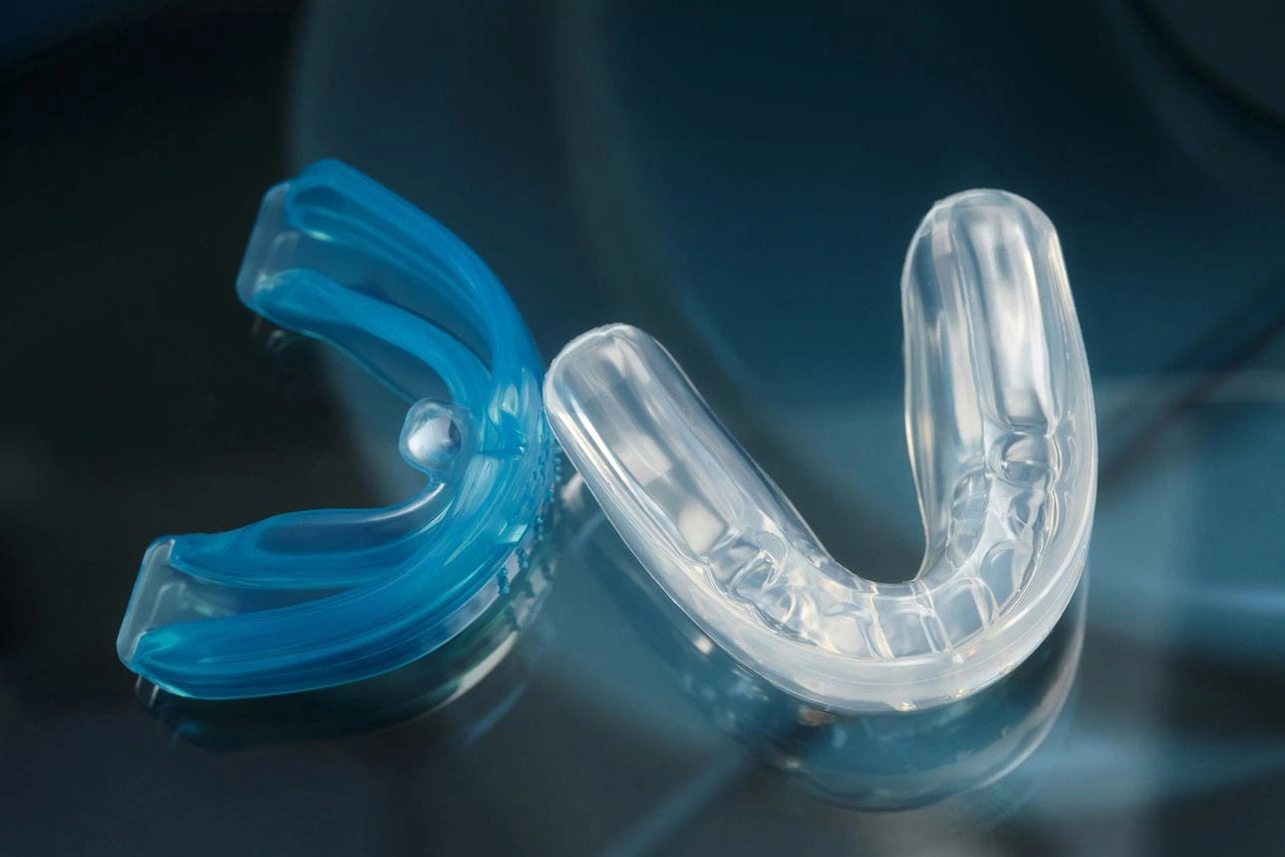
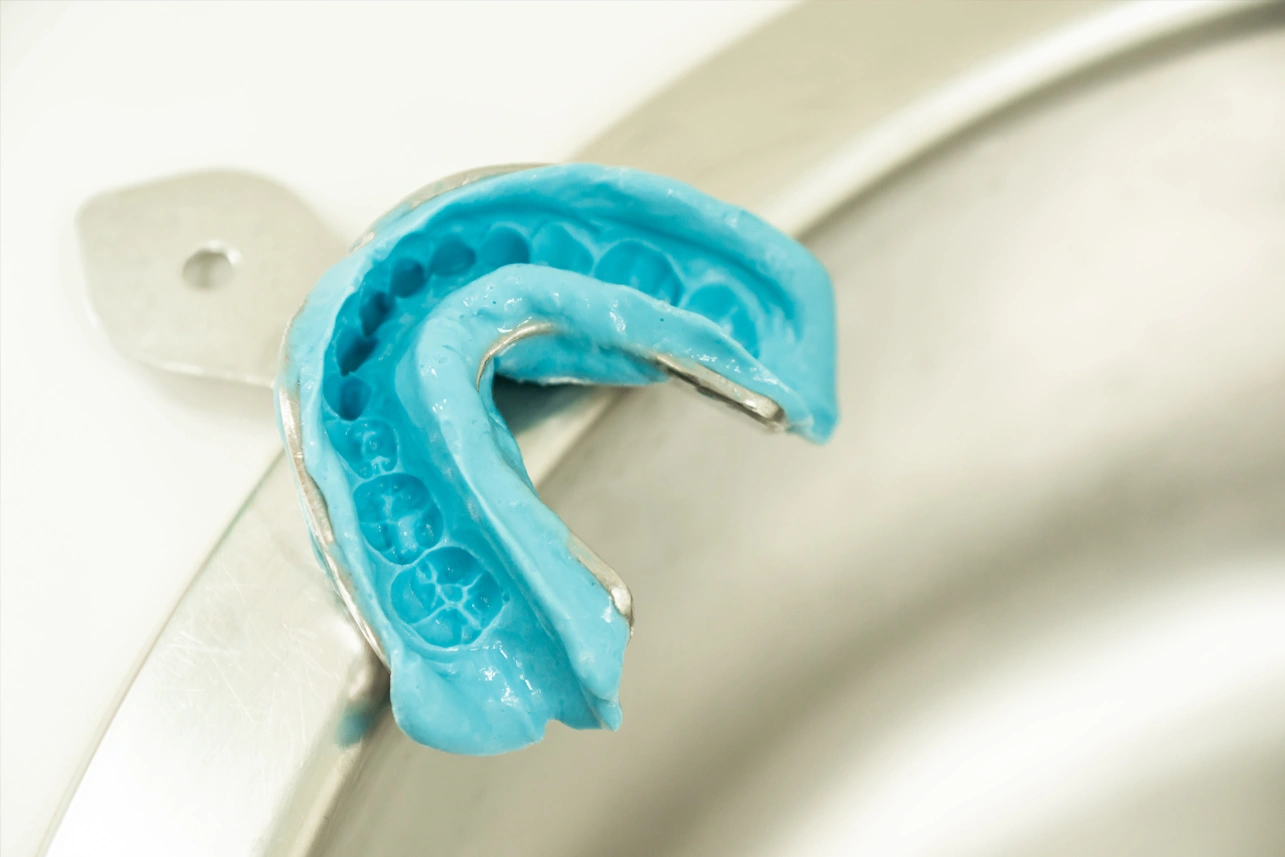
- Custom-made nightguards: These are crafted by a dentist to fit your mouth perfectly. They offer maximum comfort and protection.
- Boil-and-bite nightguards: These are over-the-counter, flexible, and easy to customize at home by boiling them to soften and shaping them around your teeth.
- Pre-formed nightguards: These are ready-to-wear, less expensive, and offer minimal customization, but they may not be as comfortable as custom-made versions.
- Pros and cons: Custom-made options are the most comfortable and effective but come at a higher cost. Boil-and-bite and pre-formed guards are more affordable but may not offer as much protection.
How Does a Nightguard Work?
Nightguards are designed to prevent damage caused by teeth grinding and jaw clenching during sleep. Their role is simple but effective in preserving your oral health.
- Teeth protection: The nightguard creates a barrier between the upper and lower teeth, preventing direct contact, which helps protect enamel from wear.
- Jaw relief: It helps reduce the pressure on the jaw, easing the strain caused by clenching.
- Oral health benefits: Nightguards prevent issues like cracked teeth, TMJ pain, and other long-term dental damage, keeping your smile intact.
When Should You See a Dentist About a Nightguard?
If you’re experiencing symptoms of teeth grinding or jaw clenching, seeing a dentist is essential to get the best nightguard for your needs.
- Persistent symptoms: If you have ongoing jaw pain, headaches, or tooth sensitivity, it’s time to consult a dentist.
- Custom fit: A dentist can create a personalized nightguard that fits comfortably and offers the best protection.
- Professional guidance: A dentist can evaluate the severity of your condition and recommend the best type of nightguard, ensuring it works well for your situation.
- Preventing damage: Getting professional help early on can prevent more severe damage to your teeth and jaw, saving you from costly dental treatments.
If you struggle with grinding your teeth or experience jaw pain, a nightguard can provide relief and protect your smile. Choosing the right type for your needs, along with professional guidance, ensures optimal comfort and effectiveness.
Don’t let dental issues impact your health. Reach out to our dentist today and learn how a nightguard can help you sleep easier and protect your teeth.