
Welcome to our blog, where we dive deep into the world of dental health! Today, we’re going to explore a topic that many people have questions about tooth implants. These innovative and life-changing dental solutions have gained popularity in recent years, but like any medical procedure, they come with their own set of potential complications. So, if you’ve been considering getting a tooth implant or already have one and are experiencing issues, this article is for you! We’ll discuss common problems associated with tooth implants, how to prevent and manage them, alternative options for missing teeth, and even debunk some myths along the way. So sit back, relax (but not too much!), and let’s get started on this informative journey together!
The Process Of Getting A Tooth Implant
The process of getting a tooth implant is a carefully planned and executed procedure that requires the expertise of a skilled dental professional. It typically involves several steps, each designed to ensure optimal results and long-term success.
First, your dentist will thoroughly examine your oral health and take x-rays to assess the condition of your jawbone and surrounding teeth. This evaluation is crucial in determining if you are a suitable candidate for a tooth implant.
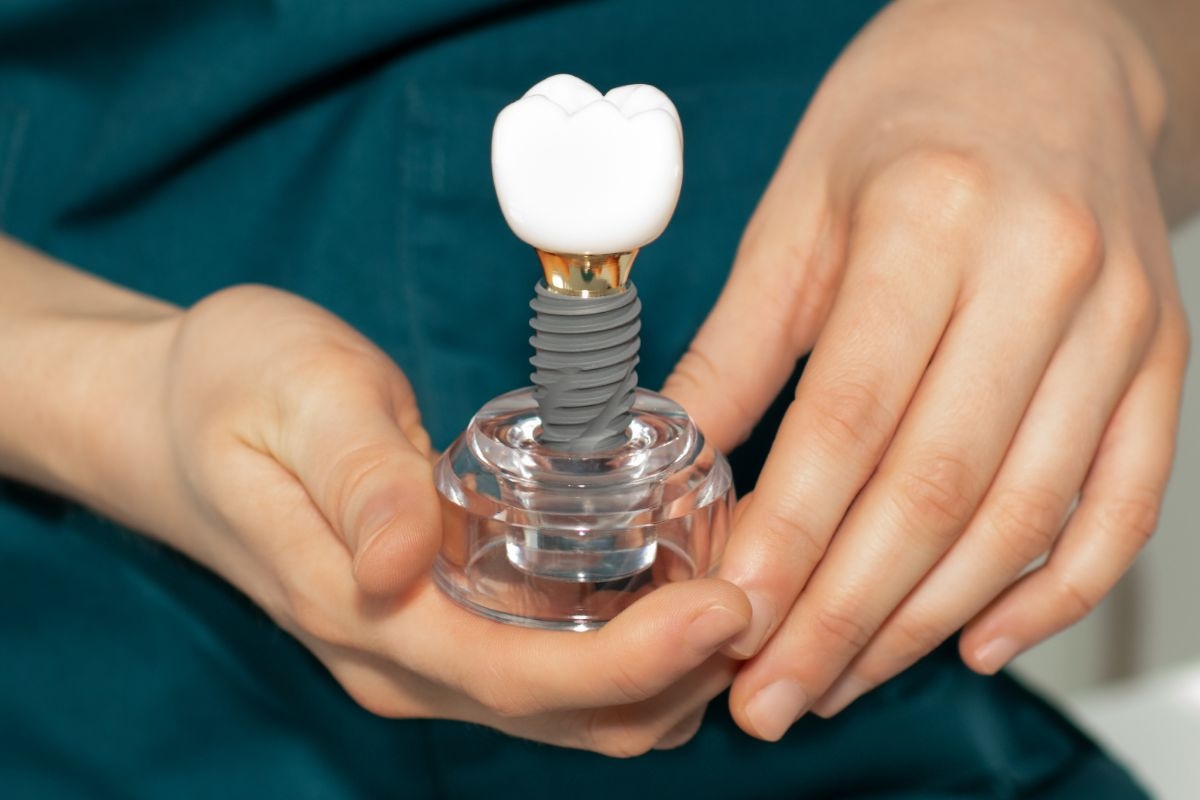
If you are deemed eligible for an implant, the next step involves placing the titanium post into your jawbone. This post acts as an artificial tooth root and provides stability for the replacement tooth or crown that will be attached later on.
After this initial surgery, there is usually a healing period that allows the implant to fuse with the jawbone through a process called osseointegration. This can take several months but ensures that your new tooth will be securely anchored in place.
Once osseointegration has occurred, an abutment is placed on top of the implant to connect it with the replacement tooth. Impressions are then taken to create a custom-made crown that matches the color, shape, and size of your natural teeth.
When everything is ready, your dentist will attach the crown onto the abutment using dental cement or screws. The result? A fully functional and aesthetically pleasing new tooth!
While this overview provides insight into what’s involved in getting a tooth implant, it’s important to note that every patient’s situation may vary slightly depending on their specific needs. Therefore, it’s essential to consult with an experienced dentist who can provide personalized guidance throughout each stage of treatment.
Common Problems With Tooth Implants
Tooth implants have revolutionized the field of dentistry, providing a long-lasting solution for missing teeth. However, like any medical procedure, they are not without their potential challenges. While tooth implants can greatly improve your oral health and quality of life, it’s important to be aware of the common problems that may arise.
One common issue with tooth implants is implant failure. This occurs when the implant does not properly fuse with the jawbone or becomes loose over time. Factors such as poor oral hygiene, smoking, and certain medical conditions can increase the risk of implant failure. In some cases, additional surgery may be required to address this problem.
Another problem that patients may experience is peri-implantitis – an infection or inflammation around the implant site. This can cause pain, swelling, and even bone loss if left untreated. Regular dental check-ups and proper oral hygiene practices are essential in preventing peri-implantitis.
Nerve damage is also a potential complication of tooth implants. The nerves surrounding the implant area could be injured during surgery, resulting in numbness or tingling sensations in the lips, gums, or chin. While rare, this problem should be addressed immediately to prevent further complications.
How To Prevent And Manage Complications
When it comes to tooth implants, prevention is key. By taking proper care of your oral health before and after the implant procedure, you can minimize the risk of complications. It all starts with maintaining good oral hygiene habits – brushing twice a day, flossing daily, and visiting your dentist regularly for check-ups.
During the healing process after getting a tooth implant, it’s important to follow your dentist’s instructions. Avoid smoking or using tobacco products as they can interfere with the healing process and increase the risk of complications. Stick to soft foods and avoid biting down on hard objects that could damage the implant site.
In some cases, complications may arise even with proper care. If you experience any swelling, pain, or unusual discharge around the implant site, contact your dentist immediately. They will be able to diagnose any potential issues early on and provide appropriate treatment.
Managing complications may involve additional dental procedures such as bone grafting or tissue regeneration. Your dentist will work closely with you to develop a customized treatment plan based on your specific needs.
Remember that each individual’s experience with tooth implants may vary; what works for one person may not work for another. That’s why it’s crucial to consult with a qualified dental professional who can guide you through every step of the process.
By being proactive about preventing complications and seeking timely intervention when needed, you can ensure that your tooth implants last for years to come without causing significant problems for your oral health.
Alternative Options For Missing Teeth
When it comes to dealing with missing teeth, tooth implants are not the only solution. While dental implants have become increasingly popular due to their durability and natural appearance, there are other alternatives worth considering.
One option is a dental bridge, which involves placing a false tooth between two adjacent teeth. This can be a good choice if the surrounding teeth are healthy and strong enough to support the bridge. Another alternative is removable dentures, which can be taken out for cleaning but may not provide the same stability as implants or bridges.
For those who prefer a more conservative approach, partial dentures can replace one or more missing teeth without affecting neighboring healthy teeth. These removable appliances offer an affordable and non-invasive option for restoring your smile.
In some cases, orthodontic treatment such as braces or clear aligners may be recommended to close gaps caused by missing teeth. By shifting existing teeth into the empty spaces, this method provides a functional and aesthetic solution.
It’s important to consult with your dentist about the best alternative option for your specific situation. They will take into account factors like oral health, budget constraints, and personal preferences before recommending the most suitable treatment plan.
Remember that each person’s case is unique, so what works well for someone else may not necessarily be right for you. Exploring all available options alongside professional guidance will help you make an informed decision about replacing your missing teeth effectively!
Myths About Tooth Implants
When it comes to tooth implants, there are several myths floating around that can make people hesitant or misinformed about this dental procedure. Let’s debunk some of these common misconceptions:
1. Myth: Tooth implants are painful and have a long recovery time.
Reality: While any dental procedure may cause some discomfort, advancements in technology and techniques have made tooth implant surgery relatively painless. Most patients experience minimal pain during the procedure and only require over-the-counter pain relievers afterward.
2. Myth: Tooth implants look fake or unnatural.
Reality: Dental implant technology has come a long way, allowing for highly realistic results. The artificial tooth is custom-made to match your natural teeth in color, shape, and size. Once the implant heals, it becomes indistinguishable from your other teeth.
3. Myth: Tooth implants are too expensive.
Reality: Although tooth implants may initially seem costly compared to other options like dentures or bridges, they offer a long-term solution that can save you money in the future by avoiding ongoing maintenance costs associated with other treatments.
4. Myth: Anyone can get a tooth implant regardless of their oral health condition.
Reality: Good oral health is crucial for successful implantation. Your dentist will evaluate your overall oral health and bone density before determining if you’re a suitable candidate for tooth implants.
5. Myth: Dental insurance does not cover tooth implants.
Reality: While dental insurance coverage varies depending on your plan, many policies now include coverage for at least part of the cost of tooth implant procedures.
Tooth implants have revolutionized the field of dentistry, offering a long-lasting and natural-looking solution for missing teeth. However, like any medical procedure, there can be potential complications that arise. In this article, we explored the process of getting a tooth implant, common problems that may occur, how to prevent and manage complications, alternative options for missing teeth, and debunked some myths surrounding tooth implants.
While tooth implants are generally considered safe and effective, there can be risks involved. Some common problems include infection at the implant site, nerve damage leading to numbness or tingling sensations in the mouth or face, bone loss around the implant area due to poor oral hygiene practices or smoking habits. Additionally, gum recession around the implant site may occur over time.
Prevention is key when it comes to managing these issues. It’s crucial to maintain good oral hygiene by brushing twice daily with a soft-bristled brush and flossing regularly. Regular dental check-ups are also important as they allow your dentist to monitor your dental health closely.
If you do experience complications with your tooth implant such as pain or swelling in the gums or difficulty biting down properly after several weeks post-surgery – it’s essential to contact your dentist immediately for an evaluation.