Dental implants have revolutionized the field of dentistry, offering a durable and natural-looking solution for replacing missing teeth. However, the success of a dental implant procedure depends on various factors, including proper aftercare. One common question that arises among patients is whether they can smoke after undergoing a dental implant procedure. In this comprehensive guide, we’ll delve into the effects of smoking on dental implants and discuss why it’s crucial to refrain from smoking during the healing process.
Understanding Dental Implants:
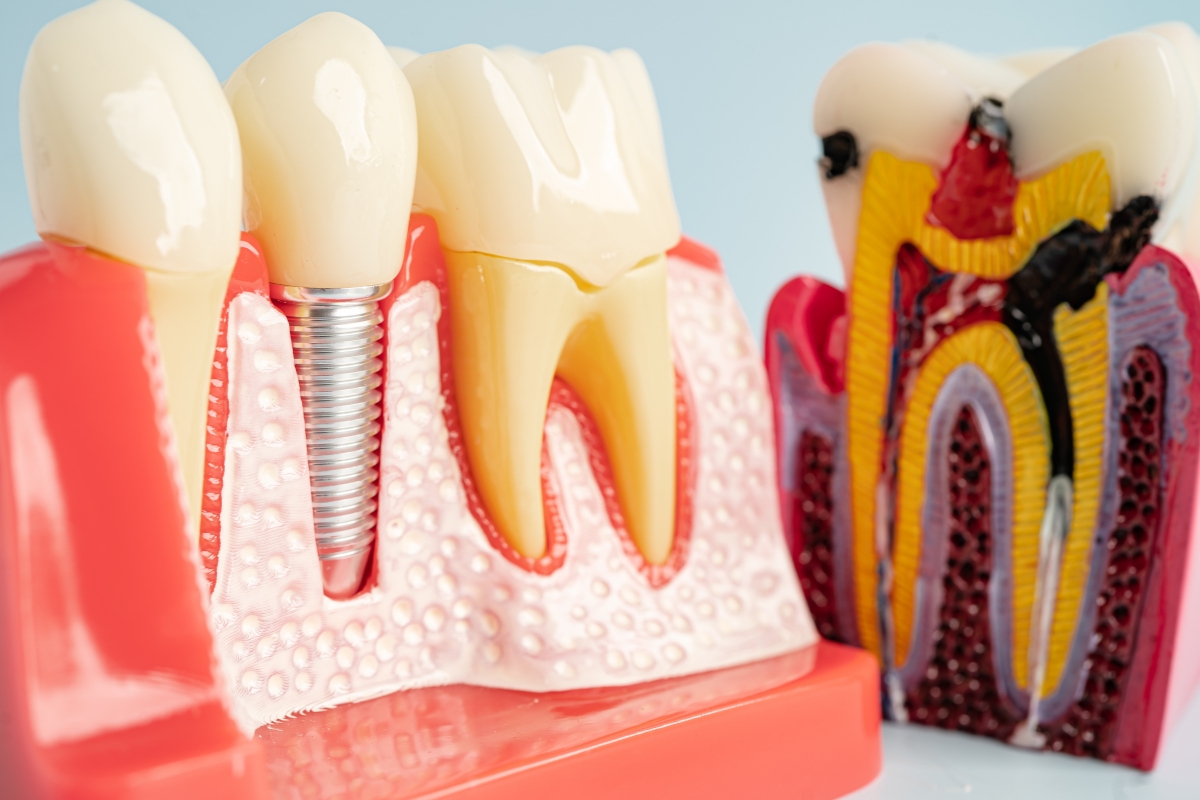
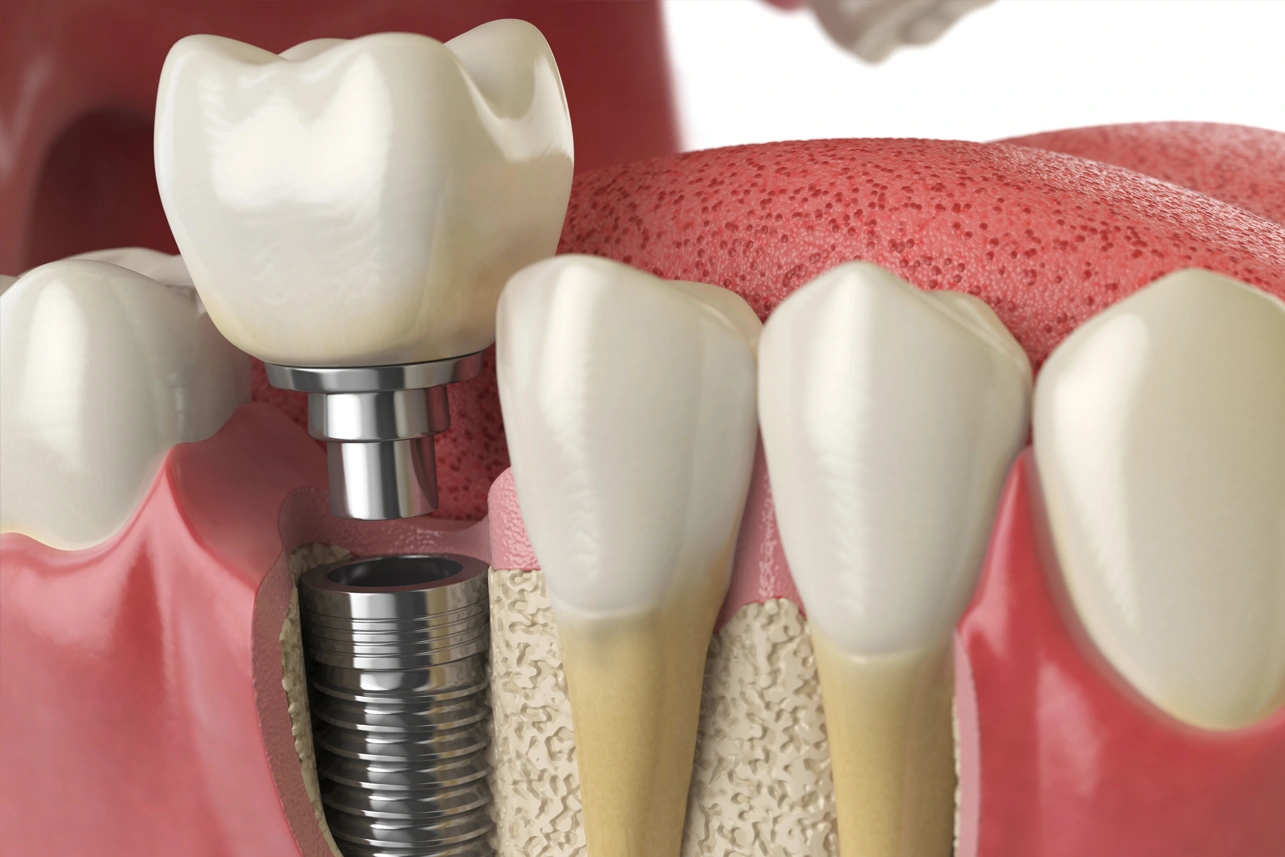
Before diving into the effects of smoking on dental implants, let’s briefly understand what dental implants are and how the procedure works. Dental implants are artificial tooth roots typically made of titanium that are surgically placed into the jawbone beneath the gum line. Once implanted, they provide a stable foundation for replacement teeth such as crowns, bridges, or dentures.
The dental implant procedure involves several stages:
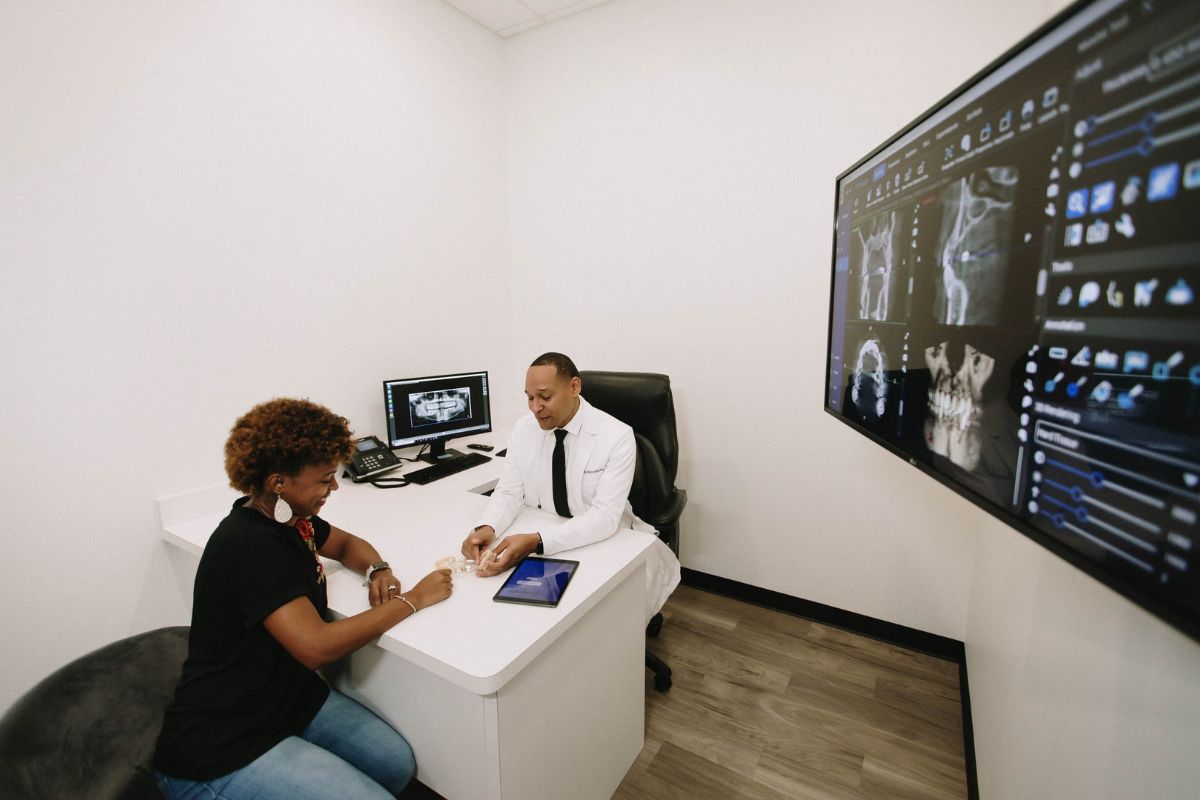
- Evaluation and Treatment Planning: This stage involves a thorough examination of the patient’s dental and medical history, along with imaging tests such as X-rays or CT scans to assess bone density and gum health.
- Implant Placement: During this surgical procedure, the dental implant is inserted into the jawbone. The gum tissue is then stitched back into place, and a temporary restoration may be placed over the implant.
- Osseointegration: Over the next few months, the implant fuses with the surrounding bone through a process called osseointegration, which provides stability and strength to the implant.
- Abutment Placement: Once osseointegration is complete, a small connector called an abutment is attached to the implant. The abutment serves as a base for the final restoration.
- Restoration: The final step involves attaching the artificial tooth or teeth (crowns, bridges, or dentures) to the abutment, restoring the patient’s smile and function.
Effects of Smoking on Dental Implants:
Smoking is well-known for its detrimental effects on oral health, and dental implants are no exception. Here’s how smoking can impact the success of a dental implant procedure:
- Delayed Healing: Smoking constricts blood vessels and reduces blood flow to the gums and jawbone, slowing down the body’s natural healing process. This delayed healing can prolong the osseointegration phase, increasing the risk of implant failure.
- Increased Risk of Infection: Smoking weakens the body’s immune system, making it more susceptible to infections. In the case of dental implants, an infection around the implant site (peri-implantitis) can lead to bone loss and ultimately implant failure.
- Compromised Bone Density: Smoking has been linked to reduced bone density, particularly in the jawbone. Since dental implants rely on sufficient bone mass for stability and support, compromised bone density can negatively impact the success of the implant procedure.
- Greater Risk of Gum Disease: Smoking is a significant risk factor for gum disease (periodontitis), which can compromise the health of the gums and surrounding tissues. Gum disease around dental implants can lead to inflammation, bone loss, and ultimately implant failure.
- Implant Failure: Studies have shown that smokers are at a higher risk of implant failure compared to non-smokers. The combination of delayed healing, increased infection risk, compromised bone density, and gum disease significantly reduces the long-term success rate of dental implants in smokers.
Can You Smoke After the Dental Implant Procedure?
Given the detrimental effects of smoking on dental implants, it’s strongly advised to refrain from smoking during the entire implant process, from pre-surgery to post-operative care. However, patients often wonder if they can resume smoking after the initial healing period. Let’s explore this question in more detail:
- Immediate Post-Operative Period: In the immediate aftermath of the dental implant surgery, smoking should be avoided at all costs. The surgical site is still healing, and smoking can disrupt blood flow, increase the risk of infection, and compromise the integration of the implant with the surrounding bone. Dentists typically recommend abstaining from smoking for at least 72 hours following surgery to allow the initial healing to take place.
- Osseointegration Phase: The osseointegration phase, during which the implant fuses with the jawbone, is critical for the long-term success of the implant. This process can take several months, during which smoking should be strictly avoided. Even occasional smoking during this period can hinder osseointegration and increase the likelihood of implant failure. Patients are advised to adhere to their dentist’s recommendations and refrain from smoking until they receive clearance to do so.
- Long-Term Maintenance: Even after the dental implant has fully healed and the restoration is in place, smokers should exercise caution. Smoking can still pose a risk to the health of the gums and surrounding tissues, potentially leading to complications such as gum disease and implant failure. Dentists may recommend more frequent dental check-ups and cleanings for smokers to monitor their oral health and address any issues promptly.
Alternatives to Smoking:
Quitting smoking can be challenging, but it’s one of the best decisions you can make for your overall health and the success of your dental implants. If you’re struggling to quit smoking, consider seeking support from healthcare professionals, joining a smoking cessation program, or exploring alternative therapies such as nicotine replacement therapy or prescription medications.
In addition to quitting smoking, adopting a healthy lifestyle and practicing good oral hygiene are essential for maintaining the longevity of your dental implants. This includes:
- Brushing your teeth twice a day with fluoride toothpaste
- Flossing daily to remove plaque and debris from between your teeth
- Using an antimicrobial mouthwash to reduce bacteria in the mouth
- Avoiding sugary and acidic foods and beverages that can contribute to tooth decay
- Eating a balanced diet rich in fruits, vegetables, and lean proteins to support overall oral and systemic health
Conclusion:
In conclusion, smoking can have serious consequences for the success of a dental implant procedure. From delayed healing and increased infection risk to compromised bone density and gum disease, smoking negatively impacts every stage of the implant process. Therefore, it’s crucial for patients to refrain from smoking before, during, and after the dental implant procedure to maximize the likelihood of a successful outcome.
If you’re considering dental implants and are a smoker, now is the perfect time to quit. Not only will quitting smoking improve your chances of implant success, but it will also benefit your overall health and well-being in the long run. Remember, your dentist is your partner in achieving optimal oral health, so don’t hesitate to discuss any concerns or questions you may have about smoking and dental implants. Together, you can create a personalized treatment plan that sets you up for a lifetime of healthy smiles.