
Many Richmond patients ask the same question before committing to tooth replacement: do dental bridges really last 10 years? The honest answer is — it depends. Some bridges last a decade with ease. Others show wear much sooner. Understanding what determines your results in Richmond can help you make smarter decisions about your smile and your long-term dental health.
At Inspire Smiles, Dr. Marcus Rhodes works with patients every day to place bridges that stand the test of time. This guide breaks down the real factors behind bridge longevity and what you can do to protect your investment.
What Is the Average Lifespan of a Dental Bridge?
The commonly cited range for dental bridge longevity is 10 to 15 years. Some well-maintained bridges last 20 years or more. Others fail in five to seven years due to preventable causes.
This wide range exists because bridge lifespan is not purely about the material used. It reflects daily habits, oral hygiene, bone health, and how well the supporting teeth hold up over time. Every patient’s situation is different.
The materials matter too. Porcelain-fused-to-metal bridges are durable but can chip. All-ceramic bridges offer natural aesthetics with good strength. Your dentist will recommend the right material based on the location of the missing tooth and your bite patterns.
Key Factors That Shorten Bridge Lifespan in Richmond Patients
Several habits and health conditions can significantly reduce how long your bridge lasts. Knowing these risks helps you take action early.
- Poor oral hygiene: Plaque buildup under the bridge pontic causes decay in the abutment teeth.
- Teeth grinding (bruxism): Grinding places excessive force on the bridge and can crack the porcelain.
- Hard or sticky foods: Chewing ice, hard candy, or sticky caramel can loosen or fracture the bridge.
- Skipping dental cleanings: Without regular teeth cleaning appointments, gum disease can weaken the supporting teeth.
- Untreated gum disease: Bone loss from periodontitis destabilizes the abutment teeth holding the bridge.
- Poorly fitted bridge: An improper fit leads to bite problems and early failure.
Bruxism is especially common and often goes undiagnosed. Dr. Rhodes routinely screens for grinding during routine visits. A custom nightguard can add years to your bridge’s life.
What Extends Your Bridge Results and Keeps It Strong
The good news is that most longevity factors are within your control. Patients in Richmond who follow consistent care routines regularly outlast the 10-year average.
Start with daily cleaning under the bridge. A floss threader or water flosser removes food and bacteria from beneath the pontic. This prevents decay where the bridge meets the gum line — one of the most common failure points.
- Brush twice daily using a soft-bristled toothbrush
- Use a floss threader or interdental brush under the bridge daily
- Rinse with an antimicrobial mouthwash to reduce bacteria
- Avoid hard, crunchy, or extremely sticky foods
- Wear a nightguard if you grind your teeth
- Schedule professional cleanings every six months without exception
Your diet plays a larger role than most patients realize. A balanced diet supports healthy gums and strong abutment teeth. Staying hydrated also prevents dry mouth, which accelerates decay around the bridge margins.
How Dr. Marcus Rhodes Helps You Maximize Your Bridge Longevity in Richmond
Bridge success starts with proper placement. Dr. Rhodes carefully evaluates the health of surrounding teeth before recommending a bridge. If the abutment teeth show signs of weakness, he may suggest alternatives like dental implants for a longer-lasting solution.
The fit and bite alignment of your bridge are also critical. A bridge that sits even slightly off can create uneven chewing forces. Over time, this accelerates wear and can fracture both the bridge and the supporting teeth.
Regular follow-up visits allow Dr. Rhodes to monitor the bridge for early signs of problems. Catching a small issue early — like a loosening cement bond or minor chip — prevents a full replacement later. Prevention is always more cost-effective than repair.
If you have questions about budgeting for your dental care, our team can walk you through available Dental Payment Plans to make treatment more manageable over time.
Bridges vs. Implants: Which Lasts Longer?
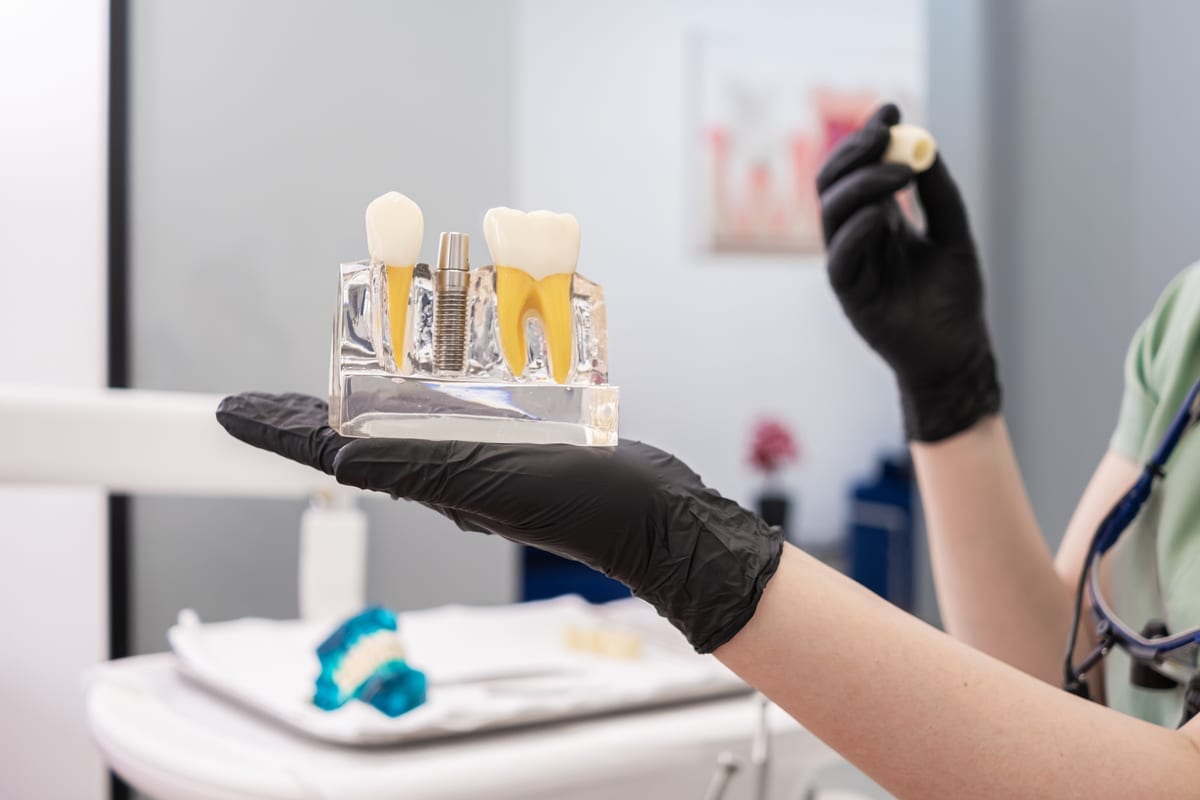
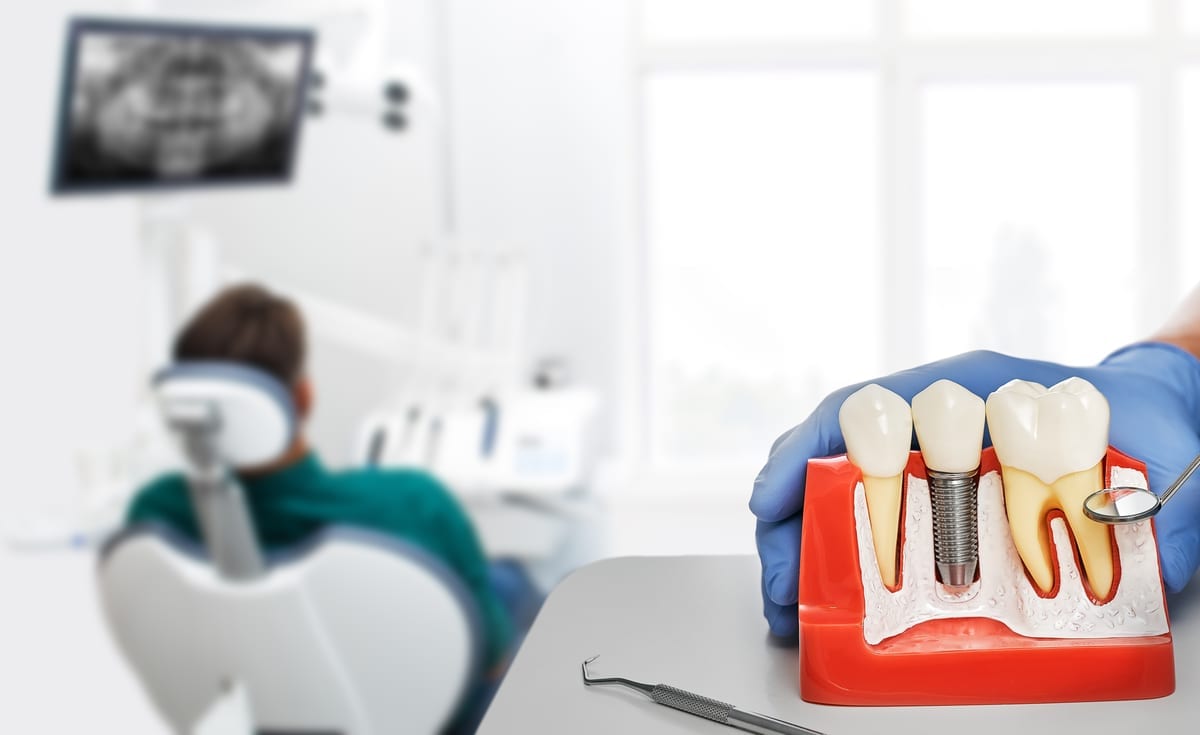
This is one of the most common questions patients ask at Inspire Smiles. Dental implants are designed to be a permanent solution. With proper care, implants can last a lifetime. A traditional bridge, by comparison, may eventually need replacement.
However, bridges remain a strong option for many patients. They are placed faster, require no surgery, and work well when the adjacent teeth already need crowns. The right choice depends on your bone density, budget, and overall oral health.
Dr. Rhodes will discuss both options honestly during your consultation. The goal is always to find the solution that serves your health best — not just the most expensive one.
Conclusion
So, do dental bridges really last 10 years? Yes — and often much longer — when placed correctly and maintained with consistent care. The factors that determine your results in Richmond are largely in your hands. Daily hygiene, regular professional visits, and avoiding harmful habits make a measurable difference. Dr. Marcus Rhodes and the Inspire Smiles team are here to help you protect your bridge and your smile for years to come. Book Now to schedule your appointment with our team.
Frequently Asked Questions
Do dental bridges really last 10 years on average?
Yes, most dental bridges last between 10 and 15 years with proper care. Some last 20 years or more. Longevity depends on oral hygiene habits, diet, the health of supporting teeth, and regular professional maintenance.
What is the most common reason a dental bridge fails early?
The most common cause of early bridge failure is decay in the abutment teeth that support the bridge. This usually results from inadequate cleaning beneath the pontic. Using a floss threader or water flosser daily can prevent this issue.
Can a dental bridge be replaced if it wears out?
Yes, a failed or worn bridge can be removed and replaced. The replacement process involves preparing the abutment teeth again and fitting a new bridge. In some cases, patients transition to dental implants for a more permanent solution.
How often should I visit the dentist if I have a dental bridge?
Patients with dental bridges should schedule professional cleanings and checkups every six months. Regular visits allow Dr. Rhodes to monitor the bridge, check the health of supporting teeth, and address any issues before they become serious problems.
Is a dental bridge or implant a better long-term investment?
Dental implants are generally considered the longer-lasting option, as they can last a lifetime with proper care. However, dental bridges are a strong choice for many patients and can last well over a decade. Dr. Marcus Rhodes will help you compare both options based on your specific oral health needs.