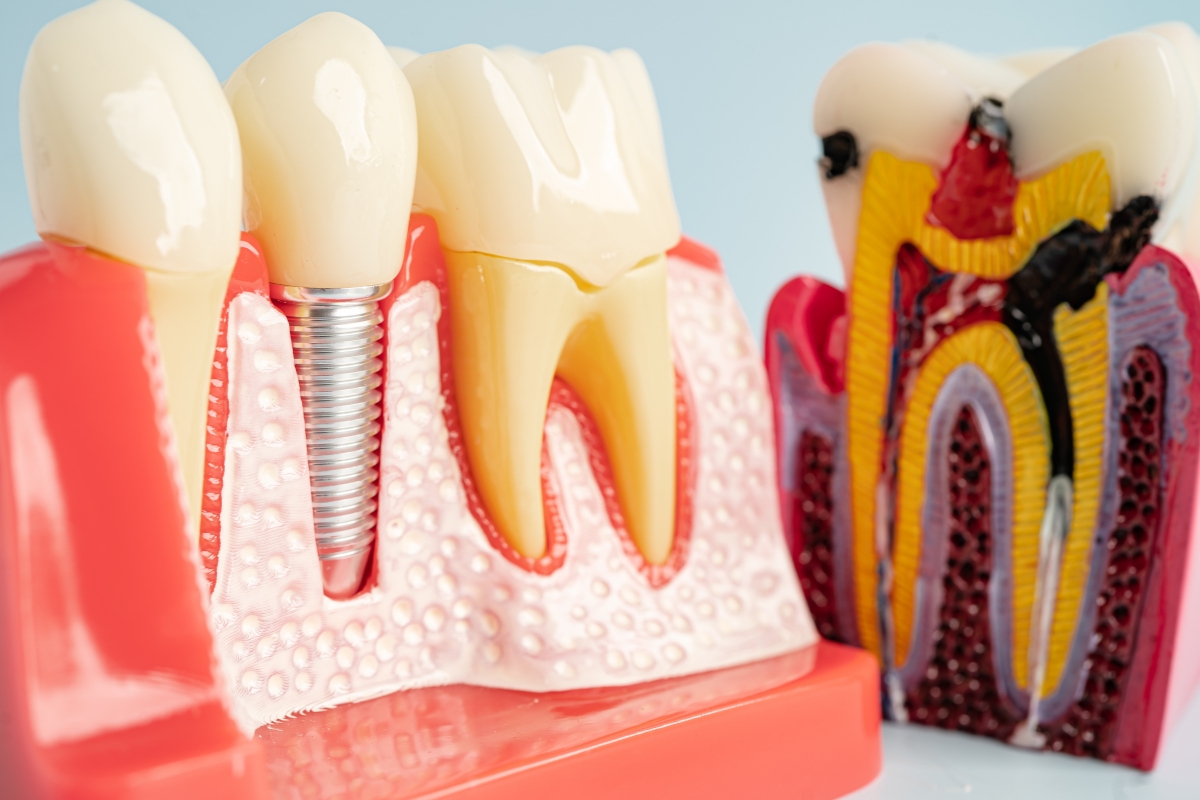

Welcome to the world of dental implants, where the magic of modern dentistry can revive your smile and transform your life. Dental implants offer a revolutionary solution to missing teeth, providing a permanent and natural-looking replacement that restores both function and aesthetics. With their strong foundation and ability to integrate seamlessly with your jawbone, dental implants offer unparalleled stability and durability. Dental implants can help you regain your confidence and enjoy the freedom of eating, speaking, and smiling without hesitation, whether you’ve lost a single tooth or multiple teeth. Let’s embark on a journey to discover the magic of dental implants and unlock the beauty of your smile once again.
What are Dental Implants?
Dental implants are advanced tooth replacement options that mimic your teeth’ natural structure and function. They consist of titanium posts surgically inserted into the jawbone, serving as artificial tooth roots. These posts provide a sturdy foundation for attaching custom-made dental crowns, bridges, or dentures, creating a seamless and functional smile. They offer numerous advantages, such as improved speech, enhanced chewing ability, and increased confidence in appearance. They also prevent bone loss and preserve the integrity of surrounding teeth. They can last a lifetime with proper care, making them a durable and long-lasting solution for missing teeth.
The Dental Implant Process
1. Initial Consultation: The dental implant process begins with an initial consultation where your dentist will evaluate your oral health, examine the condition of your jawbone, and discuss your treatment goals and expectations.
2. Implant Placement: The next step involves the surgical placement of the implant into your jawbone. It is typically done under local anesthesia to ensure a comfortable experience. The implant is carefully positioned and allowed to fuse with the jawbone through osseointegration.
3. Healing and Integration: After the implant placement, a healing period of several months is necessary to allow the implant to integrate with the jawbone fully. During this time, a temporary restoration may be placed to maintain aesthetics and functionality.
4. Restoration Placement: The final restoration is attached once the implant has fully integrated. Depending on the number of missing teeth and your specific needs, it may be a dental crown, bridge, or denture. The restoration is custom-made to match your natural teeth’ color, shape, and size, resulting in a seamless and beautiful smile.
Dental Implants: Types
1. Endosteal Implants: These are the most common type of dental implants. They are placed directly into the jawbone through a surgical procedure. Once the surrounding gum tissue has healed, a second surgery is performed to connect a post to the implant. This post serves as the foundation for the artificial tooth or dental crown.
2. Subperiosteal Implants: These implants are placed on or above the jawbone beneath the gum tissue. A metal framework is fitted onto the jawbone, and as the gums heal, the framework becomes fixed. Protruding posts are then attached to the framework, and artificial teeth are mounted onto the posts.
3. All-on-4 Implants: This technique involves placing only four dental implants in the jawbone to support a full arch of teeth. This method is particularly beneficial for patients with reduced jawbone density, as it maximizes the available bone and avoids the need for bone grafting.
It’s important to consult with a dental professional to determine the most suitable type of dental implant based on your specific oral health needs and treatment goals.
Candidacy for Dental Implants
1. Sufficient Jawbone Density: Adequate jawbone density is essential for dental implant placement and long-term stability. A candidate for dental implants should have a healthy jawbone that can support the implant and withstand the chewing forces.
2. Healthy Gums: Good oral health is crucial for dental implant candidacy. Candidates should have healthy gums free from periodontal disease or other oral infections. Any existing oral health issues should be addressed before considering dental implant treatment.
3. Overall Health and Habits: Candidates for dental implants should have good overall health and not have any medical conditions or habits that may interfere with the healing process. For example, smoking can negatively impact dental implants’ success and increase the risk of complications.
It’s important to consult with a dental professional to determine your specific candidacy for dental implants based on your individual oral health and medical history.
Benefits of Dental Implants
1. Improved appearance: They provide a natural-looking solution for missing teeth, enhancing your smile and facial aesthetics. They are designed to blend seamlessly with your existing teeth, giving you a confident and attractive smile.
2. Enhanced oral function: They function like natural teeth, allowing you to eat, speak, and chew comfortably. Unlike removable dentures, implants are securely anchored in the jawbone, providing stability and preventing slippage while eating or speaking.
3. Long-lasting solution: They can last a lifetime with proper care and maintenance. They are made from durable materials like titanium that are biocompatible and resistant to decay. Implants also stimulate the jawbone, promoting bone growth and preventing bone loss, a common issue with missing teeth.
Overall, dental implants offer a permanent and reliable tooth replacement solution, restoring oral function, confidence, and overall quality of life.
Caring for Dental Implants
1. Maintain good oral hygiene: Brush your teeth twice daily and floss daily, paying extra attention to the areas around the dental implants. Use a soft-bristled toothbrush and non-abrasive toothpaste to avoid scratching the implant surface.
2. Regular dental check-ups: Visit your dentist regularly for professional cleanings and check-ups. Your dentist will examine the implants, surrounding gum tissue, and bone to ensure they are healthy. They may also recommend additional treatments or adjustments if necessary.
3. Avoid damaging habits: Avoid chewing on hard or sticky foods, as they can exert excessive pressure on dental implants. Additionally, refrain from biting your nails, chewing on ice, or using your teeth as tools to prevent damage to the implants.
By following these care guidelines and maintaining regular dental visits, you can ensure the longevity and success of your dental implants.
In conclusion, dental implants offer an excellent solution for replacing missing teeth and restoring smiles. They can significantly improve oral health and quality of life with their natural appearance, durability, and functionality. Whether missing single or multiple teeth, dental implants provide a long-lasting and reliable solution that allows you to regain confidence in your smile. Consult with a qualified dental professional to explore the benefits of dental implants and take the first step towards a renewed and radiant smile.
FAQs:
1. Are they painful?
They surgery is typically performed under local anesthesia, so you should not feel pain. Afterward, some discomfort, swelling, or mild pain may occur, but it can be managed with over-the-counter pain medications prescribed by your dentist. Most patients report that any discomfort is manageable and subsides within a few days.
2. How long do they last?
They are designed to be a long-term solution for missing teeth. Proper care and maintenance can last for several decades or even a lifetime. Regular dental check-ups and good oral hygiene practices are essential to ensure the longevity of your dental implants.
3. Can anyone get these?
Most healthy adults with sufficient jawbone density and good oral health are suitable candidates for dental implants. However, individual factors such as gum disease, bone loss, or certain medical conditions may affect the eligibility for dental implant placement. A thorough examination and consultation with a dentist or oral surgeon will help determine if dental implants are the right option for you.