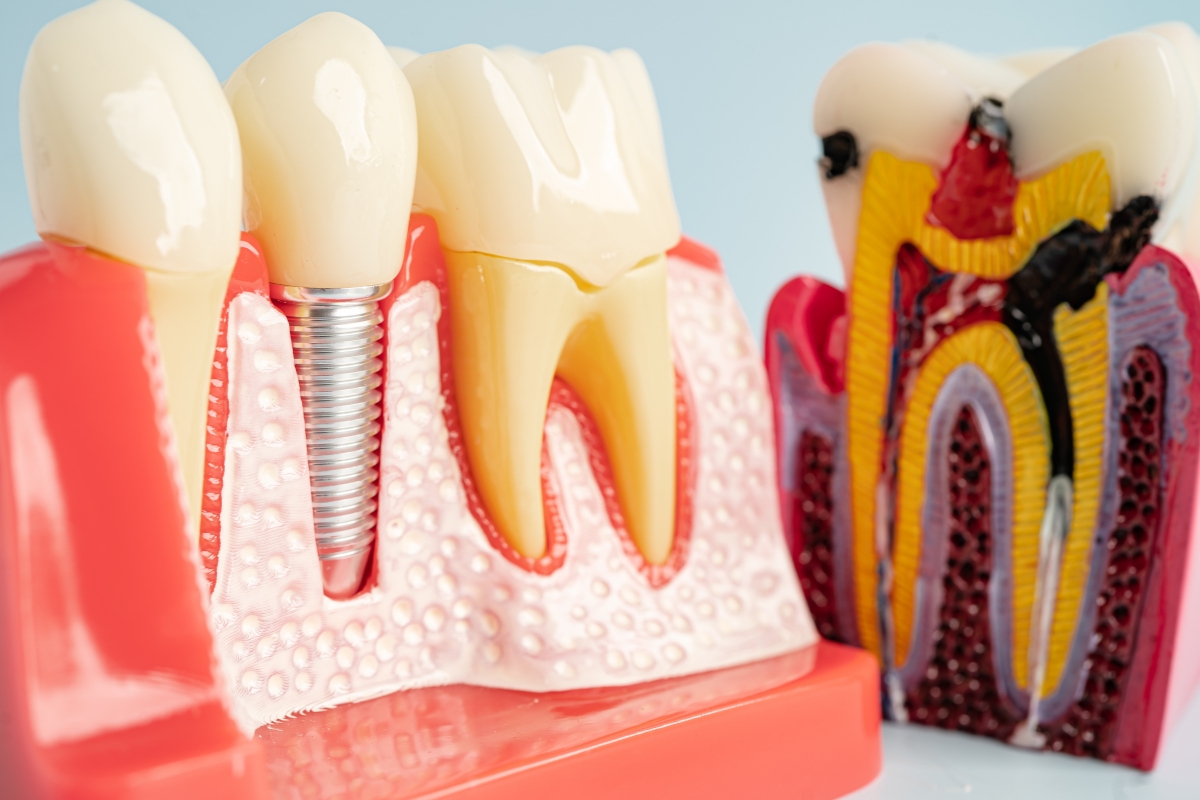

Welcome to our dental blog, where we explore the fascinating world of oral health and all things dentistry! Today, we’re diving into a topic that may sound alarming but fear not – we’re here to shed light on how dentists fix failed dental implants.
Dental implants have revolutionized the field of dentistry, offering a durable and natural-looking solution for those missing one or more teeth. However, like any medical procedure, there is always a small chance of complications or failure. But fret not! With advancements in technology and the skillful hands of your dentist, even a failed implant can be rectified.
In this article, we’ll take you through the reasons behind dental implant failure and highlight the signs that may indicate an issue. We’ll then delve into the steps involved in fixing a failed implant so that you can regain your confident smile once again. And if, by some rare chance, an implant cannot be salvaged? Don’t worry – we’ve got alternative options to explore too!
So without further ado, let’s embark on this informative journey together and discover how dentists tackle the challenge of failed dental implants. Your perfect smile awaits!
Reasons for Dental Implant Failure
Dental implants are an excellent option for replacing missing teeth, but like any medical procedure, they can occasionally fail. Understanding the reasons behind dental implant failure can help patients prevent future complications and ensure a successful outcome.
One common cause of implant failure is poor oral hygiene. If proper care isn’t taken to keep the area around the implant clean, bacteria can accumulate and lead to infection or bone loss. Smoking and certain medical conditions, such as diabetes, can also increase the risk of implant failure.
Another potential reason for failure is improper placement of the implant. This could be due to inexperienced practitioners or inadequate planning before surgery. When an implant isn’t positioned correctly, it may not integrate properly with the surrounding bone, causing instability and eventual failure.
Insufficient bone density in the jaw is yet another factor that can contribute to dental implant failure. Without enough healthy bone tissue to support the implant, it may become loose over time or fail altogether.
Some patients may experience an immune response called “implant rejection,” where their body rejects the foreign material used in dental implants. While this is rare, it’s important for dentists to carefully assess each patient’s suitability for implants before proceeding with treatment.
By addressing these potential causes of dental implant failure and working closely with your dentist throughout treatment and aftercare, you can minimize any risks involved and maximize your chances of a successful outcome.
Signs of a Failed Dental Implant
When it comes to dental implants, the goal is for them to integrate seamlessly into your jawbone and provide a stable foundation for replacement teeth. However, in some cases, dental implant failure can occur. It’s important to be aware of the signs that may indicate a failed dental implant so you can seek prompt treatment.
One common sign of a failed dental implant is persistent pain or discomfort around the implant site. This pain may be accompanied by swelling or tenderness. If you experience these symptoms, it’s crucial not to ignore them as they could be indicative of an underlying issue with the implant.
Another red flag is mobility or movement of the implanted tooth. A stable dental implant should feel just like your natural teeth when biting and chewing. If you notice any wiggling or shifting of the tooth, it could mean that there has been a failure in osseointegration – the process where bone fuses with the implant.
Another sign to watch out for is gum recession around the affected area. Receding gums can expose part of the dental implant structure, making it more susceptible to infection and further complications.
Additionally, if you notice any changes in bite alignment or difficulty with chewing food properly after getting an implant, this may signal an issue with its placement or stability.
It’s important to note that while these signs may indicate a potential problem with your dental implants, only a qualified dentist will be able to provide an accurate diagnosis through thorough examination and imaging techniques.
If you suspect that your dental implant has failed based on these signs, don’t hesitate to contact your dentist immediately for evaluation and appropriate treatment options tailored specifically for your case.
Steps to Fix a Failed Dental Implant
When faced with the unfortunate situation of a failed dental implant, your dentist will take certain steps to address and rectify the issue. Here’s what you can expect during the process:
1. Diagnosis: The first step involves a thorough examination of the implant site to determine the cause of failure. This may include X-rays or CT scans to get a clear picture of the problem.
2. Removal: If necessary, your dentist will remove the failed implant carefully and gently. They will aim to preserve as much surrounding bone and tissue as possible.
3. Bone grafting: In some cases, a bone graft may be needed to rebuild any lost bone structure before placing a new implant. This helps create a solid foundation for success in future attempts.
4. Healing time: After the removal and bone grafting (if required), you’ll need some time for healing before moving forward with another implant placement.
5. New implant placement: Once sufficient healing has occurred, your dentist will place a new dental implant in the same location if deemed suitable by their professional judgment.
6. Monitoring and maintenance: Regular check-ups and diligent oral hygiene practices are crucial after getting a new dental implant to minimize any chances of failure in the future.
Alternatives to Dental Implants
While dental implants have become a popular and effective solution for replacing missing teeth, they may not be the right option for everyone. Fortunately, there are alternative treatments that can provide similar results.
One such alternative is a dental bridge. A bridge consists of one or more artificial teeth supported by adjacent natural teeth or dental crowns. This method doesn’t require surgery like implants do, making it less invasive and more suitable for some individuals.
Another option is removable dentures, which can be taken out and cleaned easily. While dentures may not offer the same stability as implants, advancements in technology have made them more comfortable and natural-looking than ever before.
For those who cannot undergo implant surgery due to underlying health conditions or insufficient bone density, mini dental implants may be an alternative worth considering. These smaller-sized implants require less bone structure and can often be placed without the need for extensive surgical procedures.
It’s important to consult with your dentist to determine which alternative treatment best suits your specific needs and circumstances. They will take into account factors such as oral health, budget constraints, and personal preferences when recommending the most appropriate solution for you.
Remember that each case is unique, so what works well for someone else may not necessarily work well for you. By exploring all available options with your dentist, you can make an informed decision about how to restore your smile confidently without relying solely on dental implants.
Prevention Tips for Avoiding Dental Implant Failure
To ensure the long-term success of your dental implant, it is crucial to take proper care and preventive measures. Here are some tips to help you avoid dental implant failure.
1. Choose an experienced dentist: The expertise of your dentist plays a significant role in the success of your dental implant procedure. Make sure to choose a qualified and experienced professional who specializes in implant dentistry.
2. Good oral hygiene practices: Maintaining excellent oral hygiene is essential for the health and longevity of your implants. Brush twice a day with a soft-bristle toothbrush and use interdental brushes or floss to clean between teeth and around the implant crown.
3. Quit smoking: Smoking not only affects overall health but also increases the risk of dental implant failure due to reduced blood flow and compromised healing process. If you smoke, consider quitting before getting implants.
4. Regular check-ups: Schedule regular visits with your dentist for routine examinations and professional cleanings. These appointments allow early detection of any potential issues that could lead to implant failure, ensuring timely intervention.
5. Avoid excessive force on implants: Be cautious while eating hard foods or using teeth as tools, as excessive force can put stress on implants leading to complications or even fractures.
6. Follow post-operative instructions: After receiving dental implants, carefully follow all post-operative instructions provided by your dentist, including dietary restrictions, medication usage, and oral care routines.
7. Maintain good overall health: General well-being contributes significantly to successful outcomes after any surgical procedure, including dental implant placement. Eat a balanced diet rich in nutrients that support bone health while avoiding habits detrimental to overall wellness like excessive alcohol consumption or poor nutrition choices.
Dental implant failure can be a frustrating setback for patients seeking to restore their smiles and oral health. However, with advancements in dental technology and the expertise of skilled dentists, there are effective solutions for fixing a failed implant.
Identifying the signs of implant failure early on is crucial for prompt treatment. Patients should pay attention to symptoms such as pain, swelling, discomfort while chewing or speaking, and loose or shifting implants. When these indicators arise, it is essential to consult with a dentist as soon as possible.
To minimize the risk of dental implant failure in the first place, prevention is key. Adhering closely to post-operative care instructions provided by your dentist can greatly enhance success rates. Maintaining good oral hygiene habits, including regular brushing and flossing, along with routine visits to your dentist, will also contribute significantly towards long-term success.