Straightening your teeth is a common concern for many individuals, but what if you’re also expecting a little one? Is it safe to undergo orthodontic treatment while pregnant? If you’ve been considering Invisalign as your go-to option for achieving that perfect smile, you might be wondering if it’s suitable during pregnancy. Don’t worry; we’ve got the answers for you! In this blog post, we’ll explore the safety of using Invisalign while pregnant and provide valuable insights into whether or not it’s a viable option for expectant mothers. So sit back, relax, and let’s dive in!
What is Invisalign?
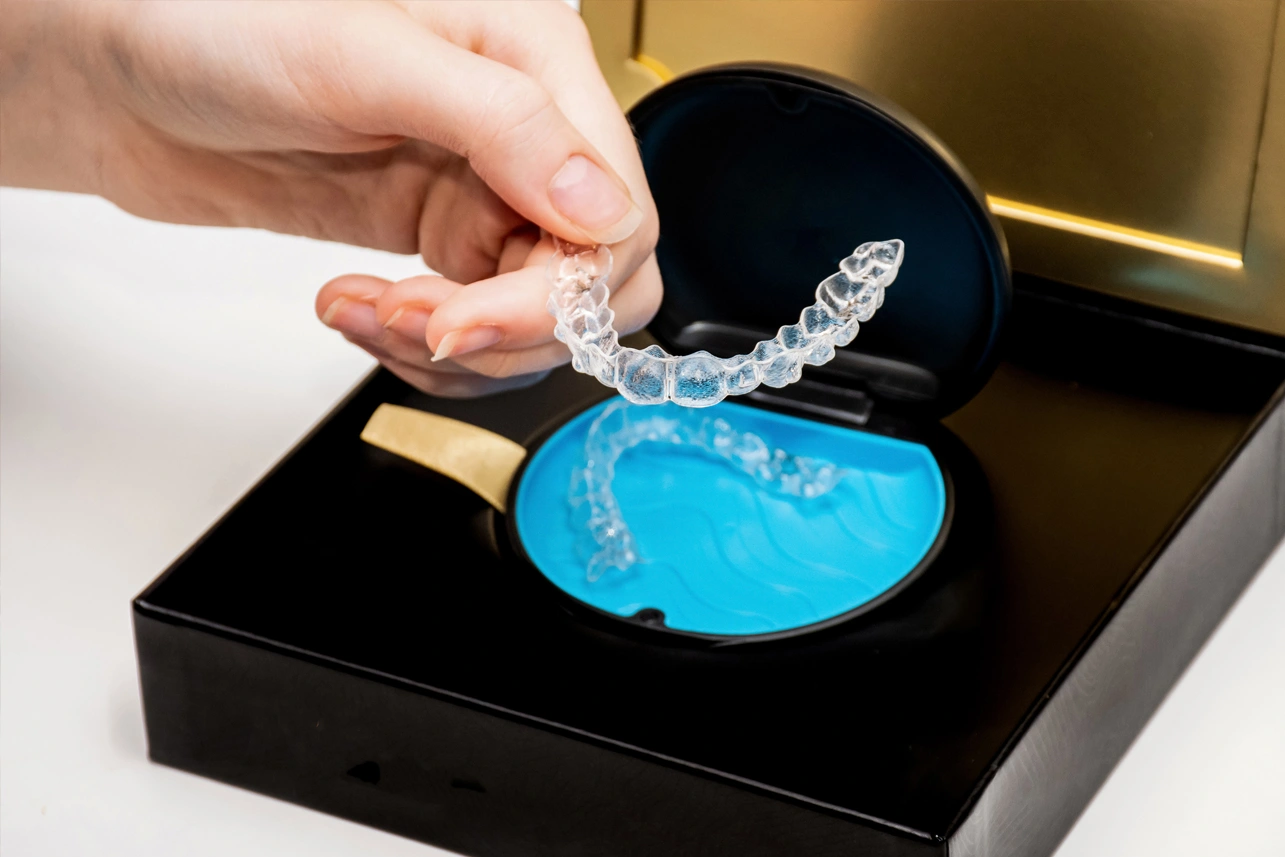
- Invisalign is a modern and innovative orthodontic treatment that offers an alternative to traditional metal braces. It consists of a series of clear plastic aligners that are custom-made for each patient. These aligners gradually shift your teeth into their desired position, giving you the straight smile you’ve always dreamed of.
- Unlike traditional braces, Invisalign aligners are virtually invisible when worn on your teeth. This discreet feature makes them a popular choice among individuals who want to improve their smiles without drawing attention to the fact that they’re undergoing orthodontic treatment.
- The process begins with a consultation with an Invisalign-trained dentist or orthodontist who will assess if this treatment is suitable for you. They will take digital impressions of your teeth using 3D scanning technology, allowing them to create a personalized treatment plan tailored specifically to your needs.
- Once your customized set of aligners is ready, typically within two weeks, you can start wearing them. Each set is worn for about two weeks before moving on to the next one in the series. Over time, these gradual changes will guide your teeth into proper alignment.
- One significant advantage of Invisalign over traditional braces is its removability. You can take out the aligners when eating or drinking anything other than water and during oral hygiene routines like brushing and flossing. This flexibility allows for easier maintenance and minimizes dietary restrictions compared to conventional braces.
What are the risks of Invisalign while pregnant?
- Pregnancy is a time of many changes and considerations, especially when it comes to medical procedures or treatments. It’s only natural for expectant mothers to wonder about the risks associated with undergoing Invisalign while pregnant.
- When it comes to the potential risks of Invisalign during pregnancy, there is limited research available. However, orthodontic experts generally advise against starting any new dental treatment during this time. This caution stems from concerns regarding oral health in general during pregnancy rather than specific risks related to Invisalign.
- During pregnancy, hormonal changes can lead to an increased risk of gum disease and tooth decay. These conditions may be exacerbated by wearing aligners that could potentially trap food particles and bacteria against the teeth if not cleaned properly. Additionally, some pregnant women may experience morning sickness which can also contribute to dental issues.
- It’s best for expectant mothers to prioritize their overall oral health and consult with both their obstetrician and dentist before making any decisions about starting or continuing with Invisalign treatment during pregnancy.
How does Invisalign work?
- How does Invisalign work? Well, this innovative orthodontic treatment uses a series of clear aligners to gradually straighten your teeth. Each aligner is custom-made for you, designed to fit snugly over your teeth and gently shift them into the desired position.
- The process begins with a consultation with an Invisalign provider who will assess your dental needs and determine if you are a suitable candidate for the treatment. If approved, 3D imaging technology will be used to create a digital representation of your teeth and map out their movement throughout the treatment.
- Based on this digital plan, a series of aligners will be created specifically for you. You’ll wear each set of aligners for about two weeks before progressing to the next set in the series. As you switch to each new aligner, your teeth will gradually move closer towards their final alignment goal.
- One of the key advantages of Invisalign is its flexibility and convenience. The aligners can be easily removed when eating or brushing your teeth, ensuring better oral hygiene compared to traditional braces.
- In addition, these clear aligners are virtually invisible when worn, making them an attractive option for individuals who may feel self-conscious about wearing traditional metal braces.
- While there may be some discomfort during the adjustment period as your teeth shift positions with each new set of aligners, many people find that they adapt quickly and comfortably to wearing Invisalign trays.
- So there you have it – a brief overview of how Invisalign works! It’s important to consult with both an orthodontist and obstetrician if considering this treatment while pregnant or planning pregnancy due to potential risks associated with hormonal changes affecting tooth movement during pregnancy.
Is it safe to do Invisalign while pregnant?
- Pregnancy is a special time in a woman’s life, filled with joy and anticipation. But it can also bring about various concerns and questions regarding what is safe for the mother and the growing baby. One common question that arises is whether it is safe to undergo Invisalign treatment while pregnant.
- Invisalign is a popular orthodontic option for straightening teeth without traditional metal braces. It uses clear aligners that are custom-made to fit snugly over your teeth, gradually shifting them into alignment. The aligners are removable, making them convenient and comfortable.
- When it comes to safety during pregnancy, it’s always important to consult with your healthcare provider before starting any new treatment or procedure. While there haven’t been extensive studies specifically addressing the safety of Invisalign during pregnancy, many dentists and orthodontists recommend postponing elective dental procedures until after delivery.
- During pregnancy, hormonal changes can affect oral health, leading to an increased risk of gum disease and tooth decay. It’s crucial to prioritize regular dental check-ups and maintain good oral hygiene practices such as brushing twice daily and flossing regularly.
- While Invisalign may seem like a viable option due to its convenience and aesthetics, there are potential risks involved during pregnancy. These include possible discomfort from tooth movement or irritation of gums due to hormonal changes.
- As every pregnancy is unique, discussing your specific circumstances with your healthcare provider will ensure you make an informed decision about undergoing any dental treatment while pregnant. They can provide guidance based on your individual needs and help weigh the potential benefits against the potential risks.
Considering the potential risks and uncertainties surrounding dental treatments during pregnancy, it is always advisable to consult with your dentist or orthodontist before starting any new procedures. While Invisalign may seem like a convenient and safe option for straightening teeth, there are still some factors to consider when you are pregnant.
Pregnancy brings about hormonal changes that can affect oral health, including gum sensitivity and increased risk of gum disease. It is important to prioritize your overall well-being during this time. Your dentist will be able to assess your individual situation and provide guidance on whether it is safe to proceed with Invisalign treatment while pregnant.
The decision should be based on thorough discussions between you, your dentist, and possibly even your OB-GYN. Together, they can evaluate the potential risks versus benefits and determine the best course of action for your specific needs.
Remember that every pregnancy is unique, so what might be suitable for one person may not be appropriate for another. The priority should always be the health and safety of both mother and baby.
While Invisalign has been proven effective in treating various orthodontic issues in non-pregnant individuals, its use during pregnancy presents some challenges due to hormonal changes impacting oral health. Therefore, it is essential to seek professional advice from qualified dental professionals who can guide you through making an informed decision regarding orthodontic treatment during this special time in your life.