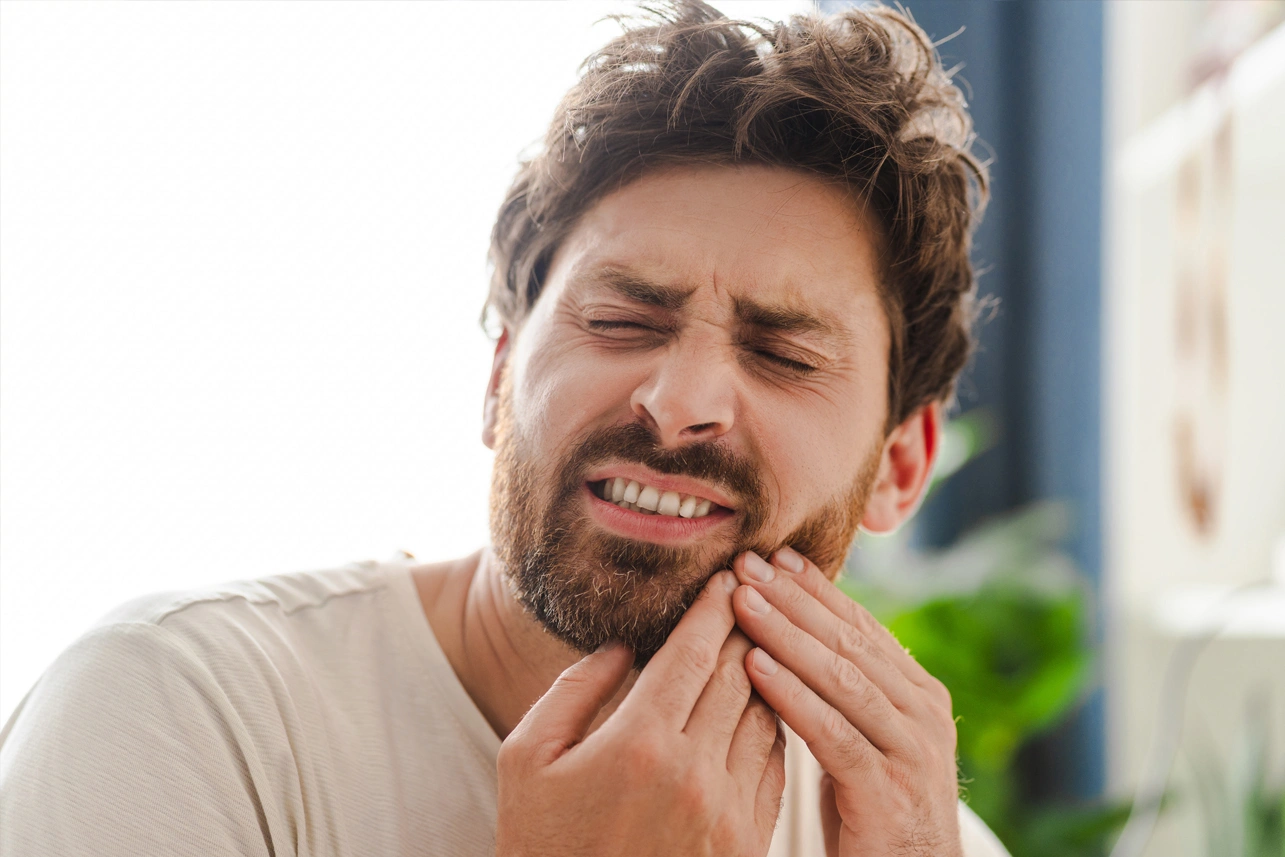
Have you ever woken up with a sore jaw, a dull headache, or worse—a loose tooth? If so, you might be one of the millions of people unknowingly grinding or clenching their teeth at night. This condition, known as bruxism, doesn’t just ruin your sleep—it can wreak havoc on your oral health, leading to loose teeth, enamel erosion, and even tooth loss.
But don’t panic just yet! In this article, we’ll dive into the causes of bruxism, why it can lead to loose teeth, and most importantly, how you can stop it before it causes irreversible damage. Let’s get to the root of the problem and save your smile.
What Is Bruxism?
Bruxism is the medical term for grinding, gnashing, or clenching your teeth, often unconsciously. It can happen during the day (awake bruxism) or at night (sleep bruxism), with the latter being more common—and more damaging. Many people don’t even realize they’re doing it until they experience symptoms like jaw pain, headaches, or, in severe cases, loose teeth.
Why Does Bruxism Cause Loose Teeth?
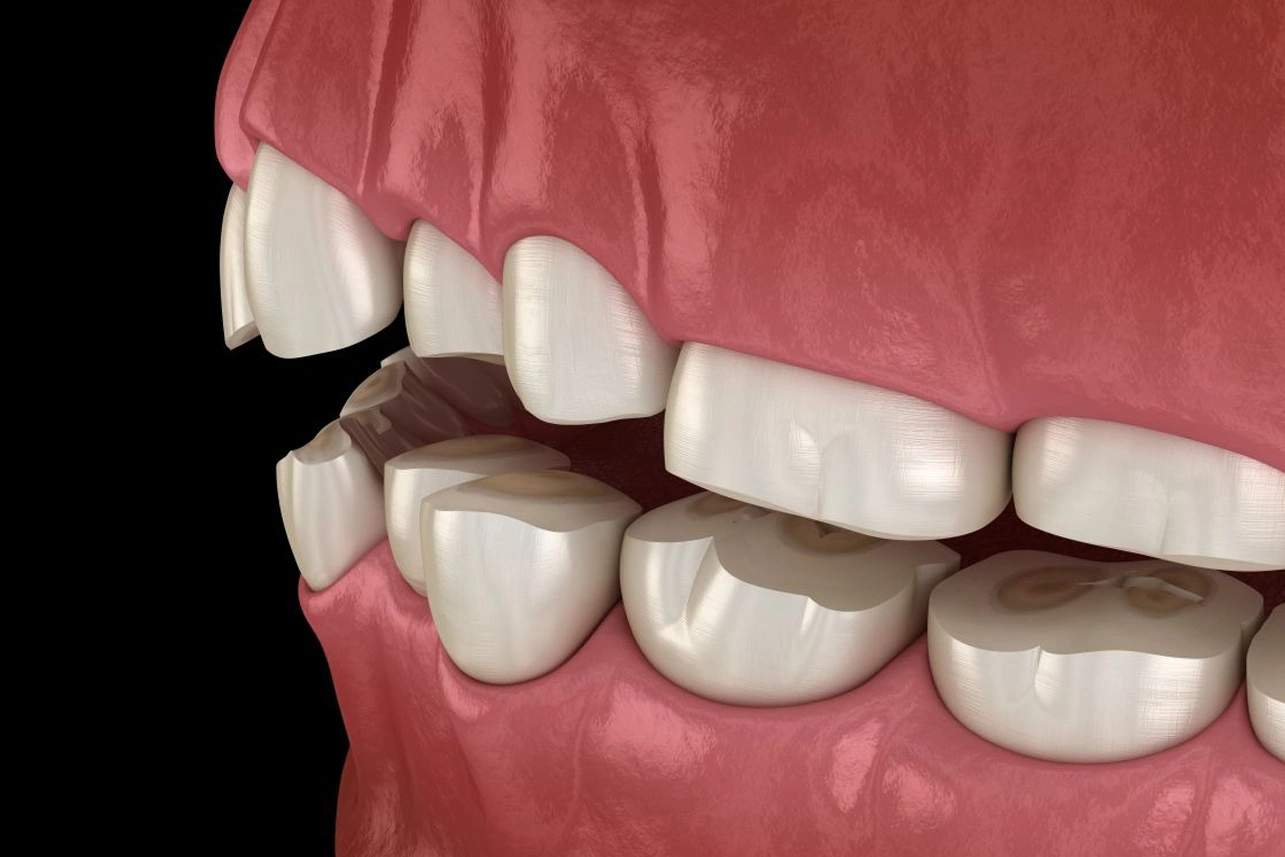
Your teeth are designed to handle a lot of pressure, but they’re not indestructible. When you grind or clench your teeth repeatedly, the excessive force can:
- Damage the Periodontal Ligament: This is the tissue that holds your teeth in place. Over time, the constant pressure can weaken this ligament, causing your teeth to loosen.
- Wear Down Enamel: Grinding erodes the protective enamel on your teeth, making them more susceptible to damage and decay.
- Cause Bone Loss: In severe cases, bruxism can lead to bone loss in the jaw, further destabilizing your teeth.
If left untreated, bruxism can lead to tooth loss, which is why it’s crucial to address the issue as soon as possible.
What Causes Bruxism?
Bruxism doesn’t have a single cause—it’s often a combination of factors. Here are some of the most common culprits:
- Stress and Anxiety: Emotional stress is one of the leading causes of bruxism. If you’re constantly feeling tense, your body might take it out on your teeth.
- Misaligned Teeth: If your bite is off, your jaw might unconsciously grind to find a comfortable position.
- Sleep Disorders: Conditions like sleep apnea are often linked to bruxism.
- Lifestyle Factors: Excessive caffeine, alcohol, or smoking can increase your risk.
- Medications: Certain medications, particularly antidepressants, can trigger bruxism as a side effect.
How to Stop Bruxism and Protect Your Teeth?
The good news? Bruxism is treatable. Here are some effective strategies to stop grinding and protect your teeth:
- Get a Night Guard: A custom-fitted night guard from your dentist is one of the best ways to protect your teeth from grinding. It creates a barrier between your upper and lower teeth, reducing the impact of clenching.
- Reduce Stress: Since stress is a major trigger, finding ways to relax can make a big difference. Try yoga, meditation, or even journaling to unwind before bed.
- Adjust Your Diet: Cut back on caffeine and alcohol, especially in the evening. These can exacerbate grinding.
- Practice Jaw Exercises: Strengthening and relaxing your jaw muscles can help reduce clenching. Ask your dentist for recommended exercises.
- Fix Misaligned Teeth: If your bite is off, orthodontic treatment or dental adjustments might be necessary.
- Treat Underlying Conditions: If you suspect sleep apnea or another sleep disorder, consult a sleep specialist. Treating the root cause can alleviate bruxism.
When to See a Dentist?
If you’re experiencing loose teeth, jaw pain, or other symptoms of bruxism, don’t wait—schedule a visit to your dentist. They can assess the damage, recommend treatment options, and help you prevent further issues. Remember, early intervention is key to saving your smile.
Final Thoughts
Loose teeth from bruxism might sound scary, but with the right steps, you can stop the grinding and protect your oral health. Whether it’s investing in a night guard, reducing stress, or seeking professional help, there’s a solution out there for you.
Your teeth are meant to last a lifetime—don’t let bruxism take that away from you. Take action today and give your smile the care it deserves.
Got questions or tips about dealing with bruxism? Schedule a consultation today to know more!