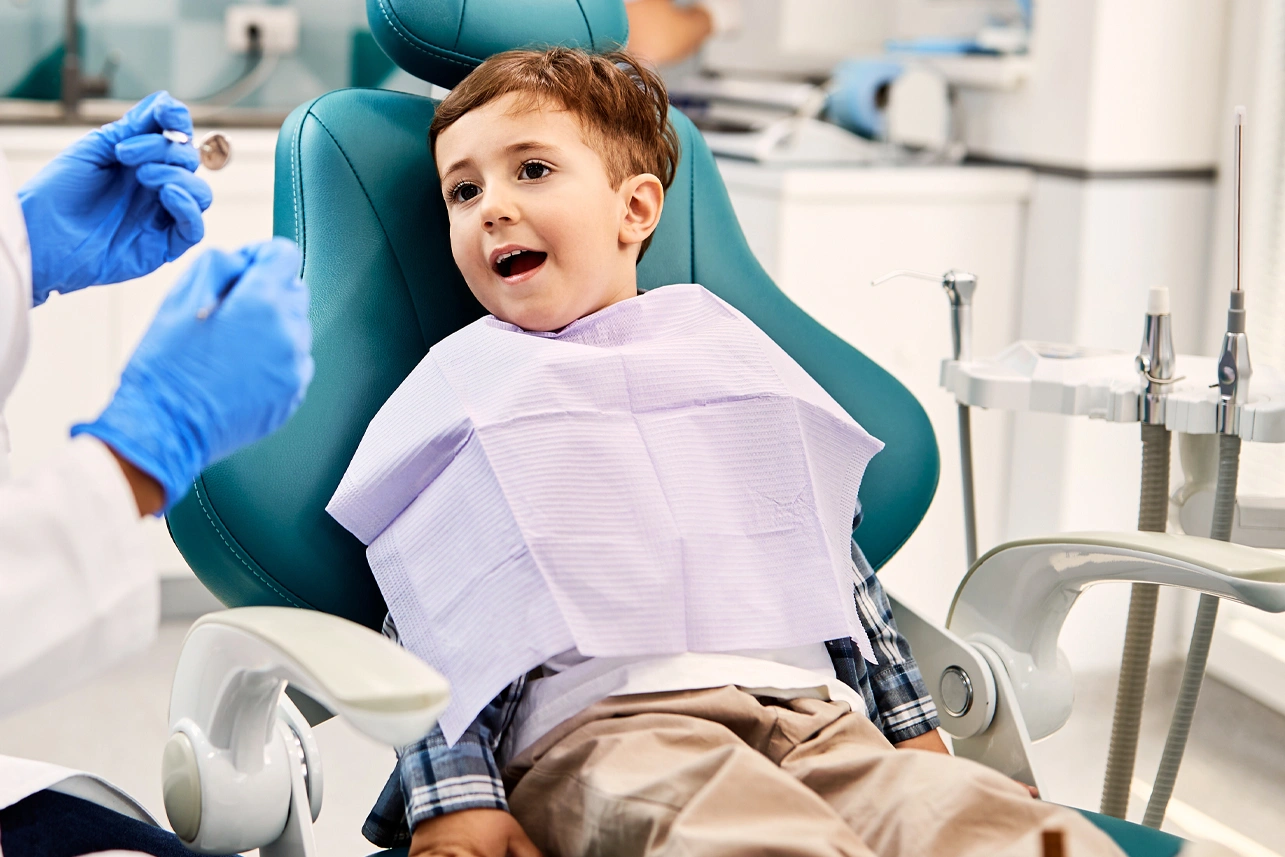

Welcome to the enchanting world of pediatric dentistry, where we unlock the magic of kiddie dental care. Here, we understand the unique needs and challenges of our young patients, creating a nurturing and friendly environment that ensures their dental experiences are positive and enjoyable. From the moment they step into our office, we aim to build trust, instill good oral hygiene habits, and promote a lifetime of healthy smiles. Our skilled and compassionate team is specially trained in pediatric dentistry, equipped with the expertise to provide gentle and age-appropriate dental care for infants, children, and teenagers. Join us on this magical journey of kiddie dental care and watch your child’s smile shine.
Pediatric Dentistry: Overview
Pediatric dentistry is a specialized branch of dental care that focuses on the oral health of infants, children, and adolescents. It is crucial to provide age-appropriate and gentle dental care to children to ensure their oral health and development. Pediatric dentists are trained to handle the unique needs and behaviors of young patients, making dental visits comfortable and positive experiences. The scope of pediatric dentistry includes preventive care, dental examinations, cleanings, fluoride treatments, cavity fillings, and guidance on proper oral hygiene. By addressing dental issues early and educating children about oral health, pediatric dentistry plays a vital role in setting the foundation for a lifetime of healthy smiles.
Common Pediatric Dental Issues
1. Tooth Decay and Cavities: Children are prone to tooth decay and cavities due to their developing oral hygiene habits, frequent snacking, and consumption of sugary foods and drinks. Regular dental check-ups, proper brushing and flossing techniques, and a balanced diet can help prevent and address these issues.
2. Thumb Sucking and Pacifier Use: Many children develop habits like thumb sucking or pacifier use, which can affect their oral health and jaw development. Pediatric dentists can provide guidance on breaking these habits and preventing any resulting dental problems.
3. Teething and Gum Problems: Teething is a natural process in which a child’s primary teeth erupt. However, it can cause discomfort, gum irritation, and even mild inflammation. Pediatric dentists can provide guidance on managing teething symptoms and maintaining good oral hygiene during this phase. They can also identify and address any gum-related issues that may arise.
Preventive Care for Children
1. Regular Dental Check-ups: Scheduling regular dental check-ups for your child is crucial for preventive care. These visits allow the dentist to monitor your child’s oral health, detect any potential issues early on, and provide appropriate interventions.
2. Dental Cleanings and Sealants: Professional dental cleanings help remove plaque and tartar buildup, reducing the risk of tooth decay and gum disease. Dental sealants, thin protective coatings applied to the chewing surfaces of the back teeth, help prevent cavities in hard-to-reach areas.
3. Oral Hygiene Education: Teaching children proper oral hygiene habits is essential for preventive care. Educate your child about brushing their teeth at least twice a day with fluoride toothpaste, flossing daily, and maintaining a healthy diet low in sugary foods and drinks.
Additionally, encouraging regular brushing and flossing, limiting sugary snacks, and promoting the use of mouthguards during sports activities can further contribute to preventive care for children’s oral health.
Pediatric Dental Treatments
1. Dental Fillings: If your child has a cavity, the pediatric dentist will remove the decayed portion of the tooth and fill it with a dental filling. This treatment helps restore the tooth’s function and prevents further decay.
2. Dental Sealants: Dental sealants are thin, protective coatings applied to the back teeth to prevent cavities. They act as a barrier against bacteria and food particles, reducing the risk of tooth decay in the deep grooves and crevices of the molars.
3. Tooth Extractions: In some cases, a tooth extraction may be necessary for children, such as when a baby tooth is severely decayed, crowded, or preventing the eruption of a permanent tooth. Pediatric dentists have the expertise to perform gentle and safe tooth extractions for children when required.
It’s important to note that the specific treatments recommended for your child will depend on their individual dental needs and oral health condition. The pediatric dentist will evaluate and provide appropriate treatments accordingly.
Managing Dental Anxiety in Children
1. Create a Positive Environment: Pediatric dentists often create a child-friendly and welcoming environment to help alleviate dental anxiety. This can include colorful and engaging waiting areas, toys, and friendly staff who specialize in working with children.
2. Communication and Education: Pediatric dentists use age-appropriate language and techniques to explain dental procedures to children, helping them understand what to expect. This can include using visual aids, demonstrating with models, or even role-playing to familiarize children with the dental tools and procedures in a non-threatening way.
By implementing these strategies, pediatric dentists aim to reduce dental anxiety in children, making dental visits a more positive and comfortable experience.
FAQs about Pediatric Dentistry
1. At what age should my child start seeing a pediatric dentist?
It is recommended that children visit a pediatric dentist by their first birthday or within six months after their first tooth erupts. Early dental visits help establish good oral hygiene habits and allow the dentist to monitor the development of the child’s teeth and address any concerns.
2. Are pediatric dentists different from regular dentists?
Yes, pediatric dentists undergo additional training to specialize in the oral health of children. They have a deep understanding of child psychology, behavior management, and dental treatment techniques specific to children. They create a child-friendly environment and use techniques to make dental visits comfortable and stress-free for children.
3. How can I prepare my child for a dental visit?
Preparing your child for a dental visit involves positive reinforcement and age-appropriate explanations. You can talk to your child about what to expect, read books about visiting the dentist, or even role-play dental visits at home. It’s important to remain calm and reassuring, emphasizing that the dentist is there to help keep their teeth healthy and strong.
In conclusion, pediatric dentistry plays a crucial role in ensuring the oral health and overall well-being of children. With specialized knowledge, child-friendly approaches, and preventive care, pediatric dentists create a positive and comfortable dental experience for children. By starting dental visits early and addressing any issues promptly, pediatric dentistry sets the foundation for a lifetime of good oral health habits.