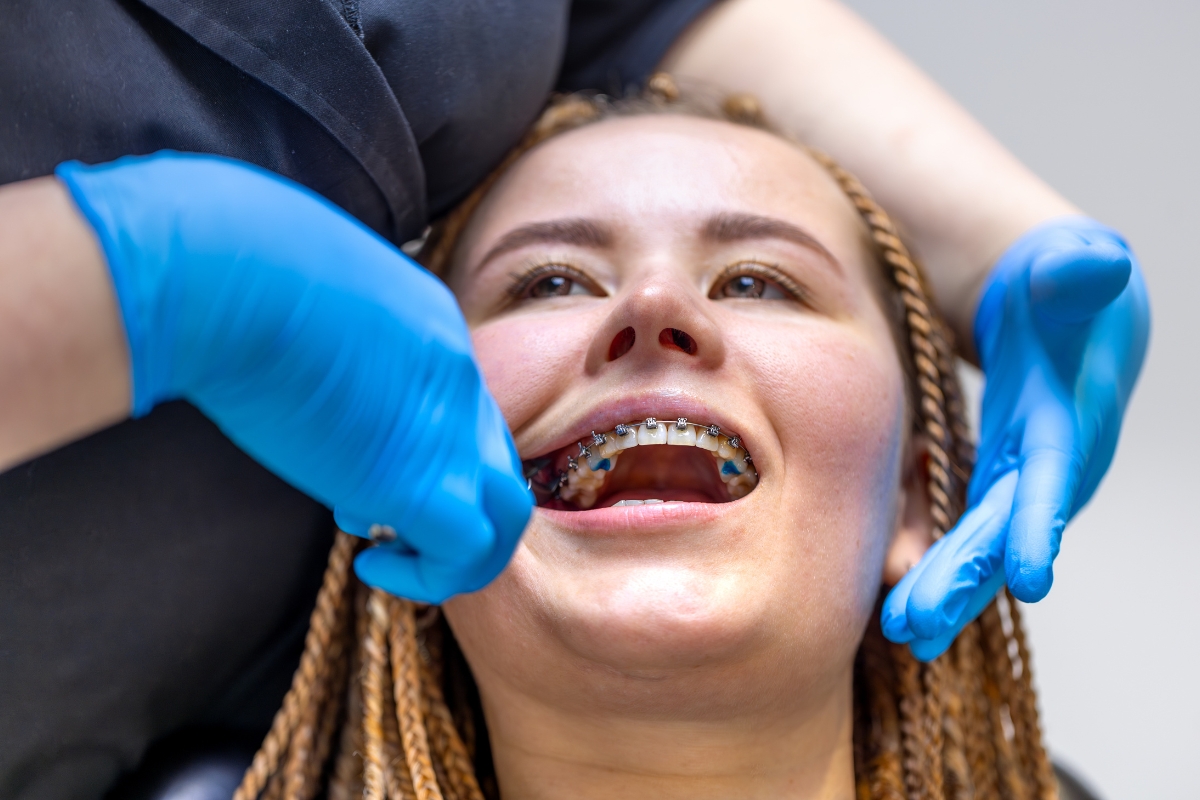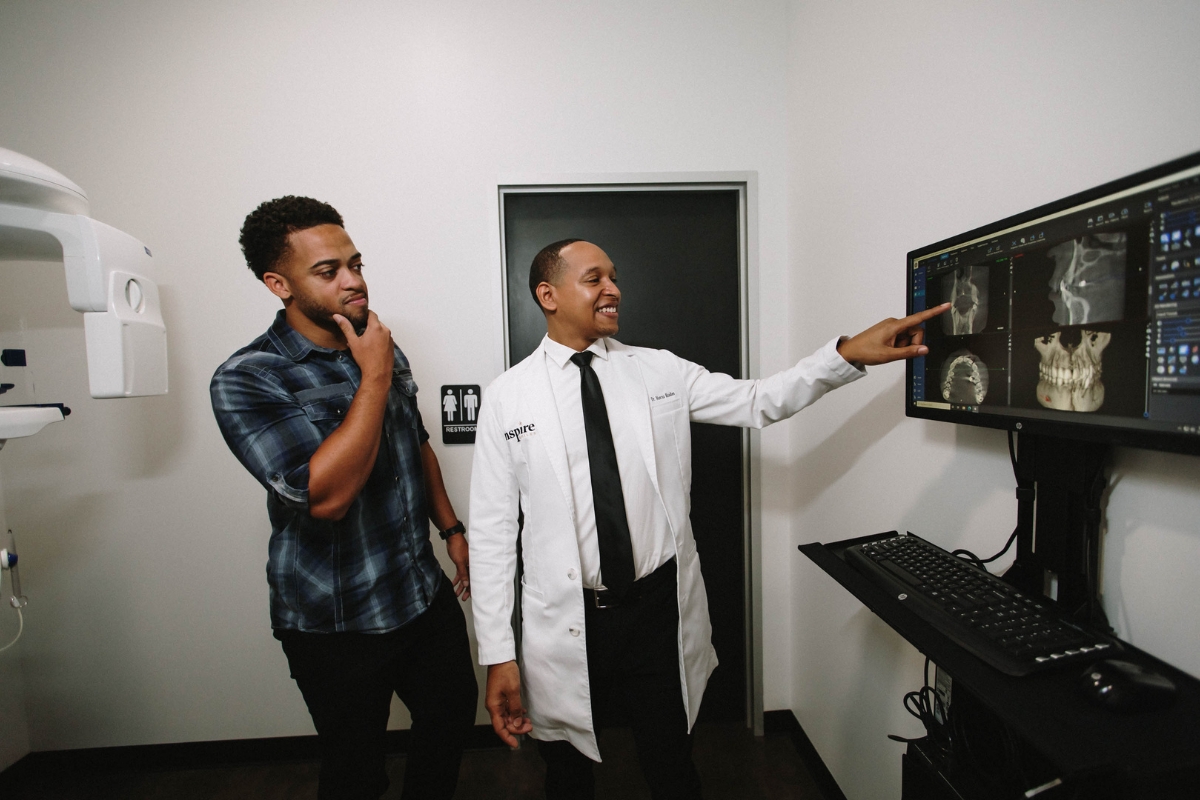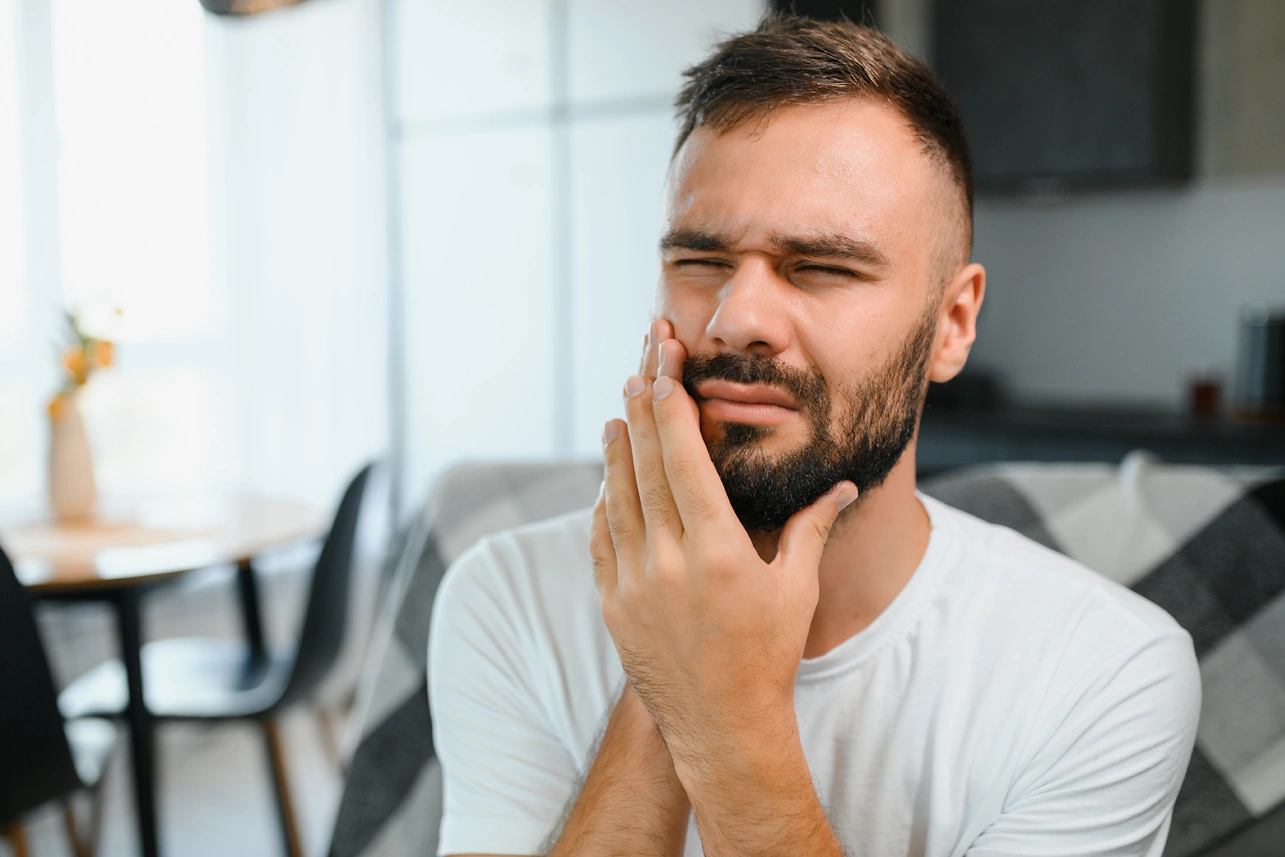

Have you ever experienced sudden and excruciating pain in your teeth, gums, or jaw? Dental emergencies can happen unexpectedly and leave you feeling helpless. Whether it’s a severe toothache, knocked-out tooth, broken braces, or any other dental issue that requires immediate attention, knowing how to respond promptly can make all the difference between saving and losing your precious smile. In this blog post, we will discuss the importance of immediate attention in dental emergencies and provide practical tips on how to handle them effectively.
What Are The Signs Of Dental Emergencies?
Dental emergencies can be quite scary and it is important to know the signs so that you can act promptly. One of the most common signs of a dental emergency is severe tooth pain that persists for an extended period. This could indicate a cavity, abscess, or other issues.
- Another sign of a dental emergency is bleeding gums. If your gums are bleeding excessively and won’t stop after applying pressure, then you may need to visit the dentist immediately as this could indicate gum disease.
- Swelling in the jaw or face can also be indicative of a dental emergency. This swelling could signal an abscessed tooth or infection which requires immediate attention from your dentist.
- In some cases, a broken or missing tooth may require urgent care. Even if there isn’t any significant pain, it’s still important to seek treatment as soon as possible because leaving such conditions untreated could lead to further complications down the line.
If you experience any of these symptoms, do not hesitate to contact your dentist right away so they can assess and provide appropriate treatment for your condition. Remember that early intervention minimizes discomfort and the risk of long-term damage!
How To Respond To A Dental Emergencies
A dental emergency can be a stressful and painful experience, but it’s essential to stay calm and respond quickly. If you or someone you know experiences a dental emergency, follow these steps:
- Stay Calm: The first thing to do is remain calm. Panicking will only make the situation worse.
- Assess the Situation: Identify the severity of the injury or condition by closely examining it.
- Contact Dental Professionals Immediately: Call your dentist immediately if they are available, if not go to an urgent care center or ER Department at Hospital.
- Control Bleeding: For any bleeding in gums use cotton balls on the affected area until help arrives.
- Reduce Pain and Swelling: Use ice packs on cheeks outside where pain/swelling occurred after holding them for 15 minutes take them off for 10 minutes then repeat this process multiple times till professional help arrives
By following these simple steps when responding to a dental emergency, you can ensure that proper care is administered promptly while reducing further complications associated with teeth emergencies like infection or permanent tooth loss due to delays in treatment!
What To Do If You Encounter A Dental Emergency
Encountering a dental emergency can be a scary and stressful situation. However, it’s important to stay calm and take the necessary steps to address the issue.
- Firstly, if you experience severe pain, bleeding or swelling, seek immediate medical attention by calling your dentist or going to an emergency room. Time is of the essence when dealing with dental emergencies as delays in treatment can lead to further complications.
- If you have a knocked-out tooth, try to keep it moist by placing it back into its socket if possible. If this isn’t an option, place it in milk or saliva until you are able to see a dentist. Remember not to handle the tooth too much as this can damage any remaining tissue.
- For broken or cracked teeth, rinse your mouth with warm water and apply pressure with gauze if there is any bleeding. Avoid eating or drinking anything until you receive professional treatment from your dentist.
Don’t forget that prevention is always better than cure – regular dental check-ups and maintaining good oral hygiene can help prevent dental emergencies before they occur.
What To Do If You Can’t Respond To A Dental Emergency
In some cases, we may not be able to respond to a dental emergency. For example, if you witness someone else experiencing a dental emergency and you are not equipped with the proper knowledge or tools to assist them, it’s important to know what steps to take.
- Firstly, call for professional help immediately. Contact your local emergency services and explain the situation clearly and calmly. They will dispatch an ambulance or refer you to the nearest hospital with emergency dental services.
- In the meantime, try providing basic first aid such as applying ice packs on swelling areas or using gauze pads for excessive bleeding. Do not attempt any complicated procedures that could potentially make things worse.
- If possible, stay close by until professional help arrives in case any further assistance is required. Be prepared to provide relevant information about the patient’s medical history if asked by paramedics.
While it can be stressful when encountering a dental emergency that we are unable to handle directly ourselves, knowing how best to act can make all of the difference in ensuring optimal outcomes for those affected.
Dental emergencies can happen at any time and it’s important to be prepared. Knowing the signs of a dental emergency and how to respond can help you save your teeth and prevent further damage. Immediate attention is crucial in dental emergencies as it can make all the difference in saving or losing a tooth.
Remember to stay calm, assess the situation, and contact your dentist immediately if you encounter a dental emergency. With proper care and prompt action, you can minimize the pain and discomfort associated with dental emergencies.
Don’t wait until it’s too late! Take proactive steps to protect yourself from potential dental problems by practicing good oral hygiene habits, such as brushing regularly, flossing daily, eating a healthy diet, and visiting your dentist for regular checkups.
By taking these simple precautions now, you’ll be better equipped to handle any unforeseen circumstances that may arise in the future. So take care of your teeth today because they are an essential part of maintaining overall health!