
Annoyed with the constant ringing and buzzing sounds in your ears? You might be suffering from a condition known as tinnitus. This might disrupt your daily activities, cause stress, and affect your overall well-being. With the increasing popularity of this procedure, many are asking if dental implants can cause this auditory issue. Understand the connection to make informed decisions.
Read this blog to learn if there is actually a connection between this dental procedure and ear disease.
What Exactly Is Tinnitus?
Tinnitus is the perception of sound without any external source. You might experience persistent buzzing, clicking, and humming noises in one or both ears. A variety of factors, like damage to the inner ear’s hair cells, jaw joint dysfunction, circulatory issues, etc, can cause this condition.
You might suffer from this bothersome health issue due to the side effects of certain drugs like high doses of aspirin and antibiotics.
Is There A Link Between Tinnitus and Dental Implants?
Here is how dental implants might end up causing this auditory issue as a side effect:
Damaged Nerves
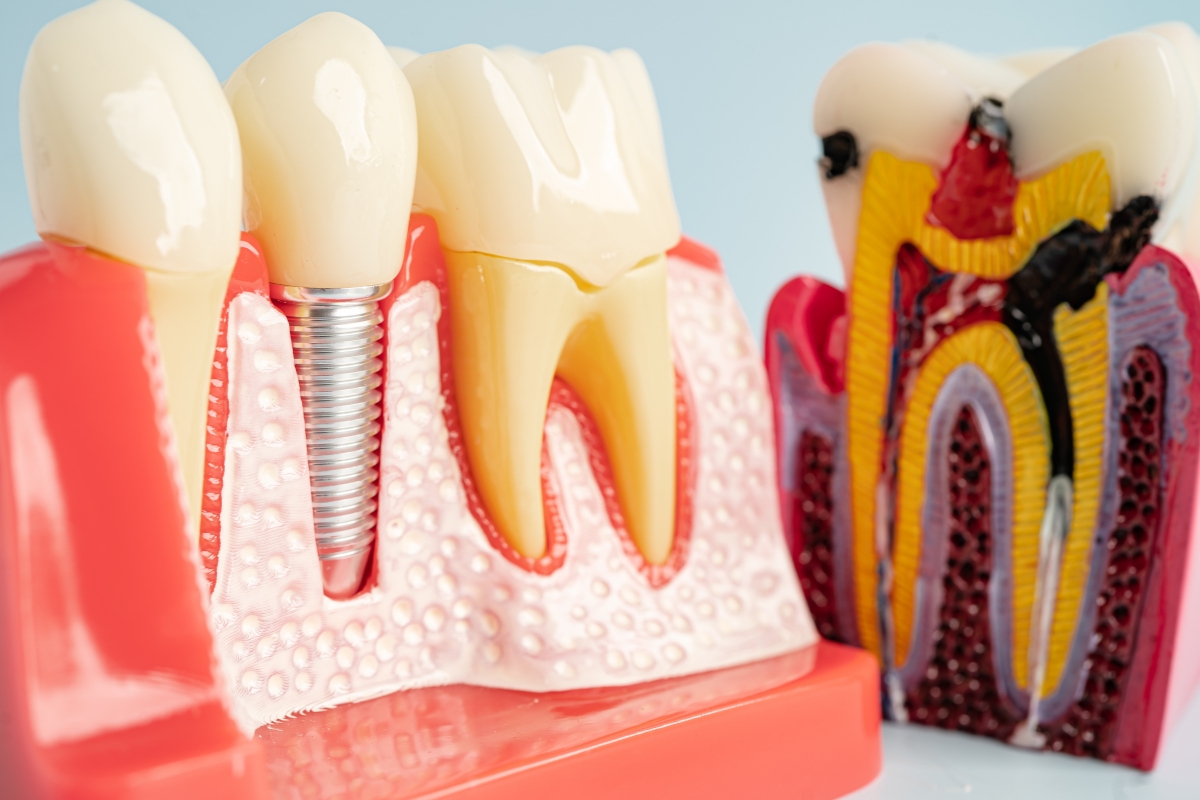
The dentist will drill a hole into your jawbone to place the implant post. This process might harm the inferior alveolar nerve near your lower jaw. If this particular nerve is compressed or disturbed, you might lose sensation in your face and experience tinnitus.
TMJ Stress
Your temporomandibular joint joins your jaw with the skull. If this procedure changes your teeth’ alignment and bite force distribution, your TMJ might get excessively stressed. You might experience this ear issue because of TMJ dysfunction caused by misaligned implants.
Swelling and Infection
You might experience swelling and infections right after the surgery. Swelling near your auditory canal might cause this persistent ear disease. Infections in the implant tissue might end up causing additional complications.
Bite and Occlusion Changes
You might experience teeth misalignment because of an improperly placed implant. This might strain your TMJ and surrounding areas, creating ringing and hissing sounds in your ear.
How To Manage Your Tinnitus After Dental Implants?
Have you developed tinnitus following this procedure? Here is what you can do:
- Deep breathing and meditation can help you reduce stress-induced symptoms.
- Avoid certain substances like caffeine and nicotine, as they may worsen your symptoms.
- White-noise machines and hearing aids with built-in sound generators can provide you with some relief.
- Dentists and audiologists can evaluate the cause of your condition and give you the necessary treatment.
So, always choose oral surgeons who have prior experience in performing dental implant procedures. The dentist should use different tools like 3D imaging and dental X-rays to assess the alignment of your teeth. Discuss your medical history with the dentist to get side-effect-free results for your missing teeth.
Are you worried about experiencing this side effect? Watch out for symptoms like persistent ringing and buzzing sounds in your ears. You might experience this condition only if your dental procedure is not performed and monitored properly. See a dentist or audiologist if you experience extreme discomfort.
Looking for a quality implanting procedure? Contact us for a consultation today!