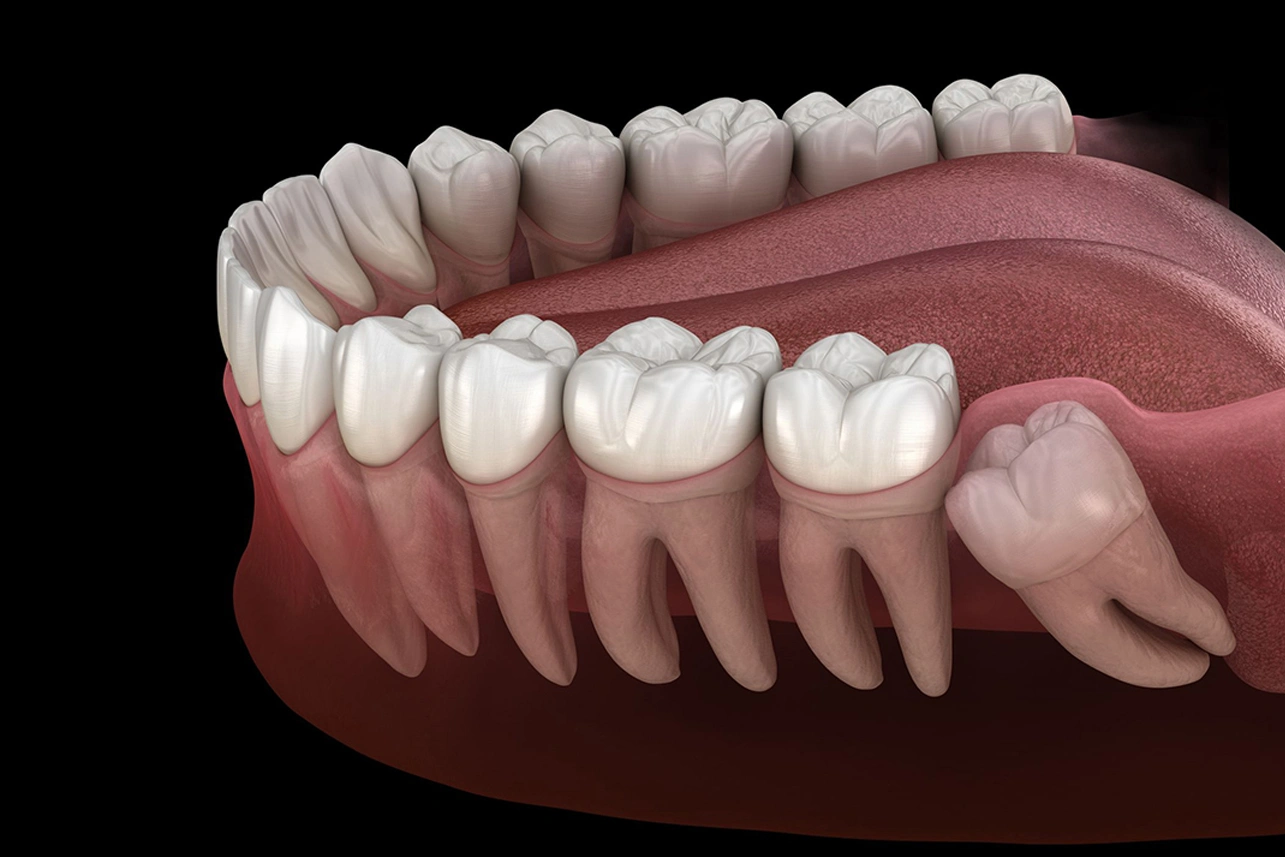

Tooth extraction is a common dental procedure that many patients worry about post-operative bleeding. While mild bleeding is normal after a tooth is removed, knowing how to control it effectively ensures a smoother and more comfortable recovery. This blog will cover practical, useful tips to help you manage bleeding and promote healing after tooth extraction. Whether you’ve just had a tooth removed or are planning the procedure, this guide provides valuable, easy-to-follow advice to help ease your recovery.
1. Use Gauze for Initial Bleeding Control
Immediately after a tooth extraction, your dentist will provide you with gauze to bite down on. This helps form a clot and reduces bleeding.
- Bite down firmly on the gauze for at least 30 to 45 minutes.
- Change the gauze if it becomes soaked, but avoid frequent replacements to give the clot time to form.
- If bleeding persists after the first hour, moisten a fresh piece of gauze and repeat the process.
This simple technique is highly effective for controlling mild to moderate post-extraction bleeding.
2. Avoid Spitting and Rinsing
After teeth extraction, many patients are urged to rinse their mouths or spit frequently. However, doing so can dislodge the clot and prolong bleeding.
- Avoid spitting or rinsing your mouth for 24 hours after the procedure.
- If you must rinse after 24 hours, use a saltwater solution rather than mouthwash, which can be too harsh.
- Make sure to gently rinse your mouth, allowing the solution to flow out passively instead of forcefully spitting it out.
Following these precautions will help preserve the blood clot, which is essential for healing.
3. Keep Your Head Elevated
Gravity plays a significant role in blood flow, and lying flat can increase bleeding at the extraction site. To reduce post-extraction bleeding:
- Keep your head elevated using pillows, especially during sleep or rest.
- Avoid lying flat for the first 48 hours after the procedure.
Keeping your head above your heart allows the blood to flow away from the extraction site, which reduces the likelihood of excessive bleeding.
4. Apply an Ice Pack to Reduce Bleeding and Swelling
Ice packs help minimize swelling and reduce bleeding by constricting blood vessels. Cold therapy can be highly effective during the first 24 hours post-extraction.
- Place an ice pack or cold compress outside your cheek near the extraction site.
- Apply the ice for 15-20 minutes, with a 10-minute break between applications.
This simple technique will help reduce bleeding and swelling, making recovery more comfortable.
5. Avoid Physical Activity and Strenuous Exercise
While it may be tempting to resume your regular activities, rest is critical in controlling bleeding after teeth extraction. Strenuous activities can increase your heart rate and blood pressure, leading to more bleeding.
- Avoid any heavy lifting, running, or intense exercise for at least 48 to 72 hours after the procedure.
- Focus on resting and allowing your body to heal during this time.
Taking it easy for a few days will speed up the healing process and minimize post-extraction bleeding.
6. Steer Clear of Hot Liquids and Foods
Heat can dilate blood vessels, which may increase the chances of bleeding after a tooth extraction. Stick to cool or lukewarm foods and drinks for the first few days after the procedure.
After a tooth extraction, it’s essential to focus on what to eat to promote healing. Knowing the right foods to choose can make a significant difference in your recovery.
- Avoid hot soups, tea, coffee, and other heated foods for at least 48 hours.
- Choose soft, cold foods like yogurt, ice cream, and smoothies to soothe the extraction site and reduce bleeding risk. These healing foods can help ease discomfort and support the recovery process.
This simple dietary adjustment helps prevent unnecessary irritation and promotes faster healing.
7. Take Prescribed Medications as Directed
Your dentist may prescribe medication to manage pain and inflammation after teeth extraction. Some medications, such as nonsteroidal anti-inflammatory drugs (NSAIDs), can help reduce bleeding.
- Take medications only as directed by your dentist.
- Avoid over-the-counter aspirin, as it can thin the blood and prolong bleeding.
If you have concerns about the medications or recovery, consult your dentist to ensure everything is progressing as expected.
8. When to Seek Help: Identifying Excessive Bleeding
While mild bleeding is normal after an extraction, knowing when to seek professional help is essential. If bleeding persists after following the above tips or becomes heavy, contact your dentist.
- Excessive bleeding lasting beyond 24 hours could indicate complications.
- Large clots or continued oozing despite using gauze require immediate attention.
Your dental professional can provide additional guidance or treatment to ensure proper healing if you experience prolonged bleeding.
Controlling bleeding after dental surgery is crucial to ensure proper healing and avoid complications. You can provide a smooth recovery by following the expert tips outlined above—such as using gauze, avoiding certain foods and activities, and staying alert to signs of excessive bleeding. Keeping your extraction site clean and undisturbed is crucial in forming a stable clot and promoting healing. If you notice prolonged or heavy bleeding, don’t hesitate to contact your dentist for further advice.