
Wondering if your smile runs in the family? Learn how genetics play a role in tooth development and disorders from a dentist.
Ever wondered why some people seem to have naturally strong teeth, while others struggle with cavities or misalignment? The answer might lie partly in your genes. Genetics play a surprising role in our oral health, influencing everything from tooth development to our susceptibility to dental problems.
How Do Genes Affect Tooth Development?
Our teeth begin to develop in the womb even before we’re born. Genes provide the blueprint for this development, dictating the size, shape, and enamel thickness of our teeth. Here’s a closer look:
- Tooth Eruption: Genes determine the timing of tooth eruption, influencing when baby teeth appear and are replaced by adult teeth. Delays or early eruption can sometimes be genetic.
- Enamel Formation: The strength and thickness of our tooth enamel, which protects teeth from decay, is partly determined by genetics. Thinner enamel makes teeth more prone to cavities.
- Tooth Size and Shape: The size and shape of our teeth are also influenced by genes. Some people naturally have larger or smaller teeth, or teeth with specific shapes.
Can Genetics Cause Dental Problems?
While genetics don’t directly cause dental problems, they can increase your susceptibility to certain conditions. Here’s how:
- Tooth Decay: Genes can influence saliva composition and pH levels, which impact how effectively your mouth fights bacteria that cause cavities.
- Gum Disease: Certain genes are linked to an increased risk of gum disease, also known as periodontal disease. This can lead to inflammation, bleeding gums, and even tooth loss.
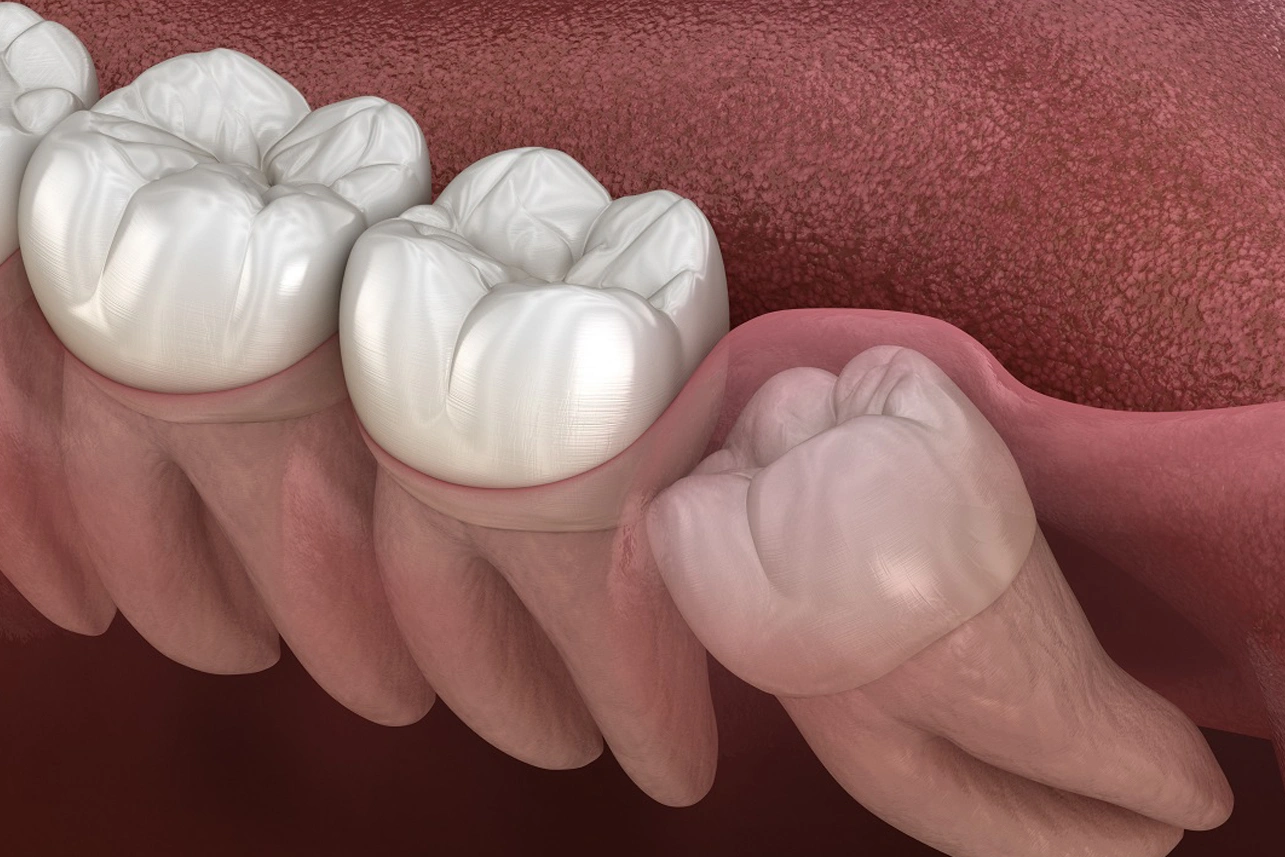
- Misalignment: Jaw size and shape are determined partly by genetics. In some cases, this can lead to teeth crowding, misalignment, or malocclusion (bad bite).
What Can You Do About Your Tooth Genetics?
Even if you have a genetic predisposition for certain dental problems, there’s still a lot you can do to protect your smile. Here are some tips:
- Regular Dental Visits: Visiting your dentist for checkups and cleanings every six months is crucial for preventing and detecting dental problems early.
- Excellent Oral Hygiene: Brushing twice daily for two minutes and flossing once a day are essential for removing plaque and bacteria that contribute to cavities and gum disease.
- Healthy Diet: Eating a balanced diet rich in fruits, vegetables, and calcium helps strengthen teeth and gums. Limit sugary drinks and foods that can promote tooth decay.
- Early Intervention: If you have a family history of dental problems, discuss this with your dentist. Early intervention, such as braces for misalignment, can help prevent future issues.
Conclusion: Partnering with Your Dentist for a Healthy Smile
Genetics play a role in our oral health, but they don’t dictate our dental destiny. By working with a trusted dentist in Richmond TX, practicing good oral hygiene, and maintaining a healthy diet, you can overcome genetic predispositions and achieve a healthy, beautiful smile. So, schedule your next dental appointment today and take charge of your oral health!