
Missing a tooth changes everything. You start avoiding certain foods, you cover your smile in photos, and you feel the gap every time you speak or eat. If you are experiencing tooth loss, you are not alone, and there is a solution that truly works.
Nowadays, the solution of choice is dental implants, which function much like your natural teeth. No slippin’ dentures eatin’ dinner at Lomonte’s. No embarrassing moments at work. That’s all: a cure that returns to everyday life.
In this blog, we will detail what dental implants are, why other options cannot compare to them, and why they’re the right choice for Richmond patients.
What Are Dental Implants?
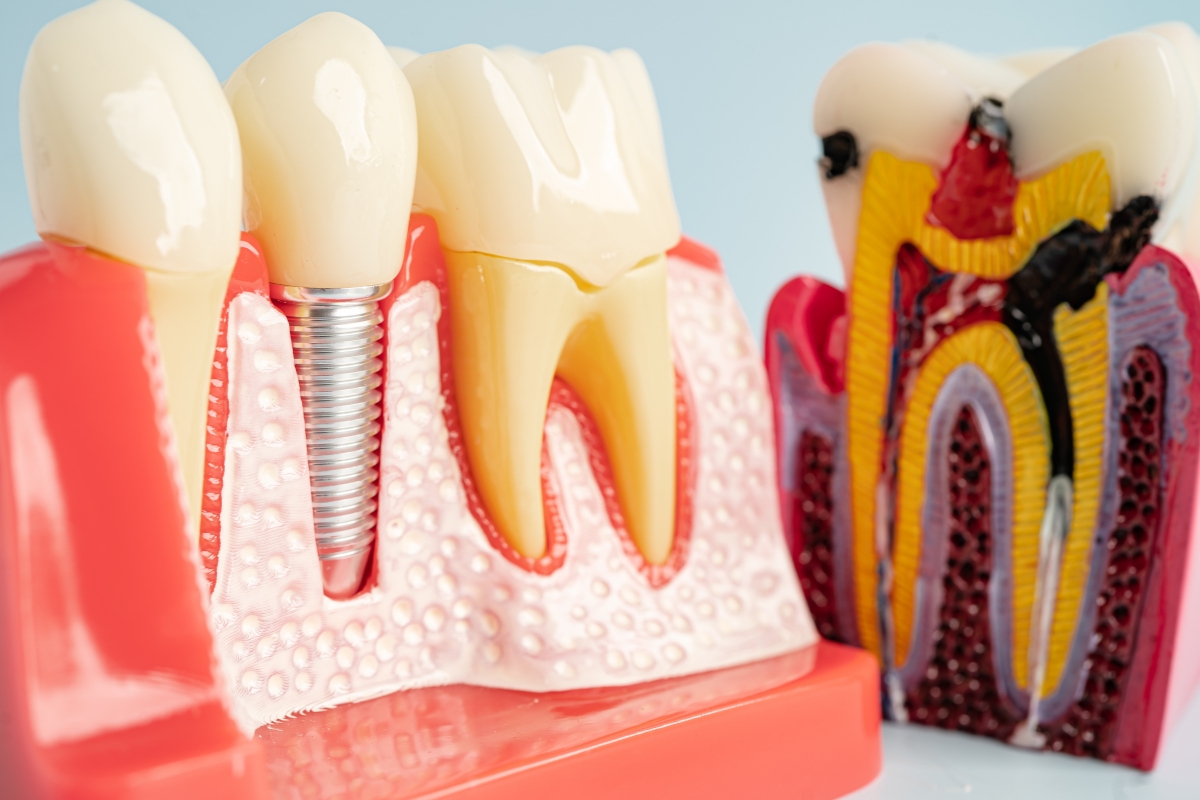
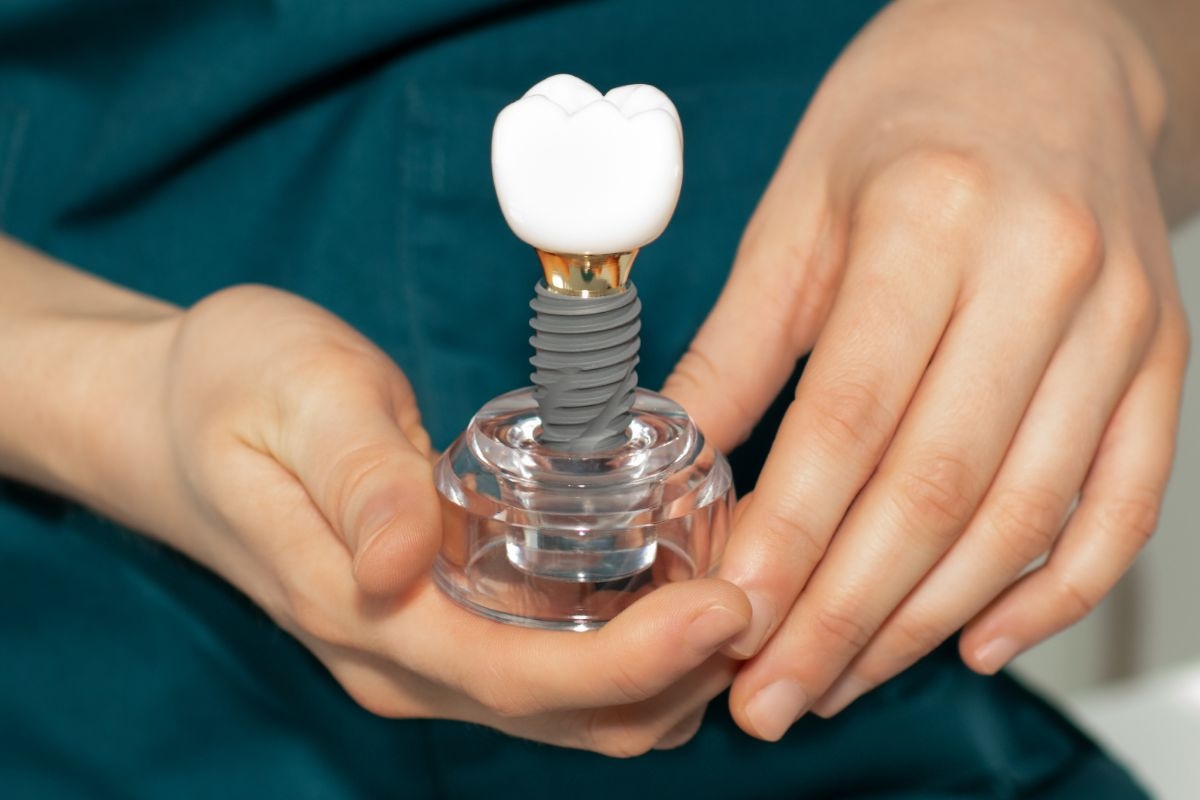
A dental implant is a titanium post surgically inserted into the jawbone. It acts as a tooth root. A crown is then placed once it has anchored in the jawbone (which typically takes 3-6 months).
The result? A prosthetic tooth that looks, feels, and functions like a natural tooth.
Unlike dentures or bridges, dental implants in Richmond, TX do not rely on adjacent teeth for support. They stand alone. The post fuses with your jawbone through a process known as osseointegration, providing a sturdy, durable base for several decades when properly maintained.
Why Dental Implants Beat Other Options
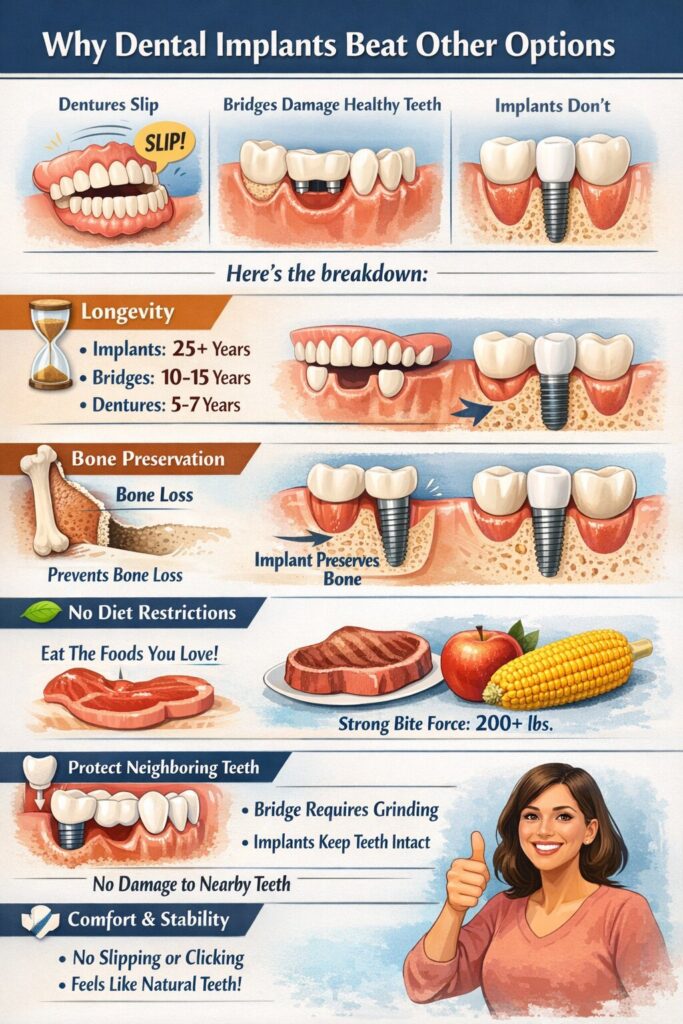
Dentures slip. Bridges damage healthy teeth. Implants don’t.
Here’s the breakdown:
Longevity
Implants can last 25+ years if properly maintained. Dentures should be replaced every 5-7 years. Bridges last about 10-15 years before failing.
Bone preservation
Your jawbone needs stimulation to stay healthy. The bone shrinks after you lose a tooth. Dental implants in Richmond, TX, prevent this by stimulating the jawbone, just as natural tooth roots do. Dentures and bridges don’t stop bone deterioration.
No diet restrictions
Eat steak at Killen’s Barbecue. Bite into an apple. Chew corn on the cob. Implants can generate just as much bite force as natural teeth and withstand around 200-250 pounds per square inch. On the other hand, dentures can withstand 50 pounds of force, which is why many foods become off-limits.
Protect neighboring teeth
Bridges demand grinding the teeth next to them. Yet that’s permanent damage that justifies a replacement. Implants don’t rest against your other teeth.
Comfort and stability
No adhesives. No sore spots from rubbing. You don’t make clicking noises when you talk. Implants are fixed in place.
The Treatment Process in Richmond
Getting implants involves several steps:
- First appointment and imaging – Your dentist takes X-rays or CT scans to evaluate bone density and develop an implant plan.
- Surgical placement – In the jawbone, the titanium post is placed surgically. This is carried out under local anaesthetic. Most patients return to work the next day.
- Healing Time – The bone around the implant takes 3-6 months to osseointegrate. Over time, bone grows around the implant, holding it in place.
- Abutment – A connected piece that is fixed to the implant.
- Crown attachment – Permanent restoration is inserted. It’s custom-made to match your other teeth.
Overall treatment time is 6-9 months, from start to finish. Yes, it takes longer than getting dentures, but the permanence is worth the wait.
Success Rates and Long-Term Outcomes
Dental Implants have been reported to have a success rate of 95-98% by the American Dental Association. Factors that improve success include:
- Good oral hygiene
- Non-smoking status
- Adequate bone density
- Overall health
Implants, if well cared for and properly maintained, can last a lifetime. Regular brushing, flossing, and visits to the dentist (every 6 months) help keep their teeth functioning well.
In less than 5% of cases, the failure is prompted by infection, insufficient bone, or smoking. Even if an implant fails, it generally can be replaced without difficulty.
Who Is a Good Candidate?
The best news is that most adults with missing teeth are candidates for dental implants. Good candidates have:
- Has enough jawbone or is willing to undergo a bone graft
- Healthy gums
- Good overall health
- Commitment to oral hygiene
Age isn’t usually a barrier. Some patients in their 70s and 80s successfully get implants. The important thing is the bone’s health and overall health.
You may need other treatments first if you have:
- Loss of bone (which can be rebuilt with a bone graft)
- Periodontal disease (requires treatment before the procedure can be performed)
- Medical conditions such as uncontrolled diabetes
A dentist will evaluate your situation during a consultation.
Why You Should Select Richmond Local Care
Getting dental implants near your home, whether you are in the Constellation Field or Brazos Town Center area, requires more than one dental appointment. If you have a dentist nearby, it’s easier to schedule an appointment.
Our dentists are conveniently located and live near Richmond. They understand that patients are seeking timely treatment without unnecessary hurdles. They also tend to build long-term relationships, which matters when you’re investing in your oral health for decades.
Take the Next Step Toward a Complete Smile
Missing teeth don’t fix themselves. The longer you wait, the more bone loss takes place, which can further complicate treatment down the line.
With dental implants in Richmond, TX, full function is restored. You eat what you want. You smile without hesitation. You don’t worry about your teeth failing at the wrong moment.
If you are ready to learn more about permanent tooth replacement, contact Inspire Smiles today for a consultation. Obtain an evaluation, ask questions, and determine whether implants are best for you. Your smile and your confidence deserve a solution that actually does the job.
Common Questions People Ask
How painful is the dental implant procedure?
Most patients report minimal discomfort. The procedure is done under local anaesthesia, so you don’t feel pain during placement. Afterward, over-the-counter pain relievers can help with any soreness, which typically lasts 3-5 days.
Can I get dental implants if I have bone loss?
Yes. Bone grafting can rebuild the jawbone before implant placement. This adds time to treatment (3-6 months for graft healing), but it allows patients with bone loss to get implants successfully.
How do I care for dental implants?
Care for them like natural teeth. Brush twice daily, floss once daily, and see your dentist every 6 months for cleanings and check ups. No special products or routines are needed.
Will my insurance cover dental implants?
Coverage varies. Some plans cover portions such as crowns or extractions. Others don’t cover implants at all. Check with your insurance provider and ask your dentist’s office about payment options.