
Oral cancer is one of the most common types of cancer, yet it often goes unnoticed or undetected until it’s too late. It is estimated that over 50,000 Americans will be diagnosed with oral cancer this year alone, and more than 10,000 people will die from it. Early detection is key to successfully treating oral cancer and preventing its deadly effects. That’s why it’s so important to get your oral cancer screening done regularly – and you can start today! In this blog post, we will examine the importance of early detection of oral cancer and discuss what an oral cancer screening entails and how to get one.
What Is Oral Cancer?
Oral cancer is a type of cancer that affects the mouth and throat. It can occur in any part of the oral cavity, including the lips, tongue, gums, inner lining of the cheeks, and roof and floor of the mouth. Like other types of cancer, oral cancer occurs when cells in the affected area begin to grow and divide uncontrollably, forming a tumour. Oral cancer can be life-threatening if it’s not caught and treated early. That’s why it’s important to be aware of the signs and symptoms of oral cancer and to see a dentist or doctor immediately if you notice any changes in your mouth or throat.
Symptoms of Oral Cancer
Symptoms of oral cancer can be difficult to spot in the early stages. Getting an oral cancer screening from your dentist or doctor is important. They will look for abnormal growths or changes in your mouth, tongue, and throat.
Some common symptoms of oral cancer include:
-A sore or irritation that doesn’t go away
-Bleeding or numbness in the mouth
-A lump or thickening in the cheek
-White or red patches on the gums, tongue, or lining of the mouth
-A feeling that something is caught in the throat
-Difficulty swallowing or chewing
– Hoarseness while talking
Who Is At Risk Of Oral Cancer?
There are many risk factors for oral cancer, and it is important to be aware of them. Some of the most common risk factors include:
–Tobacco use: Cigarettes, cigars, and other tobacco products are the leading cause of oral cancer.
–Alcohol use: Heavy drinkers are at increased risk for developing oral cancer.
–Age: The risk for oral cancer increases with age, and it is most common in people over 40 years.
–Sunlight exposure: People who spend a lot of time in the sun without adequate protection are at increased risk for developing lip cancer.
If you have any of these risk factors, you must talk to your dentist or doctor about getting an oral cancer screening. Early detection is key to successful treatment, so don’t delay!
How To Prevent Oral Cancer?
The best way to prevent oral cancer is to catch it early. That’s why regular oral cancer screenings are so important. If you’re over 40 years of age or have risk factors for oral cancer, be sure to get screened by your dentist or doctor every year.
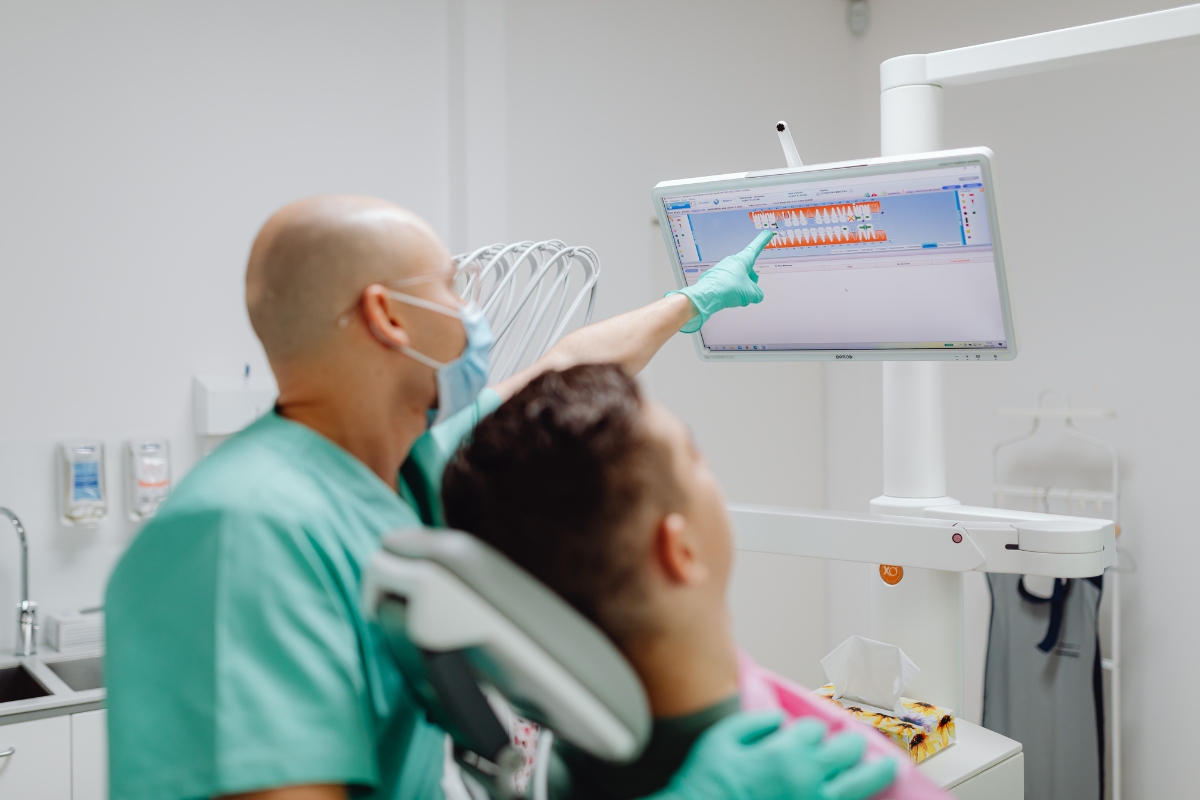
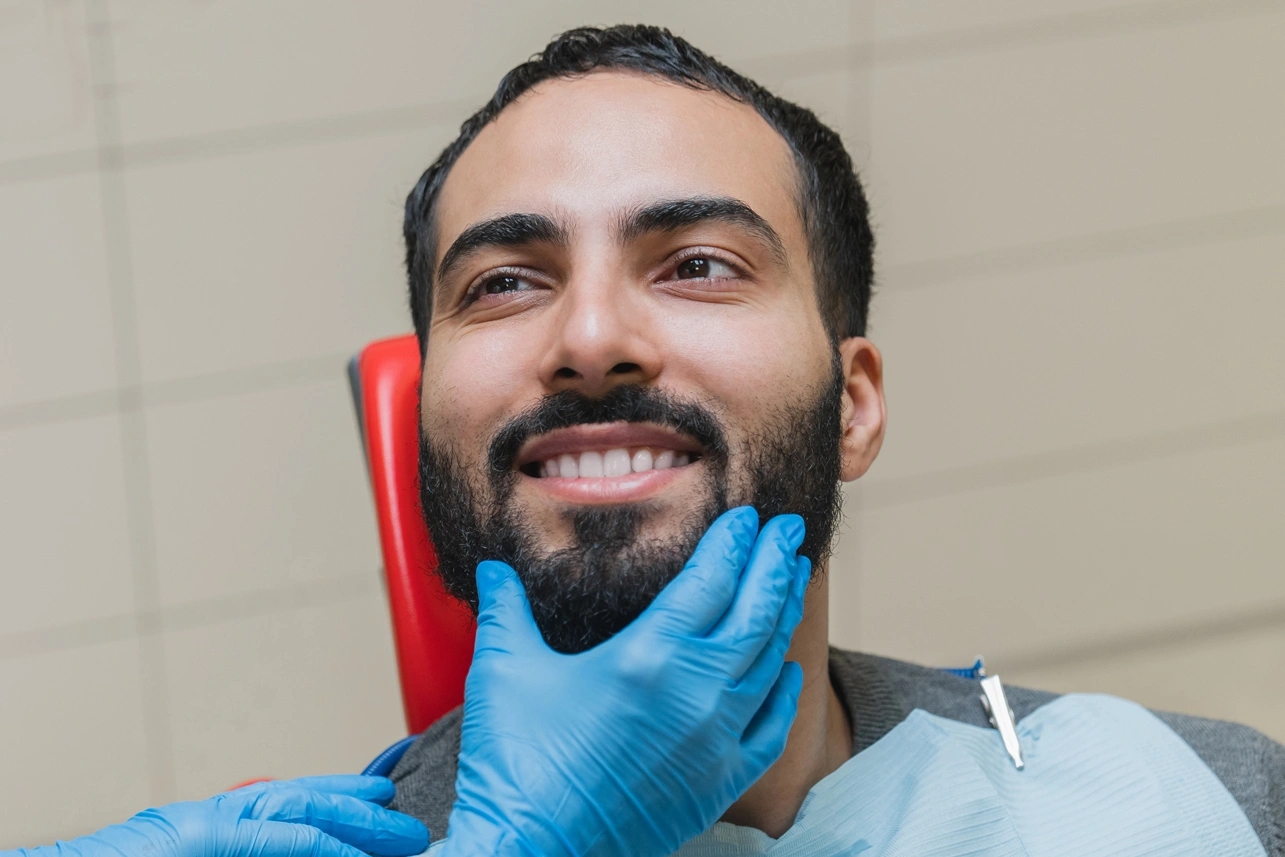
During an oral cancer screening, your dentist will look for signs of cancer in your mouth, tongue, and throat. They will also feel for lumps or other abnormalities. If they find anything suspicious, they may recommend further testing.
There are a few things you can do to reduce your risk of oral cancer:
-Don’t use tobacco products
-Limit your alcohol consumption
-Eat a healthy diet
-Protect your lips from the sun with sunscreen or a lip balm with SPF
-See your dentist or doctor regularly for checkups
Oral Cancer Screenings
- According to the Oral Cancer Foundation, more than 48,000 people in the United States will be diagnosed with oral or oropharyngeal cancer this year. Of those, only about 58% will still be alive in five years.
- But there’s good news: oral cancer is one of the most preventable cancers. And it’s also one of the most curable when caught early.
- That’s why regular oral cancer screenings are so important – especially if you smoke or use tobacco products, have a family history of cancer, or are over 40.
- During an oral cancer screening, your dentist or hygienist will look for any signs of trouble, including red or white patches in your mouth, ulcers that don’t heal, and unusual lumps or swellings.
- They may refer you to an oral surgeon for a biopsy if anything looks suspicious. This is a quick and painless procedure where a small tissue sample is taken from the area in question and analyzed for cancerous cells.
- The earlier oral cancer is caught, the better your chances are for successful treatment. So don’t wait – schedule an appointment with your dentist today.
Treatment For Oral Cancer
If you are diagnosed with oral cancer, your treatment will depend on the cancer stage and the location in your mouth. Treatment options include surgery, radiation therapy, and chemotherapy.
Surgery is the most common treatment for oral cancer. Surgery aims to remove the cancerous tissue while preserving as much healthy tissue as possible. The type of surgery you have will depend on the size and location of the tumor. Radiation therapy uses high-energy beams to kill cancer cells. It can be used alone or in combination with surgery. Chemotherapy uses drugs to kill cancer cells. It can be used alone or in combination with surgery or radiation therapy.
Your doctor will develop a treatment plan that is right for you based on the stage of your cancer, its location, and your overall health.
Early detection of oral cancer is the key to successful treatment and survival. We encourage everyone, especially those at high risk for oral cancer, to get their screening done as soon as possible. Knowing your risks and taking proactive steps toward preventing or catching any issues early can help you stay healthy for years to come. Don’t wait until it’s too late—get an oral cancer screening today!