Hearing that you need a dental crown can feel unexpected — even alarming. Many Richmond patients wonder if the recommendation is truly necessary. The good news is that when your dentist recommends a crown, there is almost always a clear clinical reason behind it. Understanding that reason helps you make a confident, informed decision about your oral health.
At Inspire Smiles in Richmond, TX, Dr. Marcus Rhodes takes the time to explain every treatment recommendation. This article breaks down exactly why a crown may be the right solution for your specific situation — and why acting sooner rather than later matters.
What Is a Dental Crown and What Does It Do?
A dental crown is a tooth-shaped cap that fits over a damaged or weakened tooth. It restores the tooth’s shape, size, strength, and appearance. Crowns are custom-made to match your natural teeth as closely as possible.
Unlike a filling, which repairs a small portion of a tooth, a crown covers the entire visible surface. This makes it the preferred solution when a tooth has suffered significant structural damage. Crowns protect the remaining tooth structure from further breakdown.
Most crowns are made from porcelain, ceramic, or porcelain fused to metal. Modern materials are durable and look completely natural. With proper care, a well-placed crown can last 10 to 15 years or more.
Clinical Reasons Your Dentist May Recommend a Crown in Richmond
There are several specific situations where a crown becomes clinically necessary. Each one involves real structural risk to the tooth. Ignoring these conditions typically leads to pain, infection, or tooth loss.
Here are the most common reasons Dr. Marcus Rhodes recommends a crown:
- Cracked tooth syndrome: A crack that extends deep into the tooth structure causes pain when chewing. A crown holds the tooth together and prevents the crack from spreading.
- Large or failing fillings: When a filling is too large or has broken down, the remaining tooth structure cannot support a new filling. A crown distributes bite forces evenly and protects what remains.
- Post-root-canal treatment: After a root canal, the tooth becomes brittle and prone to fracture. A crown seals and strengthens it so it can function like a healthy tooth.
- Broken or fractured cusp: A broken cusp leaves the inner layers of the tooth exposed. This creates sensitivity, risk of infection, and ongoing structural failure without a crown.
- Severe decay: When decay is too extensive for a filling to address, a crown restores full function and prevents extraction.
Each of these situations represents a genuine threat to the long-term health of your tooth. A crown addresses the root cause of the problem directly.
Why Delaying a Crown Can Make Things Worse
It is tempting to wait and see if the tooth gets better on its own. Unfortunately, dental problems do not resolve without treatment. A cracked tooth will continue to crack. A failing filling will continue to break down.
Delaying a crown recommendation often leads to more serious consequences. The tooth may fracture to the point where extraction is the only option. Infection can spread to surrounding teeth or bone tissue.
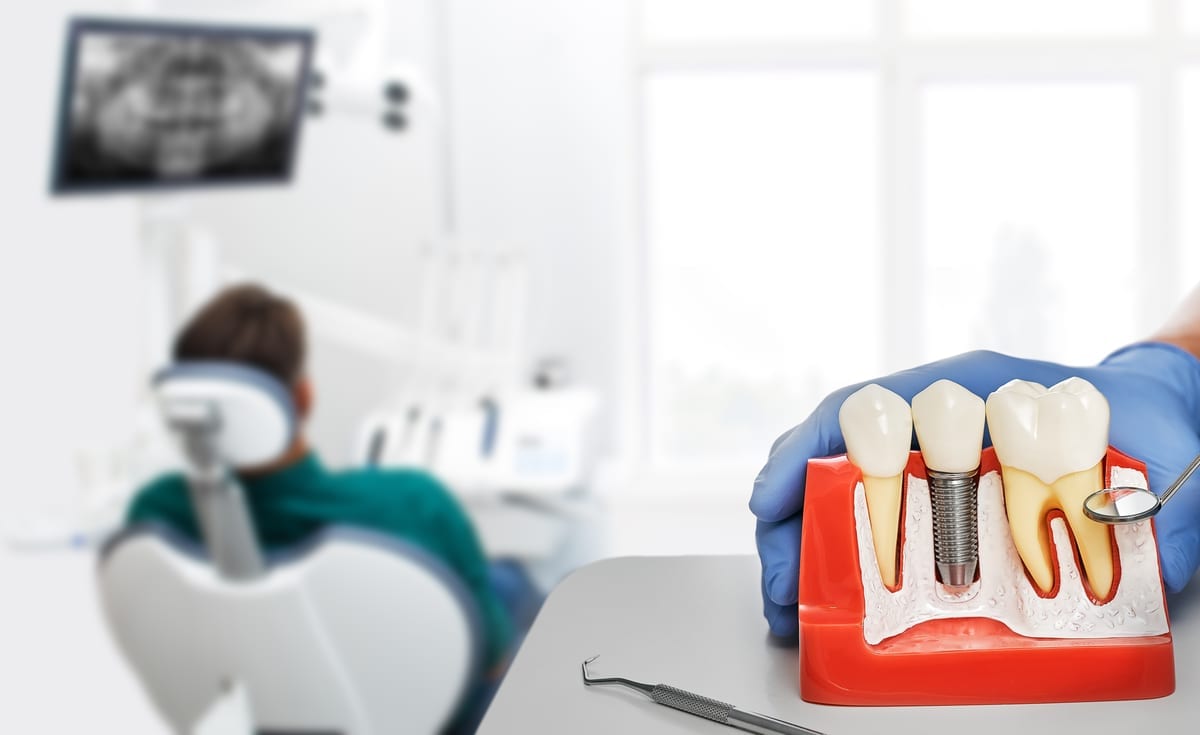
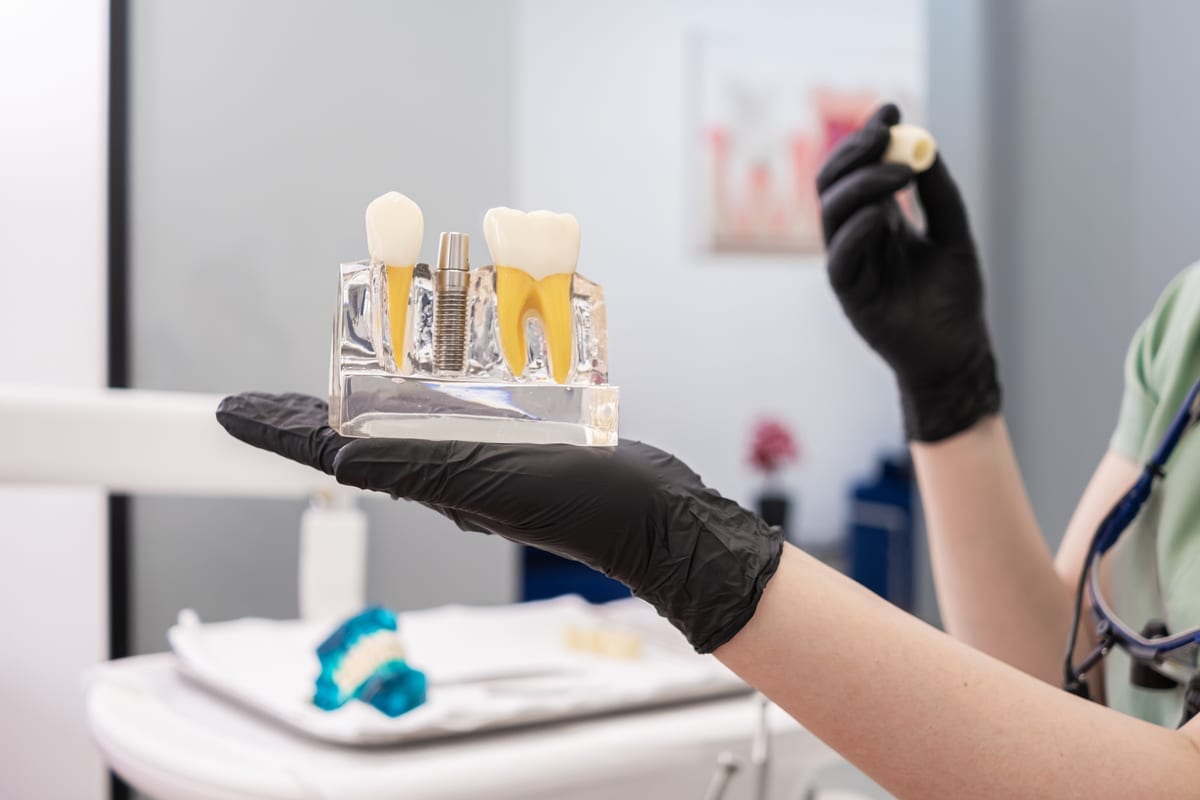
Replacing a lost tooth requires more complex treatment. Options like Dental Implants Richmond are excellent solutions, but they involve more time and more steps than saving the natural tooth with a crown. Preserving your natural tooth is always the preferred outcome when possible.
Acting promptly when your dentist recommends a crown protects your health and your long-term treatment outcomes. Think of it as early intervention rather than an elective procedure.
What to Expect During Crown Placement at Inspire Smiles
Many Richmond patients feel anxious about getting a crown. Knowing what to expect can ease that concern significantly. The process is straightforward and well-managed at Inspire Smiles.
Here is what the crown process typically involves:
- Examination and X-rays: Dr. Rhodes evaluates the tooth and confirms that a crown is the best treatment option for your situation.
- Tooth preparation: The tooth is gently reshaped to make room for the crown. A local anesthetic ensures you remain comfortable throughout this step.
- Impression or digital scan: An impression of your tooth is taken and sent to a dental lab, where your custom crown is fabricated.
- Temporary crown placement: A temporary crown protects the tooth while your permanent crown is being made.
- Permanent crown placement: At your follow-up visit, Dr. Rhodes removes the temporary and bonds your permanent crown securely in place.
For patients who feel nervous about dental procedures, Inspire Smiles offers sedation options to help you stay calm and comfortable throughout your visit. Your experience matters as much as the outcome.
Crowns and Your Family’s Long-Term Dental Health in Richmond
Dental crowns are not just for adults. Children with severely decayed or damaged baby teeth may also need crowns to preserve function until permanent teeth arrive. Early treatment protects developing teeth and jaw structure.
At Inspire Smiles, the team provides Pediatric Dentistry Richmond services for younger patients in the Richmond area. Stainless steel or tooth-colored crowns are common solutions for children when a cavity is too large for a standard filling.
Building healthy dental habits early — and addressing problems when they arise — sets the foundation for a lifetime of strong oral health. That philosophy guides every recommendation Dr. Rhodes makes for patients of all ages.
Whether you are an adult protecting a cracked molar or a parent managing your child’s dental needs, understanding why a crown is recommended helps you feel confident in moving forward.
Conclusion: Trust the Recommendation — and Take the Next Step
When your dentist says you need a crown, it is not a suggestion made lightly. There is a clinical reason behind every recommendation. Cracked teeth, failing fillings, post-root-canal protection, and broken cusps are all legitimate structural problems that crowns are specifically designed to solve.
Dr. Marcus Rhodes and the Inspire Smiles team in Richmond, TX are committed to helping you understand your oral health — not just treating it. You deserve clear answers and compassionate care at every appointment.
Do not wait for a small problem to become a larger one. Book Now to schedule your appointment with our team.
Frequently Asked Questions
How do I know if I really need a crown or just a filling?
Your dentist determines this based on how much healthy tooth structure remains and the extent of the damage. If more than half the tooth is affected by decay or fracture, a filling cannot provide enough structural support. A crown is recommended when the tooth needs full coverage to function safely and prevent further breakdown.
Does getting a crown hurt?
The procedure is performed under local anesthesia, so you should not feel pain during treatment. Some mild sensitivity or soreness around the area is normal for a few days afterward. At Inspire Smiles, sedation options are also available for patients who experience dental anxiety.
How long does a dental crown last?
Most crowns last between 10 and 15 years with proper care. Good oral hygiene, regular professional cleanings, and avoiding habits like grinding or chewing hard objects all help extend the life of your crown. Dr. Rhodes will monitor your crown at routine checkups to catch any issues early.
What happens if I ignore a cracked tooth and skip the crown?
A cracked tooth will not heal on its own. Without a crown, the crack can deepen, eventually splitting the tooth or allowing bacteria to reach the inner pulp. This can lead to infection, the need for a root canal, or complete tooth loss. Early treatment is always the better outcome.
Can children get dental crowns?
Yes. Children with severely decayed or damaged baby teeth may receive stainless steel or tooth-colored crowns to preserve the tooth until the permanent tooth comes in. Protecting baby teeth is important for proper chewing, speech development, and guiding permanent teeth into the correct position.