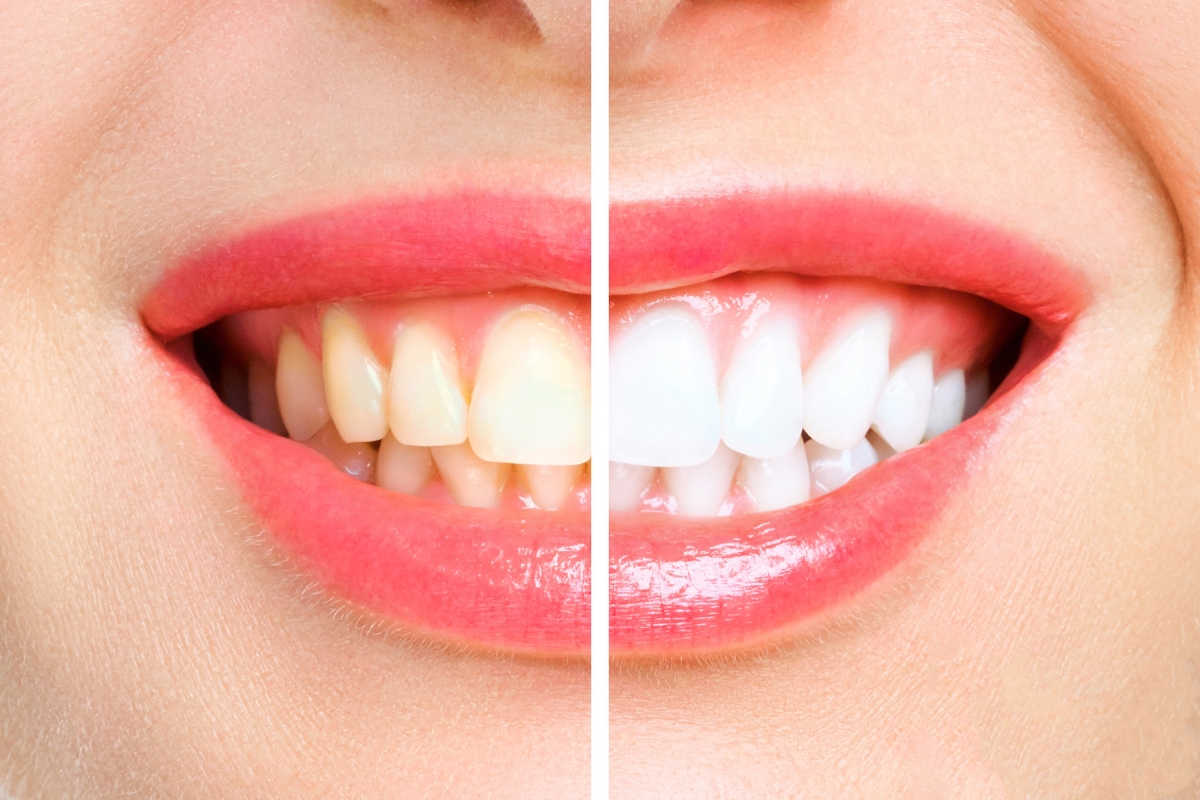
Bright, white teeth can instantly boost your confidence and give you a radiant smile. If you’ve recently undergone teeth whitening treatment, congratulations! You’re on your way to achieving that perfect pearly smile. However, it’s important to be mindful of what you eat immediately after the procedure to maintain those stunning results. In this blog post, we’ll explore six foods that should be avoided after teeth whitening and provide some delicious alternatives that are safe to indulge in. So grab a seat and let’s dive into the world of post-whitening food choices!
Foods to avoid after teeth whitening
- After investing time and money into teeth whitening treatment, it’s important to protect your newly brightened smile. To ensure long-lasting results, there are certain foods that should be avoided immediately after the procedure.
- First on the list are dark-coloured beverages such as coffee, tea, and red wine. These drinks contain strong pigments that can stain your teeth and undo all the hard work you’ve put into achieving a dazzling smile. Opt for lighter-coloured alternatives like herbal teas or infused water to quench your thirst without compromising your results.
- Next up are acidic fruits like lemons and oranges. While they may be packed with vitamin C, their high acidity levels can weaken tooth enamel, making them more susceptible to staining. Instead of indulging in these citrusy treats right after whitening, try incorporating them into meals where they’re not directly in contact with your teeth.
- We all love a good chocolate bar or sticky caramel treat from time to time, but it’s best to steer clear of these sweets temporarily post-whitening. Sticky candies can easily stick to the surface of your teeth and attract stains over time. If you crave something sweet after whitening, reach for sugar-free options or enjoy fresh fruits instead.
- Another food group to avoid is heavily pigmented sauces such as tomato sauce, soy sauce, or balsamic vinegar dressing. These sauces have intense colours that can seep into porous enamel and cause discolouration over time. Opt for lighter-coloured condiments like mayonnaise-based dressings or light olive oil instead.
- Beware of highly acidic carbonated beverages such as soda pop or energy drinks. Not only do these fizzy drinks contribute to tooth decay due to their high sugar content but they also erode tooth enamel which leaves them vulnerable to stains.
Foods that are safe to eat after teeth whitening
- After undergoing teeth whitening treatment, it’s important to be mindful of the foods you consume. While there are certain foods that should be avoided, there are also plenty of options that are safe and won’t compromise your newly brightened smile.
- One category of foods that can generally be considered safe to eat after teeth whitening is fruits and vegetables. These natural, nutrient-rich options not only provide essential vitamins and minerals but also help keep your teeth clean. Apples, carrots, celery, and strawberries are particularly beneficial as they contain high levels of fibre which help stimulate saliva production for a naturally cleansing effect.
- Dairy products such as milk, yoghurt, and cheese can also be enjoyed without worry after teeth whitening. In fact, consuming dairy products has been shown to strengthen tooth enamel due to their calcium content. Just opt for low-sugar varieties when possible.
- Lean proteins like chicken or fish are another great option post-whitening. Not only do they provide necessary nutrients for overall oral health but chewing on these lean meats can even help remove any surface stains from your teeth.
- Don’t forget about water! This simple yet vital beverage is always a safe choice after dental treatments like teeth whitening. Drinking water throughout the day helps rinse away food particles and neutralizes acid in the mouth.
Foods to eat after teeth whitening
- After undergoing a teeth whitening treatment, it’s important to be mindful of the foods you consume to maintain your bright smile. Luckily, there are plenty of delicious options that won’t stain or damage your newly whitened teeth.
- Opt for crunchy fruits and vegetables like apples and celery. Not only are they packed with vitamins and fibre, but their crisp texture can also help remove surface stains from your teeth as you chew. Plus, the increased saliva production while eating these foods can aid in the natural cleansing process.
- Lean proteins such as chicken and fish are another great choice. They provide essential nutrients without compromising your white smile. Additionally, dairy products like yogurt and cheese contain calcium which helps strengthen tooth enamel.
- If you have a sweet tooth, don’t worry! You can still satisfy your cravings with sugar-free treats like dark chocolate or sugar-free gum. These alternatives will not only keep you satiated but also reduce the risk of staining caused by sugary snacks.
- Don’t forget about beverages! Opt for water or unsweetened herbal tea instead of coffee or red wine which can easily stain your teeth. Green tea is particularly beneficial due to its antioxidants that promote oral health.
- Post-teeth whitening care involves being cautious about what we eat. By choosing nutritious options such as crunchy fruits and veggies, lean proteins, and sugar-free treats, and avoiding staining beverages like coffee and red wine; we can ensure our pearly whites stay dazzling for longer!
Foods to avoid if you’re pregnant
When it comes to pregnancy, your diet plays a crucial role in the health and development of your baby. While there are many foods that are safe and beneficial during this time, there are also some that should be avoided. Here are a few foods that you should steer clear of if you’re pregnant.
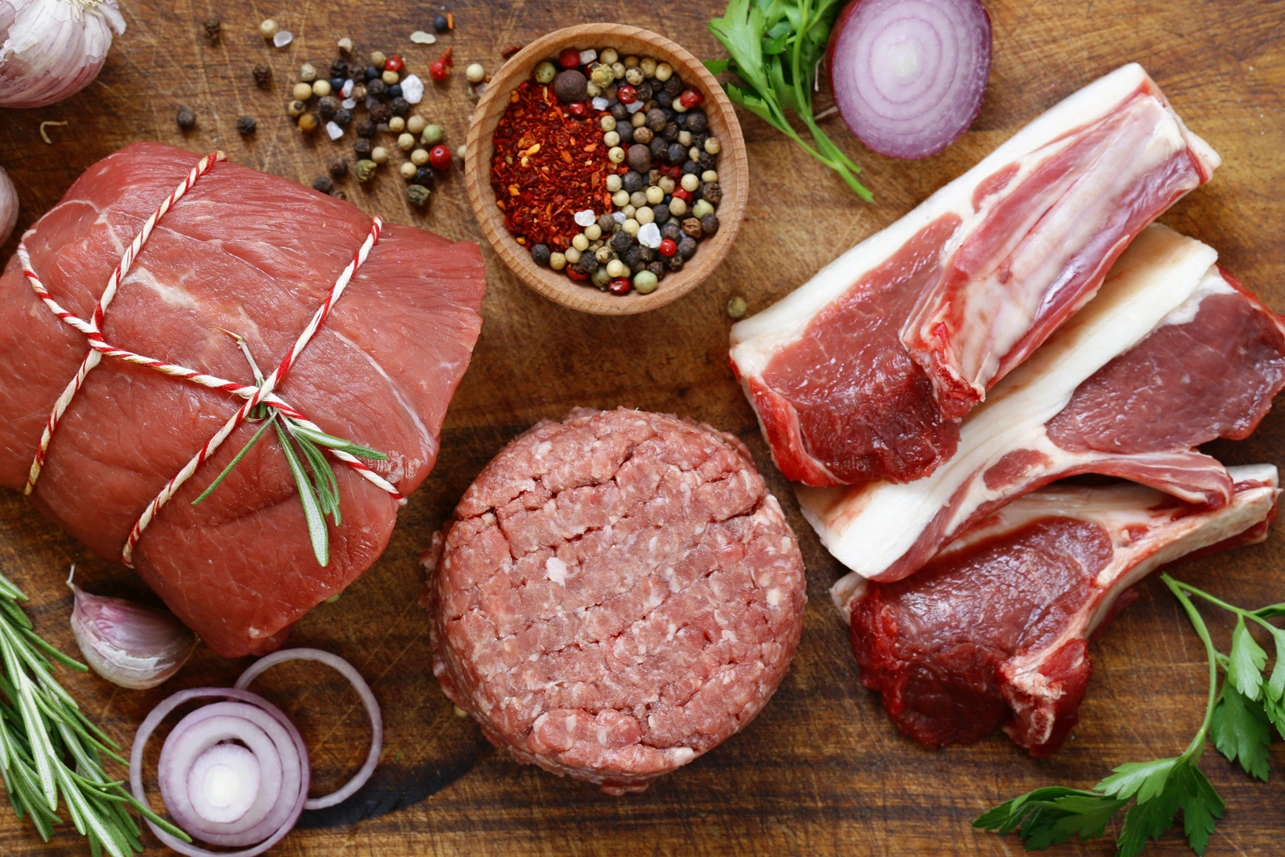
1. Raw or undercooked meats: These can harbour harmful bacteria such as salmonella or listeria, which can pose a risk to both you and your baby. It’s important to ensure that all meats are cooked thoroughly before consumption.
2. Certain fish: Some types of fish contain high levels of mercury, which can negatively impact the developing nervous system of your unborn baby. Avoid consuming shark, swordfish, king mackerel, and tilefish during pregnancy.
3. Unpasteurized dairy products: These products may contain bacteria like Listeria monocytogenes which can lead to foodborne illnesses such as listeriosis. Opt for pasteurized dairy products instead.
4. Raw eggs: Raw eggs have the potential to carry salmonella bacteria, so it’s best to avoid them during pregnancy. This means steering clear of dishes like homemade Caesar dressing or uncooked cookie dough.
5 . Caffeine: High levels of caffeine intake have been linked with an increased risk of miscarriage and preterm birth. It’s advisable for pregnant women to limit their caffeine consumption from sources such as coffee, tea, soda or energy drinks.
Remember that every pregnancy is unique and it’s always best to consult with your healthcare provider about any dietary concerns you may have while expecting!
Foods to avoid if you have a medical condition
- It is important to note that while teeth whitening can help enhance your smile, it is essential to take proper care of your oral health afterwards. This includes being mindful of the foods you consume, especially if you have a medical condition.
- If you suffer from acid reflux or gastroesophageal reflux disease (GERD), it is best to avoid acidic and spicy foods after teeth whitening. These can further irritate the already sensitive tissues in your mouth and may cause discomfort.
- For individuals with diabetes, it is crucial to be cautious about consuming sugary foods and drinks. Maintaining stable blood sugar levels is vital for overall health, including dental health. Opt for healthier alternatives like fresh fruits or unsweetened beverages.
- Those with celiac disease should steer clear of gluten-containing foods such as bread, pasta, and baked goods that could potentially aggravate their condition.
- Individuals who have recently undergone oral surgery or have certain medical conditions like temporomandibular joint disorder (TMJ) should avoid hard and chewy foods that require excessive jaw movement. Stick to softer options until fully healed.
- The key takeaway here is to choose food wisely after teeth whitening – opting for non-staining options that won’t compromise your newly brightened smile. Remember that maintaining good oral hygiene practices along with a healthy diet will contribute not only to the longevity of your results but also to overall dental wellness. So go ahead and enjoy your dazzling smile!