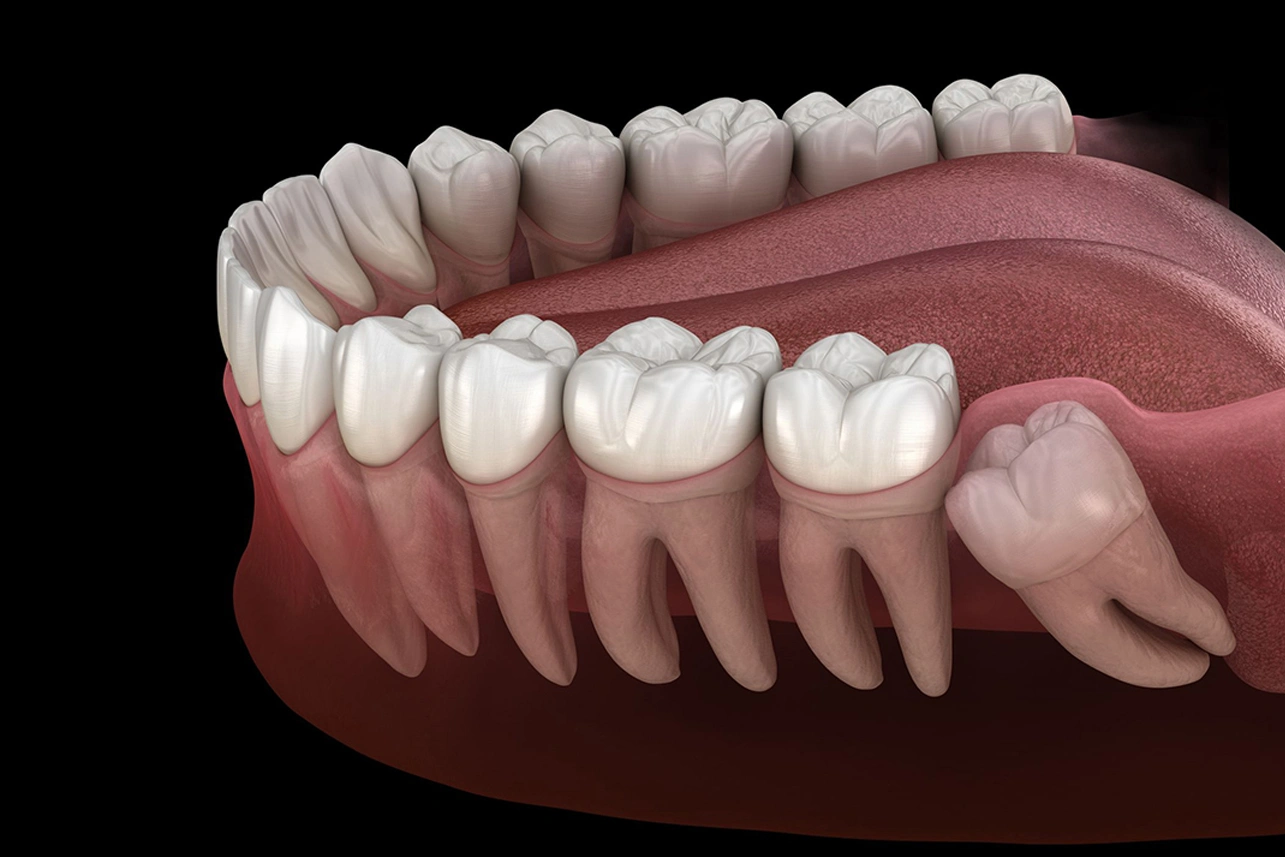

Tooth extractions can feel daunting, but knowing what to expect can make the process smoother. After a tooth extraction process, you might wonder about your favorite habits, like sipping coffee.
While many of us can’t imagine starting the day without that warm cup, your recovery is the priority. Understanding how coffee affects your healing can help you make the best choices during this time.
In this blog, we’ll explore everything you need to know about drinking coffee after a tooth extraction. From how it impacts your recovery to when you can safely indulge again, we’ll cover it all. We’ll also suggest alternatives to keep your mornings enjoyable and highlight signs that may require you to reach out to your dentist.
Let’s dive in and ensure your recovery is as smooth and comfortable as possible, so you can get back to enjoying your favorite beverages without worry!
Why Diet Matters After Tooth Extraction?
Your diet plays a crucial role in how well and how quickly you heal after a tooth extraction. Eating the right foods can reduce inflammation, promote healing, and prevent complications. Conversely, certain foods and beverages can hinder recovery and lead to discomfort.
- Avoid Hard or Crunchy Foods: Stick to soft foods that won’t irritate the extraction site.
- Limit Sugary and Acidic Foods: These can increase the risk of infection and discomfort.
- Stay Hydrated: Drink plenty of water to support your body’s healing process.
- Avoid Straws: The suction can dislodge blood clots, leading to a painful condition called dry socket.
Understanding these dietary restrictions can help you recover smoothly after your tooth extraction.
The Effects of Coffee on Recovery
Many coffee lovers fear they may have to sacrifice their morning brew after a tooth extraction. Unfortunately, coffee can negatively impact your recovery in several ways:
- Caffeine Effects: Caffeine can constrict blood vessels, potentially slowing blood flow to the extraction site. This may delay healing.
- Increased Bleeding Risk: Consuming hot beverages can cause blood vessels to expand, increasing the risk of bleeding.
- Acidity: Coffee is acidic, which can irritate your gums and extraction site, leading to discomfort.
Keeping these points in mind will help you make an informed decision about when to enjoy your favorite caffeinated drink.
When Is It Safe to Drink Coffee After Extraction?
Knowing when it’s safe to reintroduce coffee into your diet is essential for a smooth recovery. Here are some factors to consider:
- Follow Your Dentist’s Advice: Always prioritize the instructions given by your dentist.
- Listen to Your Body: If you feel pain or discomfort after having coffee, it’s best to wait longer before trying again.
- General Timeline: Many can resume drinking coffee about 48 to 72 hours after the extraction, but this can vary based on individual healing.
Keep these factors in mind as you decide when to indulge in your favorite cup of coffee again.
Alternative Beverages to Consider
While you might have to put coffee on hold, there are plenty of soothing alternatives to enjoy during your recovery. Consider these options:
- Herbal Teas: Caffeine-free herbal teas, such as chamomile or peppermint, can provide comfort and hydration.
- Smoothies: Blended fruits and vegetables can be delicious and easy to consume without irritating your extraction site.
- Bone Broth: Nutrient-rich and soothing, bone broth can help support your recovery while being gentle on your gums.
These alternatives will keep you refreshed and satisfied as you heal.
When to Contact Your Dentist?
Monitoring your recovery is crucial to ensure no complications arise after your tooth extraction. Here are some signs that you should contact your dentist:
- Severe Pain: If your pain intensifies instead of improving, it may indicate a problem.
- Swelling or Redness: Noticeable swelling or redness around the extraction site could suggest an infection.
- Difficulty Opening Your Mouth: This may indicate complications that require professional attention.
- Follow-Up Appointments: Attend all scheduled follow-up visits to ensure everything is healing properly.
Staying vigilant can help you avoid further issues and ensure a smooth recovery from your extraction. If you notice any concerns, reach out to your Richmond dentists for assistance.
Recovering from a tooth extraction requires careful attention to your diet, especially regarding coffee. By opting for soothing alternatives and following your dentist’s guidance, you can ensure a smooth healing process. Remember, the right choices now will lead to a faster recovery and a healthier smile in the long run. If you experience any unusual symptoms, don’t hesitate to reach out to your dental professional. Your comfort and well-being matter, so take care of yourself during this time!