Dental Implants: A Complete Guide to Restoring Your Smile
Dental Implants are one of the most effective solutions for replacing missing teeth. They look, feel, and function like natural teeth. Many people choose implants over other tooth replacement options. At Inspire Smiles – Richmond Dentist, our dental team is committed to helping you understand every aspect of this treatment. This guide covers how implants work, their benefits, the placement process, and how to care for them long-term.
What Are Dental Implants?
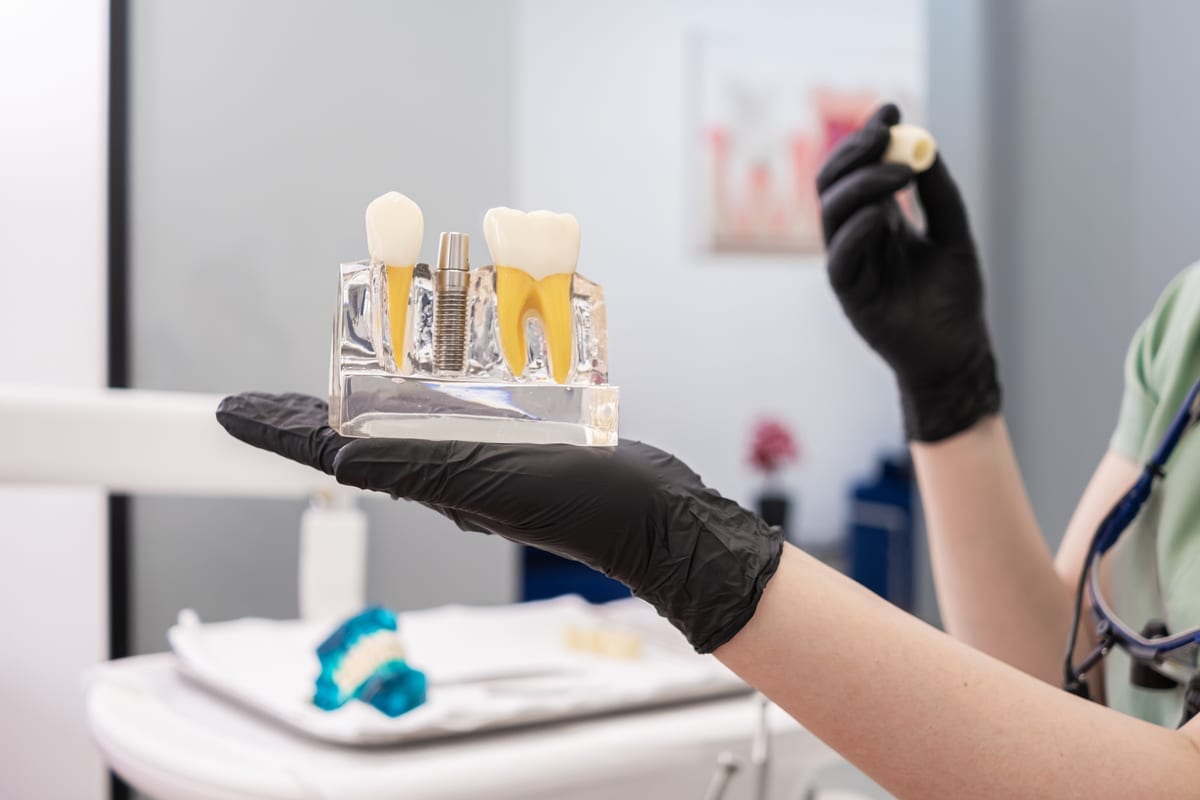
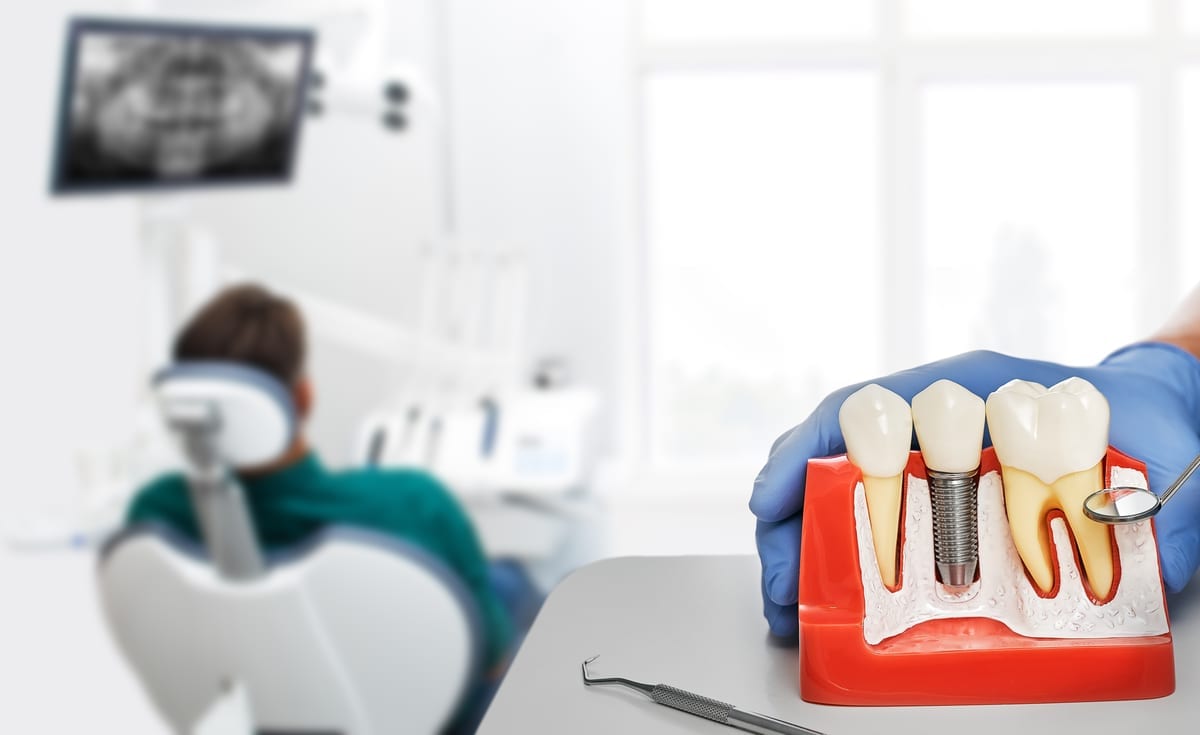
A dental implant is a small titanium post. It is surgically placed into the jawbone to replace a missing tooth root. Over time, the implant fuses with the bone through a process called osseointegration. This creates a strong and stable foundation. A dental crown is then attached on top to complete the restoration. The result closely mimics the structure and appearance of a natural tooth.
Implants are different from dentures or dental bridges. They do not rely on neighboring teeth for support. They stand independently within the jaw. This makes them a highly durable and long-lasting solution. With proper care, dental implants can last for decades. They are considered the gold standard in modern tooth replacement.
Who Is a Good Candidate for Dental Implants?
Not everyone is immediately eligible for implants. A good candidate generally has healthy gums and sufficient jawbone density. The bone must be strong enough to support the implant post. Adults who have finished growing are typically the right age group. Our dental team conducts a thorough evaluation before recommending this treatment.
Certain health conditions may affect eligibility. Uncontrolled diabetes or autoimmune disorders can slow healing. Heavy smoking can also interfere with osseointegration. In some cases, a bone graft may be needed first. This builds up jawbone volume before implant placement. Our team will assess your specific situation and explain all available options clearly.
The Dental Implants Placement Process
The implant process takes place over several appointments. It begins with a comprehensive consultation and imaging. X-rays and sometimes 3D scans are used to assess the bone. A personalized treatment plan is then created for each patient. This ensures precision and the best possible outcome.
During the surgical phase, the titanium post is placed into the jawbone. Local anesthesia is used to ensure comfort throughout. A healing period of several months follows. This allows osseointegration to occur naturally. Once the implant has fully integrated, an abutment is attached. Finally, a custom-made crown is placed on top. The entire process requires patience but delivers exceptional results.
Benefits of Choosing Dental Implants
There are many compelling reasons to consider implants. First, they preserve jawbone structure. When a tooth is lost, the bone beneath it can shrink over time. Implants stimulate the bone just like natural roots do. This prevents bone loss and maintains facial structure. No other tooth replacement option offers this benefit as effectively.
Second, implants improve daily function significantly. Eating, speaking, and smiling become natural again. There are no removable parts to worry about. They do not slip or shift the way dentures sometimes can. Third, they are easy to care for. You brush and floss them just like real teeth. Explore our full range of dental services to see how implants fit into your overall oral health plan.
Caring for Your Dental Implants
Good oral hygiene is essential after receiving implants. Brush at least twice daily using a soft-bristled toothbrush. Floss around the implant daily to remove plaque buildup. Using an antibacterial mouthwash can also help protect the surrounding gum tissue. These habits keep both the implant and natural teeth healthy.
Regular dental checkups are equally important. Our dental team monitors the implant, surrounding bone, and gum health. Professional cleanings remove buildup that brushing cannot reach. Avoid habits like chewing ice or hard candy. These can damage the crown attached to the implant. With consistent care, your implant can last a lifetime. Learn more about our approach by visiting our About page.
How Dental Implants Compare to Other Tooth Replacement Options
Many patients consider bridges or dentures before choosing implants. Each option has its own advantages and limitations. Dental bridges are fixed and look natural. However, they require filing down healthy adjacent teeth. This can weaken those teeth over time. Bridges also do not prevent bone loss beneath the gap.
Dentures are removable and more affordable upfront. However, they can feel less stable during eating and speaking. They also need periodic adjustments as the jawbone changes shape. Dental implants avoid both of these drawbacks. They preserve bone, require no modification of surrounding teeth, and feel completely natural. For many patients, implants offer the best long-term value and quality of life.
What to Expect During Recovery
Recovery after implant surgery is usually manageable. Mild swelling, bruising, and discomfort are common in the first few days. Over-the-counter pain relief is often sufficient. Our dental team provides detailed aftercare instructions following surgery. Following these instructions carefully supports faster healing.
Soft foods are recommended during the initial healing phase. Avoid hard, crunchy, or very hot foods temporarily. Most patients return to normal activities within a day or two. The full osseointegration process takes three to six months. This phase is critical for long-term implant success. Patience during this period leads to a stable and permanent result.
Whether you are missing one tooth or several, implants can transform your oral health and confidence. Our dental team at Inspire Smiles – Richmond Dentist is here to guide you every step of the way. We believe in empowering patients with clear, honest information. Learn More about how we can help you.
Frequently Asked Questions
How long do dental implants last?
With proper care and regular dental visits, dental implants can last 20 years or more. Many patients keep their implants for a lifetime. The crown on top may need replacement after 10 to 15 years due to normal wear.
Is the dental implant procedure painful?
The procedure is performed under local anesthesia, so most patients feel little to no pain during surgery. Some soreness and swelling are normal in the days following placement. This discomfort is typically mild and manageable with standard pain relief.
How many appointments are needed for dental implants?
The process generally requires multiple appointments over several months. These include the initial consultation, the surgical placement, a healing period, and the final crown attachment. The exact timeline varies depending on each patient’s unique needs and healing rate.
Can dental implants fail?
Implant failure is uncommon but possible. Risk factors include poor oral hygiene, smoking, certain health conditions, and insufficient bone density. Following your dental team’s aftercare instructions greatly reduces the risk of complications. Regular checkups also help catch any issues early.
Are dental implants suitable for teenagers?
Dental implants are generally not recommended for teenagers. The jawbone must be fully developed before implant placement. Most dental professionals recommend waiting until the patient is in their late teens or early twenties. A thorough evaluation helps determine the right timing for each individual.