Losing a tooth feels like a small problem at first. Many Richmond residents think they can wait before replacing it. But understanding why delaying your dental bridge could cost you more in Richmond changes that perspective quickly. At Inspire Smiles, Dr. Marcus Rhodes helps patients see the full picture before small issues become expensive ones.
What Happens to Your Mouth After Tooth Loss
Your teeth depend on each other for support. When one goes missing, the neighboring teeth begin to shift toward the empty space. This movement happens gradually, so most patients don’t notice it right away.
As teeth drift, your bite alignment changes. A misaligned bite puts extra stress on your jaw joints and remaining teeth. Over time, this can cause headaches, jaw soreness, and uneven enamel wear.
Below the gumline, bone loss begins almost immediately after tooth loss. Your jawbone needs the stimulation of a tooth root to stay healthy. Without that stimulation, bone density decreases — and that makes future treatments more complex and costly.
Why Delaying Your Dental Bridge in Richmond Increases Long-Term Costs
Waiting to replace a missing tooth rarely saves money. In fact, it almost always leads to higher treatment costs down the road. Here is why that happens for Richmond patients specifically.
As neighboring teeth shift and bone recedes, simple bridge placement becomes harder. Your dentist may need to address alignment issues or bone grafting first. These additional steps add both time and expense to your care plan.
Shifting teeth can also create new gaps between other teeth. Those gaps trap food and bacteria, increasing your risk of decay and gum disease. Treating cavities or gum infections on top of your original tooth loss multiplies the complexity of your situation.
- Bone loss can disqualify you from simpler implant-supported options later
- Shifting teeth may require orthodontic correction before bridge placement
- New decay on anchor teeth can compromise bridge candidacy
- Gum disease from food trapping raises treatment costs significantly
- Emergency interventions tend to cost far more than planned restorative care
How a Dental Bridge Actually Works
A dental bridge is a fixed restoration that spans the gap left by a missing tooth. It anchors to the healthy teeth on either side of the gap, called abutment teeth. A custom-crafted artificial tooth sits in between, restoring both function and appearance.
Dr. Marcus Rhodes typically completes a bridge over two appointments. During the first visit, he prepares the abutment teeth and takes precise impressions. A dental lab crafts your bridge to match your natural tooth color and shape.
At your second appointment, Dr. Rhodes bonds the finished bridge permanently into place. The result feels natural and functions like your original teeth. Patients at Inspire Smiles in Richmond often remark on how comfortable and seamless the final restoration feels.
If you have children who also need restorative guidance, explore Pediatric Dentistry Richmond services to keep the whole family’s smiles healthy.
Signs You Should Not Wait Any Longer
Some patients hesitate because they feel no pain near the gap. Pain is not always a reliable indicator of damage, though. Bone loss and tooth shifting happen silently over months and years.
There are clear signs that action is overdue. Recognizing these early protects your oral health and keeps treatment costs manageable.
- Visible shifting or tilting of teeth near the gap
- Difficulty chewing on the side with the missing tooth
- Changes in your bite or jaw soreness when chewing
- Increased sensitivity in teeth adjacent to the gap
- Gum tissue changes or recession near the empty space
If you notice any of these signs, schedule an evaluation with Dr. Rhodes as soon as possible. Early intervention consistently produces better outcomes and lower overall costs for Richmond patients.
Dental Bridges vs. Other Replacement Options
Patients sometimes ask whether a dental bridge is the right choice compared to other options. The answer depends on your bone density, budget timeline, and overall oral health. Understanding the differences helps you make a confident decision.
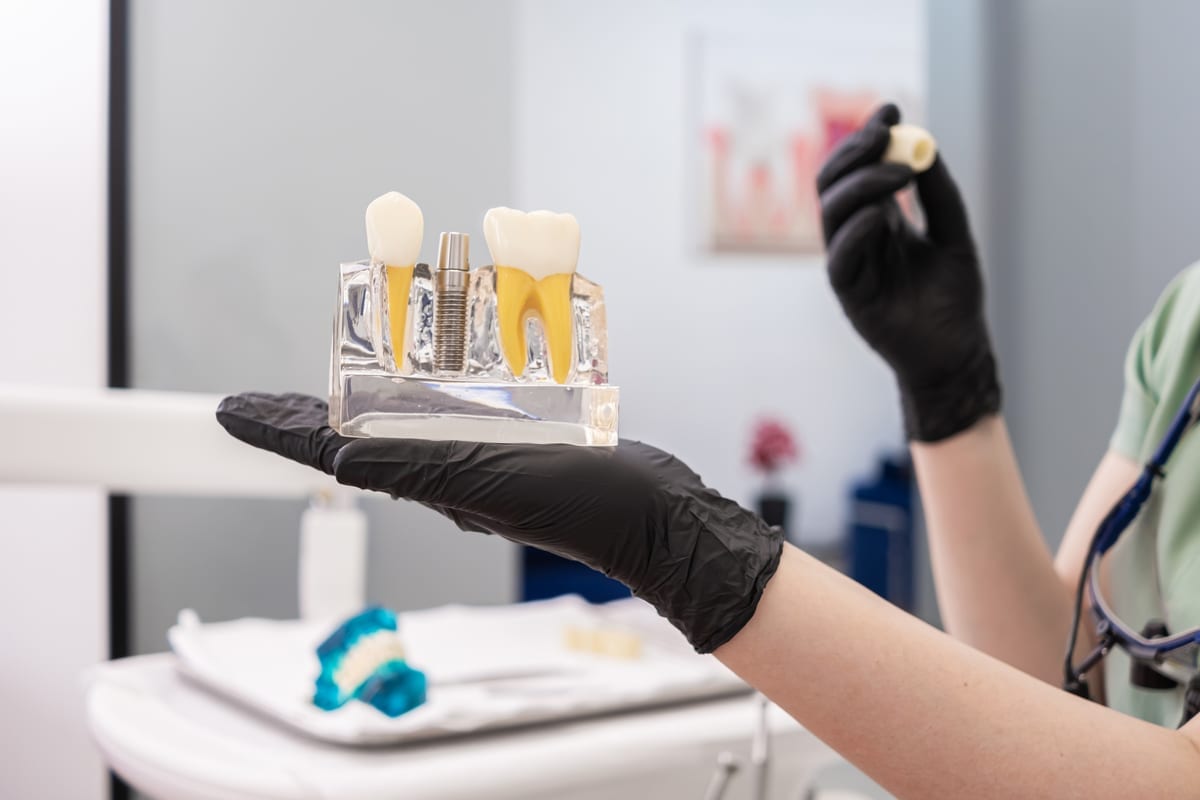
Dental implants are often the gold standard for tooth replacement. They integrate with your jawbone and preserve bone density long-term. However, they require sufficient existing bone, which is exactly what you lose when you delay treatment.
A bridge does not require surgery or a healing period. It is an excellent solution for patients who want a durable, fixed restoration without implant surgery. The anchor teeth, called abutments, do require Dental Crowns Richmond as part of the bridge structure.
Removable partial dentures are another option, but they do not stop bone loss. They also require removal for cleaning and can feel less stable than fixed restorations. For most patients, a bridge or implant offers a significantly better daily experience.
Why Richmond Patients Choose Inspire Smiles for Dental Bridges
Dr. Marcus Rhodes brings a thorough, patient-focused approach to every restorative case. He takes time to explain your options clearly so you understand exactly what each step involves. Patients leave consultations feeling informed and confident, not pressured.
The Inspire Smiles team in Richmond uses modern materials and techniques to create bridges that look and feel natural. Comfort during treatment is a priority at every stage of the process. Many patients are surprised by how smooth and straightforward the experience is.
Addressing tooth loss promptly is one of the most protective decisions you can make for your long-term oral health. The longer you wait, the more complex and costly your path to a complete smile becomes.
Ready to take the next step toward a healthier smile? Book Now to schedule your appointment with our team.
Frequently Asked Questions
How soon after tooth loss should I get a dental bridge?
Ideally, you should begin the bridge process within a few months of losing a tooth. This timeline helps minimize bone loss and prevents neighboring teeth from shifting significantly. Dr. Rhodes can evaluate your specific situation and recommend the best timing during a consultation at Inspire Smiles in Richmond.
Does getting a dental bridge hurt?
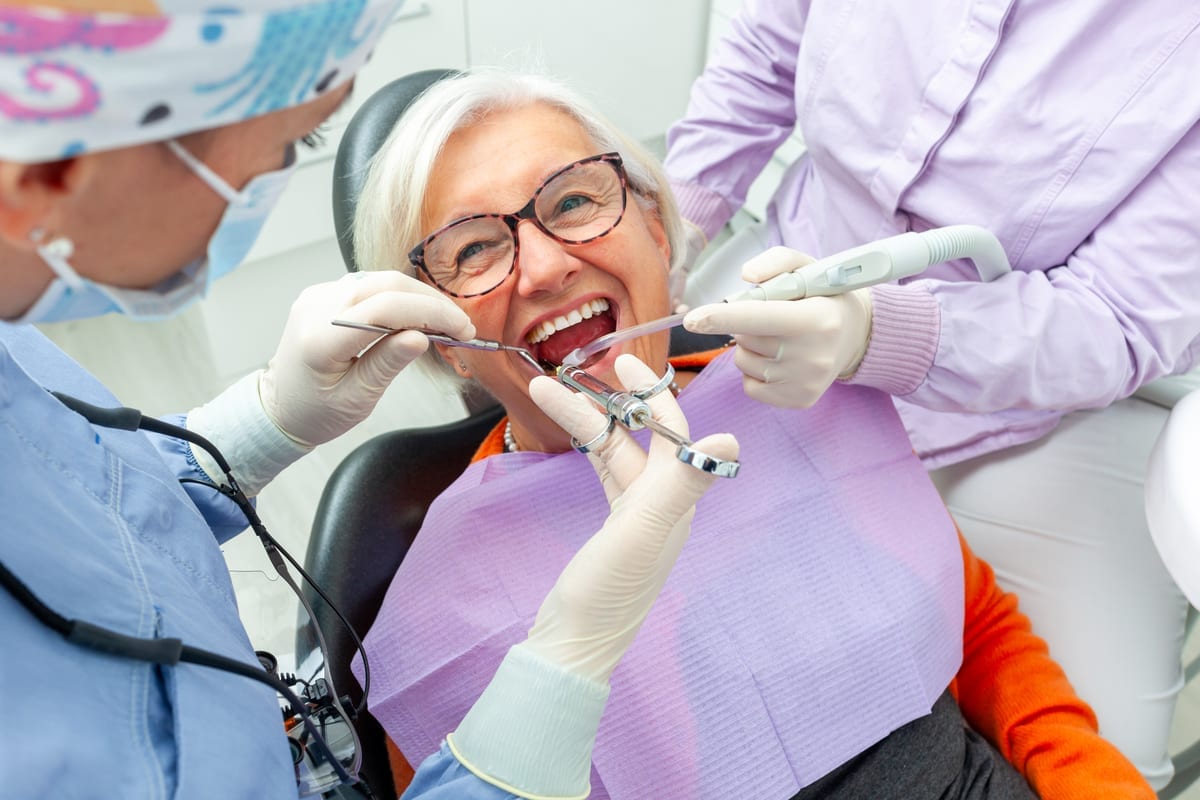
Most patients experience minimal discomfort during bridge placement. Dr. Rhodes uses local anesthesia to keep the process comfortable, and sedation options are available for anxious patients. Some mild sensitivity after each appointment is normal and typically resolves within a few days.
How long does a dental bridge last?
With proper care, a dental bridge can last 10 to 15 years or longer. Good oral hygiene, regular professional cleanings, and avoiding habits like grinding your teeth all extend the life of your bridge. Dr. Rhodes will provide specific care instructions tailored to your restoration.
Can I eat normally with a dental bridge?
Yes, a dental bridge restores normal chewing function for most foods. Once your bridge is fully bonded and you have adjusted to it, you should be able to eat comfortably. Dr. Rhodes may recommend avoiding extremely hard or sticky foods to protect the restoration long-term.
What happens if I never replace a missing tooth?
Leaving a gap untreated leads to progressive bone loss, shifting teeth, bite problems, and increased decay risk. Over time, these complications make tooth replacement more difficult and expensive. Addressing the gap with a bridge sooner preserves your oral health and keeps future treatment options open.