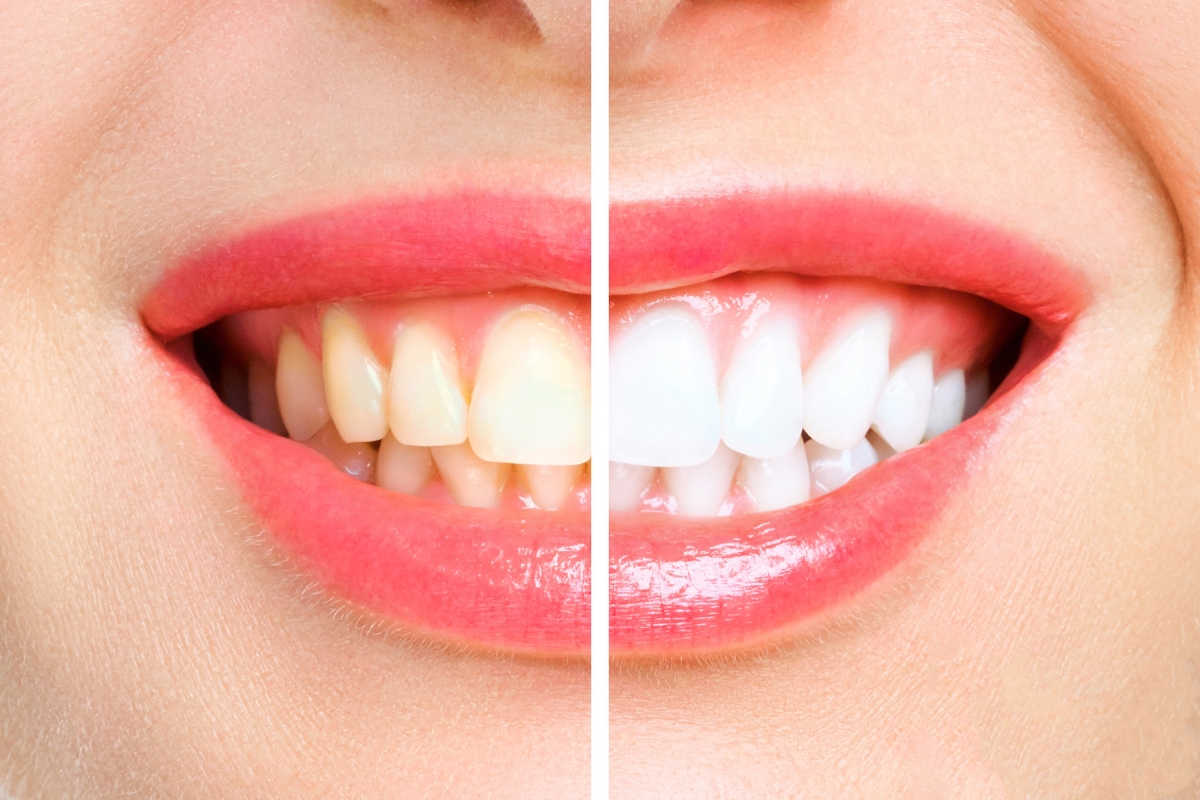

A bright, white smile is something many of us desire, and for good reason. A sparkling smile boosts confidence and leaves a lasting impression. If you’ve ever found yourself wondering how to achieve that perfect, radiant smile, you’re not alone.
Teeth whitening has become one of the most popular cosmetic treatments, with countless options available for everyone. Whether it’s removing stubborn coffee stains or brightening a naturally dull smile, the good news is that whitening your teeth is easier than ever before.
But how do you choose the best method?
With so many whitening options out there, it can be overwhelming to know what works and what doesn’t.
Should you opt for professional treatments at the dentist’s office or try out one of the many at-home solutions?
Don’t worry—this guide will break it all down for you, exploring the top whitening methods, their benefits, and tips to maintain your dazzling smile. Let’s get started and find the best way to brighten your smile, no matter your budget or time constraints!
Understanding the Causes of Tooth Discoloration
Tooth discoloration can happen for various reasons, and knowing what causes it is key to choosing the right whitening method. Some of the most common causes of tooth discoloration include aging, staining foods (like coffee and wine), smoking, and poor oral hygiene. Over time, these factors can lead to either extrinsic or intrinsic stains.
- Extrinsic stains: These occur on the outer layer of the tooth (the enamel) and are usually caused by foods, drinks, or smoking. These stains are easier to remove with surface-level whitening.
- Intrinsic stains: These stains occur deeper within the tooth, often from aging, medication, or trauma. They are more challenging to remove and may require stronger treatments.
Understanding the cause of discoloration helps in selecting the most effective whitening method, ensuring that you get the best results for your specific needs.
Professional Teeth Whitening: A Quick and Effective Solution
Professional teeth whitening treatments at your dentist’s office offer fast, effective results and are tailored to suit your specific needs. Common options include in-office bleaching and laser whitening, which use stronger agents than over-the-counter products.
- In-office bleaching: This method typically involves applying a strong bleaching gel to your teeth, activated by a special light. The results are instant and noticeable after just one session.
- Laser whitening: A laser is used to activate the bleaching gel, speeding up the whitening process. This method is ideal for stubborn stains that are hard to remove with standard treatments.
Professional whitening treatments offer several advantages over at-home options:
- Faster results: The whitening effects are visible almost immediately.
- Tailored to your needs: The dentist can assess your teeth and adjust the treatment for the best outcome.
- Stronger whitening agents: These ensure more noticeable results without the risk of enamel damage.
At-Home Teeth Whitening: Effective and Convenient Options
For those seeking a more convenient or affordable option, at-home teeth whitening products can provide effective results. Common choices include over-the-counter products like whitening strips, gels, and trays, as well as natural remedies like activated charcoal and baking soda.
- Whitening strips and gels: These products are easy to use and provide gradual results. While they are effective, they may take longer to show visible improvement compared to professional treatments.
- Whitening trays: These are custom-fitted trays that hold a whitening gel against the teeth. Results can take a few days to a couple of weeks, depending on the concentration of the whitening agent.
- Natural remedies: Baking soda and activated charcoal are popular choices for at-home whitening. However, they may be less effective for stubborn stains.
While these at-home options are more affordable, it’s important to use them correctly to avoid damaging enamel. Always follow the instructions and avoid overuse, as this can lead to tooth sensitivity.
DIY Natural Remedies for Teeth Whitening
For those who prefer a more natural approach to whitening, there are several home remedies that claim to help brighten your smile. While some may work to a degree, it’s important to know their limits.
- Oil pulling: Swishing coconut or sesame oil in your mouth may help remove surface stains. While it’s gentle, it won’t make a drastic change to tooth color.
- Baking soda: This common household ingredient acts as a mild abrasive that can help scrub away surface stains. However, frequent use can wear down enamel if used improperly.
- Apple cider vinegar: Some believe it can whiten teeth due to its acidic properties, but it should be used sparingly. Overuse can damage tooth enamel and cause sensitivity.
While these remedies can help remove surface stains, they’re not a substitute for professional care. Always use caution and consult your dentist before trying any new treatment.
Maintaining Your Whiter Smile: Tips and Tricks
Once you’ve achieved your whiter smile, it’s important to maintain it. Proper care and a few good habits can keep your teeth looking bright long after your treatment.
- Avoid stain-causing foods: Foods and drinks like coffee, tea, red wine, and berries can stain teeth over time. Limit your intake or brush right after consuming them.
- Use whitening toothpaste: This helps to remove surface stains and prevent new ones from forming.
- Drink through a straw: This minimizes contact between stain-causing beverages and your teeth.
- Quit smoking: Tobacco stains are one of the toughest to remove. Kicking the habit not only improves your health but also prevents yellowing.
When Should You Visit Your Dentist for Teeth Whitening?
While at-home whitening methods can be effective, there are times when visiting your dentist for professional whitening is the best option.
- Stubborn stains: If your stains don’t respond to at-home products, a professional treatment may be necessary to achieve the desired results.
- Underlying dental issues: If you have cavities, gum disease, or enamel wear, it’s important to address these issues before undergoing whitening. Your dentist can recommend the best treatment plan.
- Safe treatment: A dentist ensures the whitening process is done safely without harming your teeth or gums.
If you’re unsure about the right approach, consult your dentist to discuss the best whitening method for your teeth.
Common Myths About Teeth Whitening Debunked
There are many myths surrounding teeth whitening, which can make it hard to know what’s true and what’s not. Let’s set the record straight:
- Myth: Whitening causes tooth sensitivity. While some people may experience mild sensitivity, professional whitening treatments can minimize this risk. Sensitivity is often temporary.
- Myth: Whitening results are permanent. Teeth whitening is not a permanent solution. Over time, stains from food and drinks can accumulate, requiring touch-up treatments.
- Myth: All whitening methods are the same. There are big differences between over-the-counter products and professional treatments. Dentists use stronger agents that provide faster and longer-lasting results.
Whitening your teeth can be a game-changer for your smile and confidence. Whether you choose professional treatments, at-home options, or natural remedies, understanding the right method for your needs is crucial. Keep in mind that maintaining a white smile requires some effort, but with the right habits, you can enjoy lasting results. If you’re ready to brighten your teeth, consult with your dentist to find the best approach tailored to you. Your dazzling smile is just a step away!