
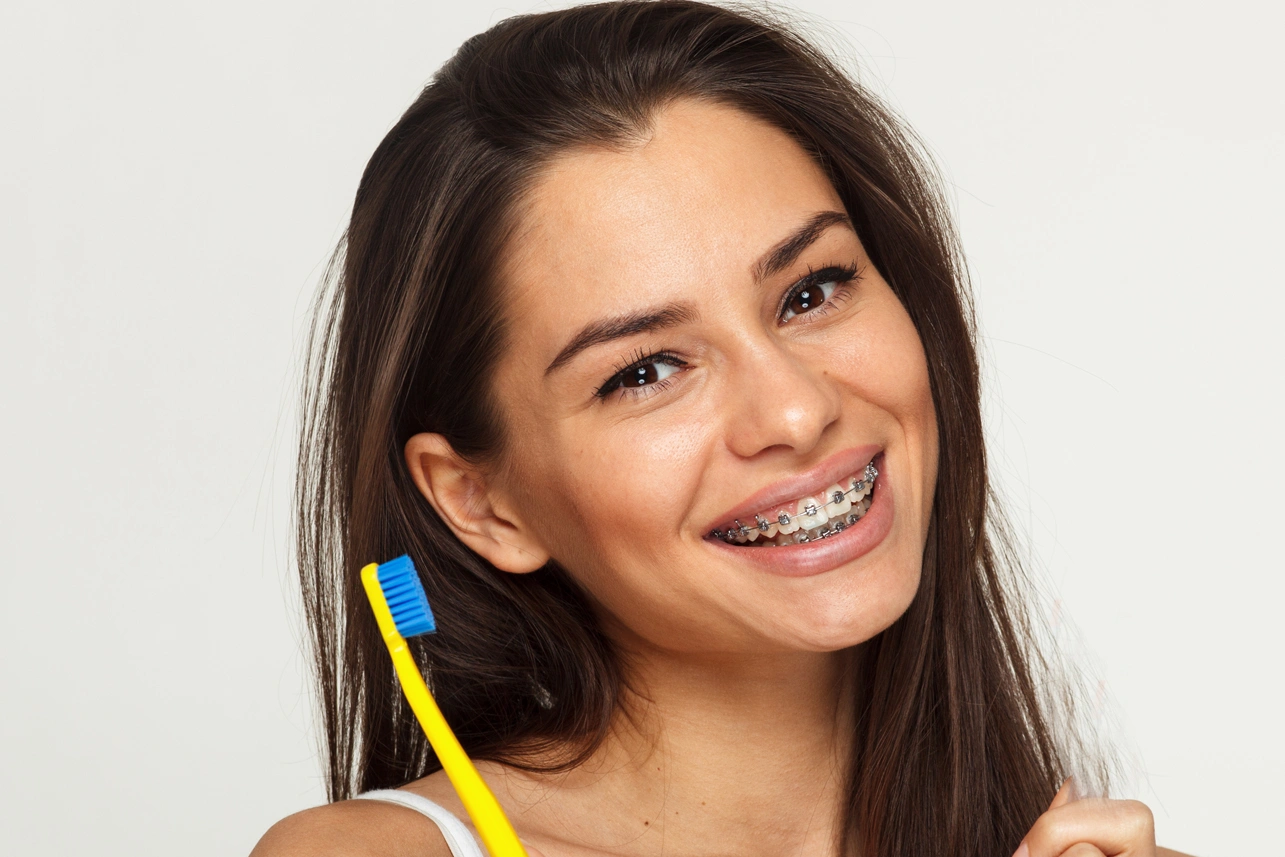
Getting braces is an exciting milestone on your journey to a perfect smile. But with braces comes a new set of oral hygiene challenges. It may seem like a daunting task to learn how to brush teeth with braces, but with the right techniques and tools, you can keep your teeth clean and your braces in top shape.
In this guide, we’ll walk you through everything you need to know about brushing with braces. From choosing the best toothbrush to mastering the art of flossing, we’ll cover it all. Whether you’re a first-time brace wearer or looking to refine your routine, you’ll find practical tips and easy-to-follow steps to make brushing with braces a breeze.
So, let’s dive into the world of effective braces care and ensure your smile stays bright and healthy throughout your orthodontic journey!
How to Brush Teeth with Braces?
The Impact of Braces on Your Oral Hygiene Routine
Braces can be a game changer for your smile, but they also bring new challenges for maintaining oral hygiene. Understanding how braces impact your brushing routine is crucial for keeping your teeth and braces in top condition.
- Effect on Brushing: Braces create more surfaces and nooks where plaque can accumulate, making thorough brushing essential. Brushing around brackets and wires requires extra care to ensure all areas are cleaned effectively.
- Common Challenges: With braces, food particles often get stuck in the wires and brackets. This can make brushing more time-consuming and difficult. The brackets can also trap plaque, leading to a higher risk of tooth decay and gum issues.
2. Mastering Brushing Techniques with Braces
Brushing with braces requires some specialized techniques to ensure your teeth and braces stay clean and healthy. Here’s a detailed guide to help you master the art of brushing with braces.
Step-by-Step Guide:
- Start by positioning your toothbrush at a 45-degree angle to your gum line. This angle helps clean the gum line and the base of the brackets effectively.
- Use a soft-bristled toothbrush to gently brush each bracket and wire. Avoid using hard-bristled brushes, as they can damage both your braces and gums.
- Make sure to brush both above and below the wires. Brushing above the wire removes plaque and food particles from the area where the wire touches the teeth.
- Don’t forget to clean the chewing surfaces of your teeth. Braces can trap food particles in these areas, so be thorough in your brushing.
Duration and Frequency:
- Brush for at least two minutes twice a day. Set a timer or use an electric toothbrush with a built-in timer to ensure you brush for the full duration.
- Brush in the morning and before bed to remove plaque and food particles that accumulate throughout the day.
- Be thorough but gentle to avoid damaging your braces or irritating your gums. Brushing too hard can lead to gum recession and discomfort.
Reaching All Areas:
- Use small, circular motions to clean around each bracket. This technique helps dislodge food particles and plaque from hard-to-reach areas.
- Pay special attention to the spaces between the brackets and your teeth. Plaque often builds up in these gaps, leading to potential decay.
- Consider using a proxabrush or an interdental brush to clean between the brackets and wires. These small brushes can reach areas that a regular toothbrush might miss.
Additional Tips:
- Check your braces frequently for any loose brackets or wires. If you find any, contact your orthodontist to have them adjusted.
- After brushing, rinse with water or a fluoride mouthwash to help remove any remaining particles and to strengthen your teeth.
- Regularly replace your toothbrush, especially if the bristles become worn. Worn bristles are less effective at cleaning around your braces.
3. Choosing the Best Toothbrush and Toothpaste for Braces
Selecting the right tools for brushing with braces can make a significant difference in your oral hygiene routine.
- Toothbrush Types: Opt for a toothbrush with soft bristles to avoid damaging your gums and braces. Consider a toothbrush with a compact head for better maneuverability around brackets. Learning how to brush your teeth with braces and maintaining the most suitable type of toothbrush can boost your oral health.
- Toothpaste Options: Use fluoride toothpaste to help strengthen enamel and prevent cavities. Toothpaste with tartar control can also help reduce plaque build-up.
- Electric Toothbrush Benefits: Electric toothbrushes can be more effective at cleaning around braces due to their consistent brushing motion and built-in timers. They can make brushing easier and more efficient.
4. Flossing Essentials: What Braces Wearers Need to Know?
Flossing becomes even more important with braces, but it requires a few adjustments to ensure you get it right.
- Importance of Flossing: Braces create spaces that are difficult to reach with a toothbrush alone. Flossing helps remove plaque and food particles from between your teeth and under the wires.
- Flossing Tools: Use orthodontic floss or floss threaders designed for braces. These tools help you navigate around the brackets and wires more easily.
- Alternative Methods: Consider using interdental brushes or water flossers if traditional flossing proves challenging. These alternatives can effectively clean between teeth and around braces.
5. Rinsing and Mouthwash: Enhancing Your Braces Care
Mouthwash can be a valuable addition to your braces care routine. Here’s how to use it effectively.
- Benefits of Mouthwash: Mouthwash helps kill bacteria, reduce plaque, and freshen breath. It can reach areas your toothbrush and floss might miss.
- Recommended Mouthwash: Use an antibacterial or fluoride mouthwash specifically designed for braces wearers. These types can help strengthen enamel and reduce the risk of cavities.
- Proper Use: Rinse with mouthwash for 30 seconds to one minute after brushing and flossing. Avoid eating or drinking immediately after to let the mouthwash work effectively.
6. Troubleshooting Common Braces Issues
Encountering issues with your braces is common, but knowing how to address them can make a big difference.
- Handling Food Particles: If food gets stuck, use a floss threader or an interdental brush to dislodge it. Avoid using sharp objects that could damage your braces.
- Sore Gums and Irritation: Rinse with warm salt water to soothe sore spots. You can also use orthodontic wax to cover any brackets or wires causing discomfort.
- When to Consult Your Orthodontist: Contact your orthodontist if you experience persistent pain, loose brackets, or broken wires. Regular teeth cleaning and check-ups can help prevent and address these issues promptly.
7. Eating Right with Braces: Dietary Tips for Optimal Care
Your diet plays a crucial role in maintaining your braces and oral health.
- Foods to Avoid: Steer clear of sticky, hard, or chewy foods that can damage your braces or get stuck in the wires. This includes candy, popcorn, and gum.
- Healthy Diet Benefits: Eating a balanced diet rich in fruits, vegetables, and dairy supports strong teeth and gums. It also helps you maintain a clean mouth.
- Eating Comfortably: Cut food into smaller, bite-sized pieces to avoid putting too much pressure on your braces. Chew slowly and carefully.
8. The Role of Regular Check-ups in Braces Care
Routine dental visits are essential for effective braces maintenance and overall oral health.
- Importance of Check-Ups: Regular visits allow your orthodontist to monitor the progress of your treatment and make necessary adjustments to your braces.
- What to Expect: During check-ups, your orthodontist will check for any issues with your braces, clean your teeth, and may adjust the wires or brackets.
- Preventing Issues: Consistent check-ups help catch and address any potential problems early, ensuring your treatment stays on track.
Brushing with braces might seem daunting, but mastering these techniques will ensure your teeth stay healthy and your braces work effectively. By following the right methods of brush teeth with braces, choosing the best tools, and maintaining a solid oral care routine, you can navigate this period with ease. Remember, consistency is key. Embrace these tips and enjoy the journey toward your perfect smile. Your dedication now will pay off with a radiant smile in the future!